
Engine timing belt tool kit shopping usually starts when you realize a “simple belt swap” can turn into a no-start, a rough idle, or worse, bent valves if timing shifts even a tooth.
If you’re wrenching at home, the right kit isn’t about looking pro, it’s about control: holding cams steady, locking a crank at TDC, and releasing or setting tension the way the engine design expects.
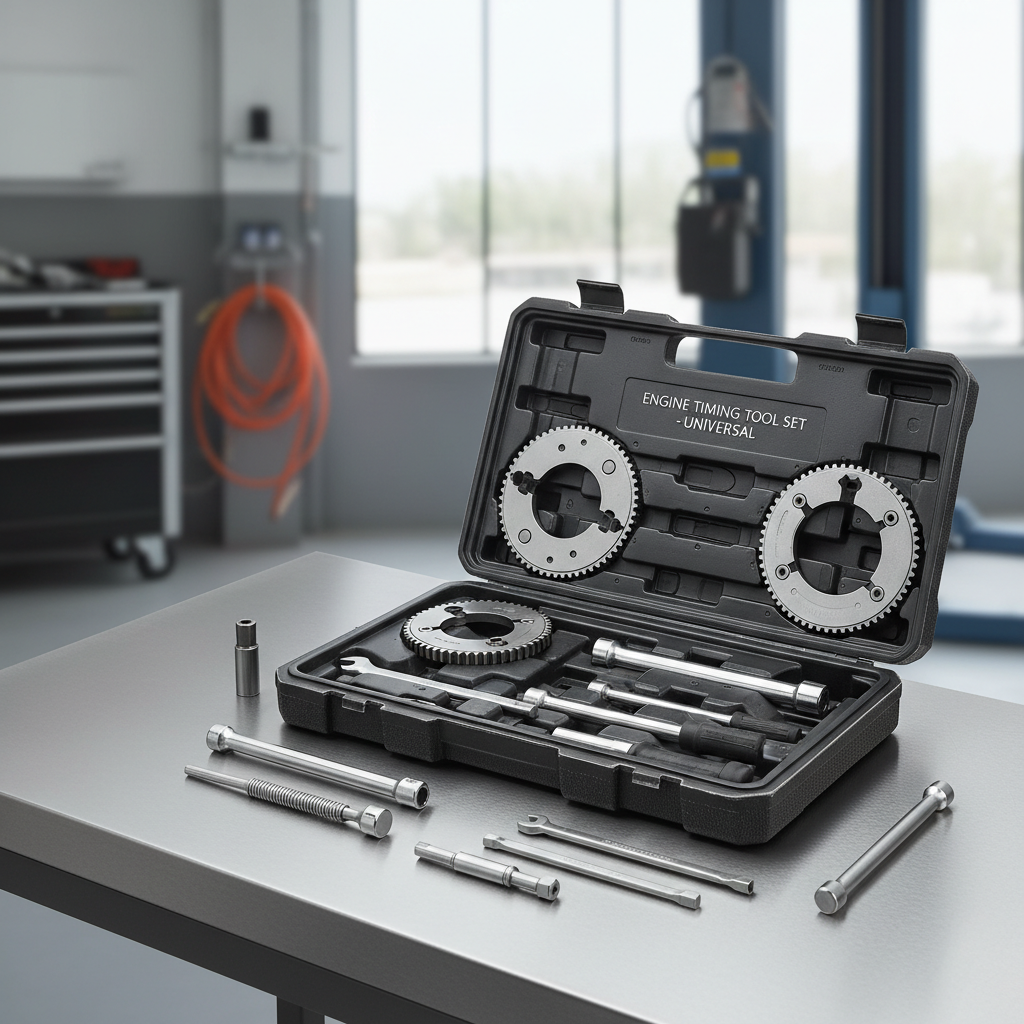
There’s also a common misunderstanding worth clearing up early: a “universal” kit can help on some engines, but many modern applications are engine-family specific, and that’s where people lose time or end up forcing the wrong pin into the wrong hole.
What an engine timing belt tool kit typically includes
An engine timing belt tool kit is really a bundle of “position control” tools. You’re not just removing parts, you’re preserving a relationship between crankshaft and camshafts while you replace wear items.
- Camshaft locking tools: plates, bars, or brackets that hold one or more cams at the correct index position.
- Crankshaft locking pin or stop: keeps the crank at TDC, or blocks rotation while you set timing.
- Tensioner tools: spanners, pins, or wrenches for mechanical, hydraulic, or eccentric tensioners.
- Counter-hold tools: help you loosen/tighten cam or crank bolts without letting shafts rotate.
- Alignment pins/adapters: small pieces that are easy to lose and often the difference between “fits” and “fights.”
Some kits also add a small puller, a crank pulley holding tool, or specialty sockets, but don’t assume those extras match your exact engine.
Why the right kit matters more than people expect
Timing belts aren’t forgiving when the engine is an interference design, which is common. Even when you get lucky and avoid valve contact, being one tooth off can still trigger misfires, rough running, or fault codes.
Many jobs go sideways for predictable reasons:
- Paint marks get trusted too much, even though old belts can stretch and marks can mislead.
- The crank moves while you’re fighting a bolt, and you don’t notice until reassembly.
- Tension is set incorrectly because the tensioner type wasn’t identified, or the tool didn’t match.
- Aftermarket kit tolerances vary, a pin that’s slightly off-size can create false “locked” confidence.
According to NHTSA (National Highway Traffic Safety Administration), vehicle maintenance and repairs should follow manufacturer procedures and safety guidance; for timing work, that generally means using correct locking points and specs rather than improvising.
Quick fit-check: do you need a universal kit or an engine-specific kit?
Before you buy anything, do a short “fit-check” using your vehicle details and the engine code. This avoids the classic mistake of buying a kit that matches the brand but not the engine family.
Use this checklist
- Engine code (not just year/make/model). Many brands have multiple engines per model year.
- Number of camshafts and whether it’s DOHC, SOHC, or has balance shafts.
- Timing method: belt vs belt + chain sections, or belt plus VVT phasers that require specific locking.
- Service manual references: look for “locking pin diameter” or special tool numbers.
- Your goal: full service (belt, tensioner, idlers, water pump) or belt-only.

If you can’t confirm the engine code or the exact locking method, that’s usually a sign to pause and verify with an OEM service source or a reputable catalog that lists tool compatibility.
How to choose a kit that won’t waste your weekend
Choosing an engine timing belt tool kit is less about “more pieces” and more about correct geometry and clear documentation. A 40-piece case that sort of fits is often worse than a small, correct set.
What to look for (practical buying criteria)
- Compatibility list that names engine families, not only vehicle makes.
- Clear tool labeling (etched part numbers or identifiers). This speeds up the job and reduces mix-ups.
- Material and finish: hardened steel for pins/plates matters when torque and vibration show up.
- Instructions or reference diagrams: even a basic sheet helps, especially if the kit supports multiple engines.
- Return policy: timing tools are fit-sensitive, returns save you when catalogs are wrong.
One more real-world filter: if reviews mention “had to grind it to fit” or “pin felt loose,” skip it. Timing work is not where you want to modify a tool.
Kit types compared (table)
Use this as a quick match to your situation. It’s not absolute, but it reflects how most DIYers and small shops decide.
| Kit type | Best for | Typical downside | When it’s a smart buy |
|---|---|---|---|
| Universal “multi-make” kit | General coverage across several common engines | Fit can be approximate; missing niche adapters | You service multiple vehicles and can verify fit per engine |
| Engine-family specific kit | One engine platform (often the cleanest workflow) | Less flexible if you switch cars | You plan to keep the car, or repeat the job (friends/fleet) |
| OEM-equivalent specialty tools | Exact match to service procedure | Higher cost, sometimes single-purpose | You want minimal guesswork on interference engines |
Practical workflow: using the tools without creating new problems
This is the part most people rush. Slow down here and you usually “buy back” the time later, because you avoid rework.
A safe, repeatable approach
- Confirm TDC correctly: use factory timing marks and the service procedure, not only paint marks from the old belt.
- Install locks gently: pins and plates should seat without force. If you’re tapping hard, you may be off position.
- Relieve tension the right way: mechanical vs hydraulic tensioners behave differently, wrong handling can cause jump timing.
- Rotate by hand after install: typically two full crank revolutions, then re-check locking alignment before you button up.
- Torque matters: cam and crank fasteners can be torque-to-yield on some engines, reusing bolts may be risky.
According to SAE International, using correct tools and following documented service procedures supports safer, more consistent repair outcomes; for timing systems, that usually translates to proper locking and torque practices.
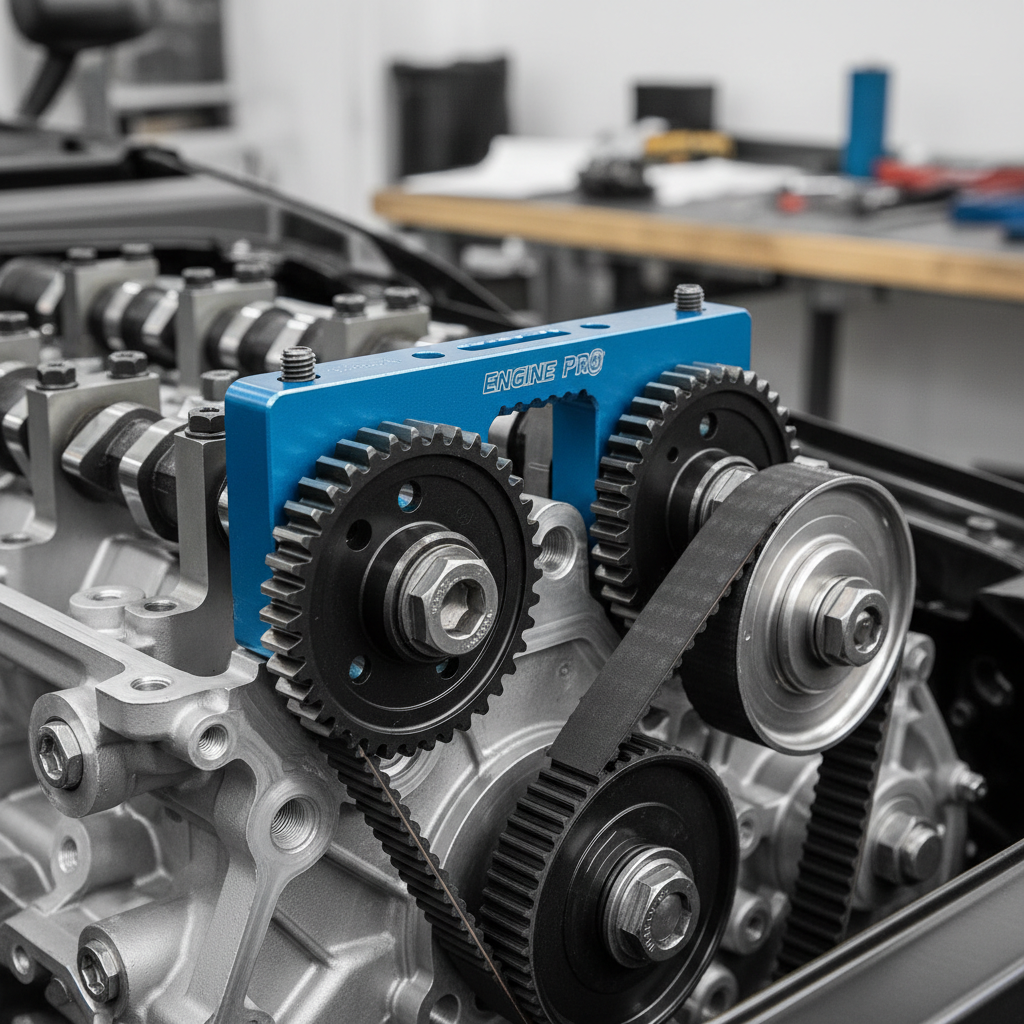
If anything feels “spring loaded” or you’re dealing with VVT actuators you don’t fully understand, it’s worth stopping to verify the procedure. Some engines require preloading phasers or locking them in a specific state.
Common mistakes that make timing jobs go longer
Most timing-belt disasters don’t happen during the belt install, they happen in the small decisions around it.
- Buying the kit before confirming the engine, then trying to make it work because the car is already torn down.
- Skipping the tensioner and idlers: a new belt on old rollers can still fail early.
- Forgetting to verify belt routing around guides and flanges, especially on tight bays.
- Not rechecking timing after torque: tightening can move components slightly if not counter-held.
- Overconfidence with “it lines up visually”: one tooth can look close until the engine runs poorly.
Key point: if the lock tools don’t fit smoothly, assume something is misaligned until proven otherwise.
When to stop and get professional help
Timing work can be DIY-friendly on some engines, but there are situations where it’s smarter and sometimes cheaper to bring in a professional.
- Interference engine with unclear marks or missing service info.
- Crank bolt removal requires special procedures (high torque, angle torque, or special holding tools).
- VVT-heavy engines where cam phaser locking and oil pressure states matter.
- Any sign of internal contact: sudden stop during hand rotation, metallic click, or abnormal compression afterward.
If you suspect valve-to-piston contact or you’re unsure about torque-to-yield fasteners, a qualified technician can verify timing with proper references and equipment.
Conclusion: the kit is a control tool, not a nice-to-have
An engine timing belt tool kit earns its keep by keeping parts from moving at the worst possible moment, and by making your final timing check something you can trust instead of something you hope is right.
If you do one thing before buying, confirm the engine code and locking method, then pick the smallest kit that matches that procedure cleanly. If you do one thing before starting the job, plan the re-check step after hand-rotating the engine.
FAQ
What’s included in an engine timing belt tool kit for most cars?
Most kits center on cam locks, a crank locking pin/stop, and one or more tensioner tools. Some add counter-hold tools or adapters, but you should verify those match your engine family.
Can I replace a timing belt without special locking tools?
Sometimes, but it depends on the engine design and how accessible the timing marks are. On many modern engines, locks reduce the risk of the crank or cams drifting while you set tension.
Are universal timing tool kits worth it?
They can be, especially if you work on multiple vehicles and you’re careful about verifying compatibility. For a single car, an engine-specific set often saves time and frustration.
How do I know if my engine is interference or non-interference?
Service literature and reputable repair databases usually note this. If you can’t confirm, it’s safer to assume interference and treat timing accuracy as critical.
Do I need to replace the water pump when doing the timing belt?
On many engines the water pump is driven by the timing belt, so replacing it “while you’re in there” can make sense. Still, it varies by engine and parts condition, so check the service guidance.
Why do my timing marks line up before install but not after rotating the engine?
Some engines use marks that align only at specific rotations, and belt tensioning can shift alignment if locks were removed too early. Re-check the correct reference points and confirm you rotated in the correct direction.
What’s the most common reason a new timing belt job runs rough?
One-tooth misalignment is a frequent cause, along with incorrect tensioner setting. A careful lock-and-verify workflow usually catches this before startup.
If you’re trying to pick a kit quickly, or you want a second set of eyes on compatibility before you order, it can help to share your year/make/model plus engine code and your timing setup, that small check often prevents buying tools you won’t actually use.