
The best fire pit poker tool set is the one you can grip confidently with heat nearby, that gives you enough reach to move logs without getting too close, and that won’t loosen, bend, or rust after a few weekends outside.
A lot of buyers focus on looks, then regret it when the “poker” is too short, the handle gets hot, or the tools feel flimsy once you’re actually managing a real wood fire. The good news, most issues are easy to avoid if you know what to check before you buy.
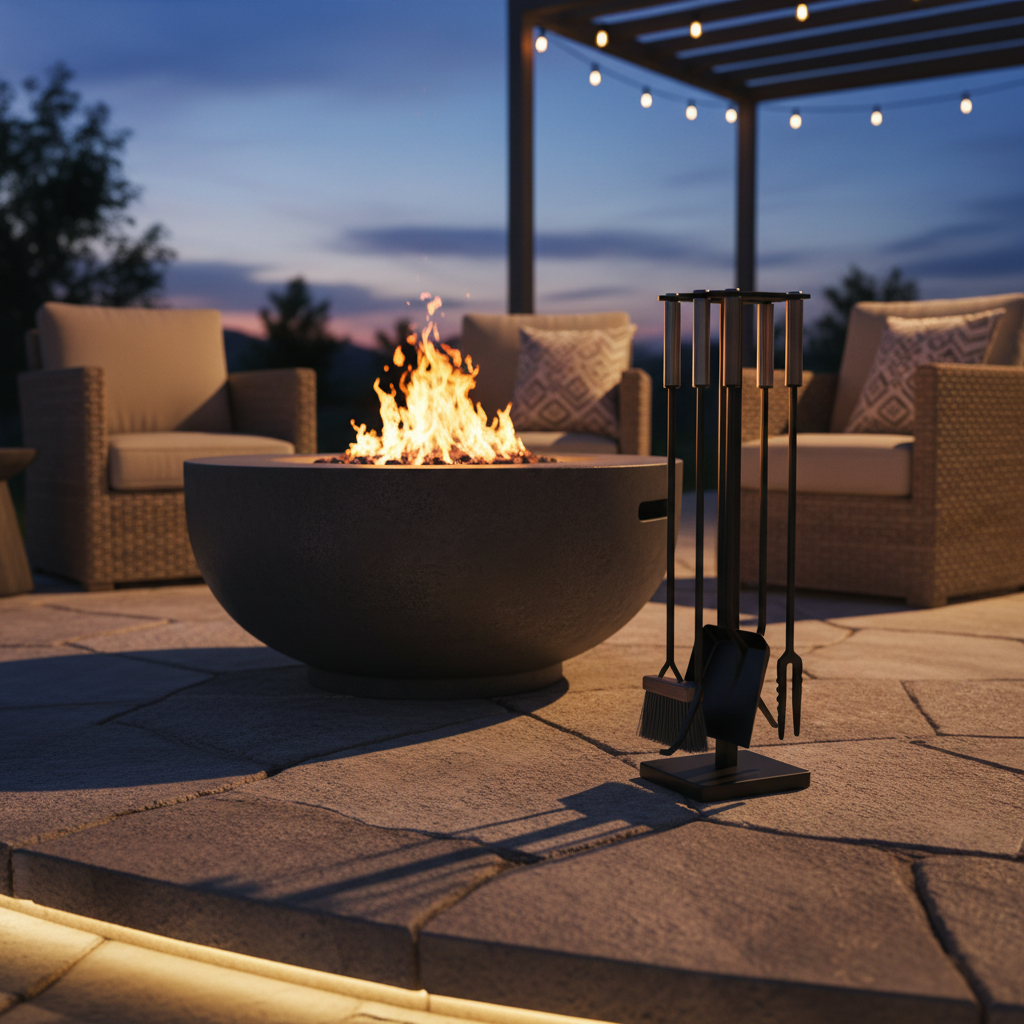
Below is a practical 2026-style buying guide: what matters, what to ignore, and how to match a set to your fire pit type and how you actually use it, not how it looks on a listing photo.
What “best” means for a fire pit poker tool set (and why it varies)
“Best” depends on your fire setup and habits. A smokeless fire pit on a small patio has different needs than a deep stone ring used for long burns with bigger logs.
- Reach: Most people underestimate how much reach feels comfortable. If you’re constantly leaning in, you’ll stop using the tool or you’ll use it unsafely.
- Control: A poker that slides off logs or a tong that can’t grab a chunk of wood is more frustrating than helpful.
- Heat management: Handles should stay usable. “Cool” is relative, but design and materials matter.
- Storage: A stand or hanger sounds optional until you’re stepping over tools or leaving them in the rain.
According to the National Fire Protection Association (NFPA), keeping a safe distance from open flames and using appropriate tools helps reduce burn and fire risks, so reach and grip are not just convenience features.
Quick comparison table: features that actually change the experience
If you’re scanning fast, use this table as your shortlist filter. It’s not about brand names, it’s about whether the set matches your use case.
| Feature | Why it matters | What to look for | Common letdown |
|---|---|---|---|
| Tool length | Comfort + safer distance | Typically 30–40 in for fire pits | Short tools (often 20–26 in) |
| Poker tip | Moves logs without slipping | Angled hook or flattened spear tip | Round tip that skates off wood |
| Tongs design | Actually grips logs | Scissor tongs with teeth, strong hinge | Loose rivet, weak bite |
| Material & finish | Rust resistance + stiffness | Powder-coated steel or stainless elements | Thin steel that flexes |
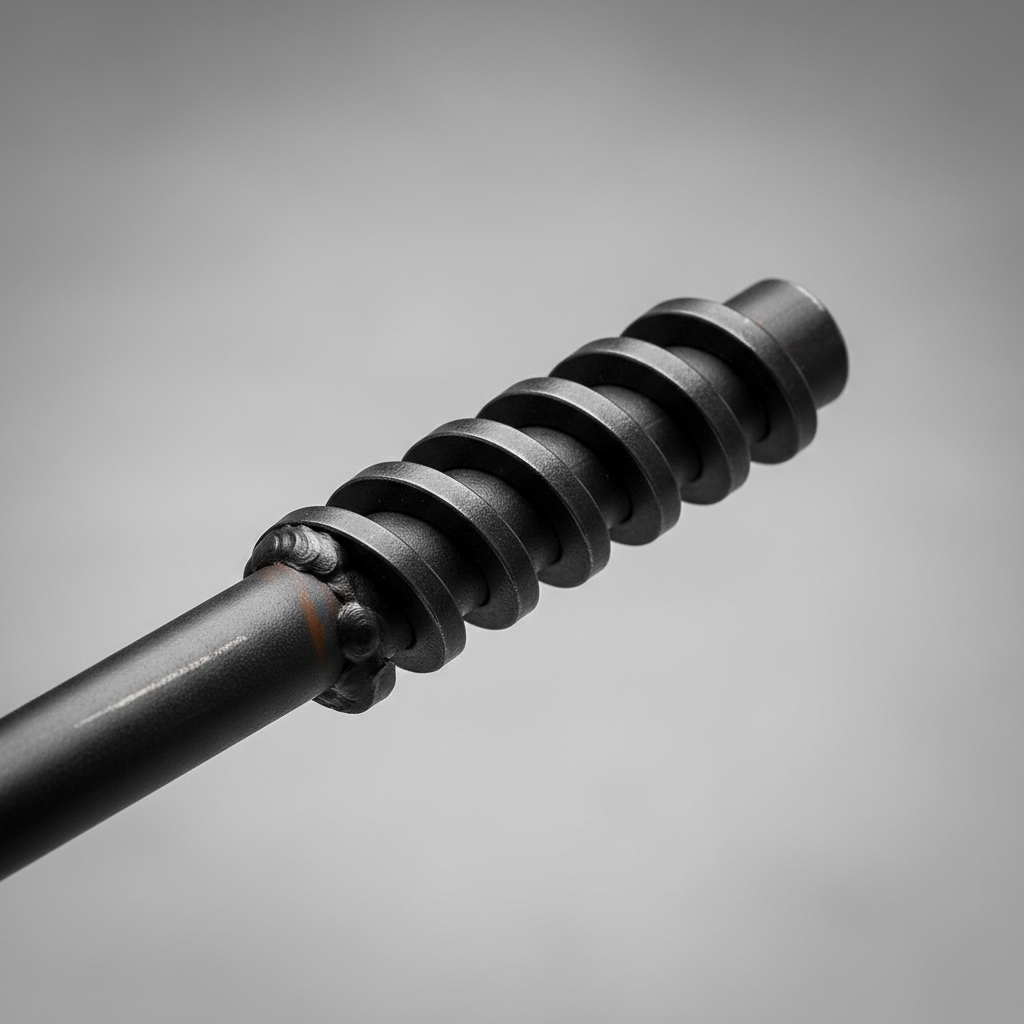
| Handle comfort | Less fatigue, better control | Spiral/coil handle, wood grip, knurling | Small smooth knob |
| Stand/storage | Keeps tools dry and ready | Weighted base, stable hooks | Wobbly stand tips over |
Materials and build quality: what usually holds up outdoors
For most backyards, the “best fire pit poker tool set” comes down to two things: steel thickness and how the joints are made. Pretty finishes don’t fix weak metal.
Here’s the quick, real-world read on common options:
- Powder-coated steel: Very common, usually a good value. It resists rust better than bare steel, but chips can happen if you bang tools around or leave them stacked.
- Stainless steel accents: Often used on tool heads or hardware. True full-stainless sets exist but can cost more and still vary in thickness.
- Cast iron: Heavy and stable, sometimes great for stands. For tools, it can be durable but can also be brittle depending on design and casting quality.
Build details worth checking in listings: welded joints that look clean, hinges on tongs that don’t look tiny, and a poker shaft that doesn’t look pencil-thin. If the photos hide the hinge, that’s often a clue.
Choosing the right tools: 3-piece vs 4-piece vs “full set”
More pieces can be helpful, but only if you’ll use them. The core tools most people reach for:
- Poker: The one tool you’ll use every fire. Prioritize length and tip shape.
- Tongs: Great for repositioning a log without rolling it unpredictably.
- Shovel/scoop: Useful if you routinely clean ash from a wood-burning pit.
Then there are “nice-to-have” tools that sometimes end up untouched:
- Broom/brush: Handy for fireplaces and some pits, less useful if you clean with a small ash shovel or shop vac rated for ash, if appropriate.
- Blow poker or bellows: Can help manage airflow, but for many setups it’s optional.
If you burn wood often, a 4-piece with a stable stand is usually the sweet spot. If you mostly use a propane fire table, you might only need a long poker for repositioning media and a small brush for debris, and even that depends on your burner design.
Fit matters: match the set to your fire pit style
This is where people buy the wrong thing. A tool set can be “high quality” and still feel wrong for your setup.
Smokeless fire pits (solo stove style, double-wall)
- Go longer than you think for the poker, because the heat column can be intense.
- Pick a hook tip that can pull wood inward without dropping it between inner walls.
- Choose handles that stay comfortable; coil grips often help.
Deep wood-burning rings (stone/steel)
- Look for a thicker shaft and tougher tongs, because you’ll move heavier pieces and stir coals.
- A scoop with a wider face makes ash management less annoying.
Chimineas and fire bowls
- Tool clearance matters; bulky tongs may not fit openings well.
- Shorter tools can work, but only if you can keep hands safely away from the opening.
According to the U.S. Consumer Product Safety Commission (CPSC), outdoor fire hazards often relate to proximity and contact with hot surfaces, so choosing a set that keeps your hands farther from heat is a practical safety upgrade, not just a comfort preference.
Self-check list: how to tell if a set is worth buying
If you want a fast way to judge product pages, use this checklist. If a set fails two or more items, keep looking unless the price is truly “temporary use” cheap.
- Poker length: Does it clearly list length, and is it appropriate for your pit size?
- Poker tip: Is there a hook or angled end visible, not just a straight rod?
- Tongs hinge: Is the hinge shown and does it look sturdy, not tiny?
- Handle design: Is there a coil, wood, or textured grip rather than a smooth ball?
- Stand stability: Does the base look wide and weighted, with hooks that won’t slide off?
- Finish clarity: Do photos show the coating evenly, without rough blobs near weld points?
- Storage reality: Do you have a covered spot, or will this sit in rain and snow?
Practical use tips: safer poking, lifting, and cleanup
Even with the best fire pit poker tool set, the “easy” part can still go sideways when a log shifts and rolls. A few habits help.
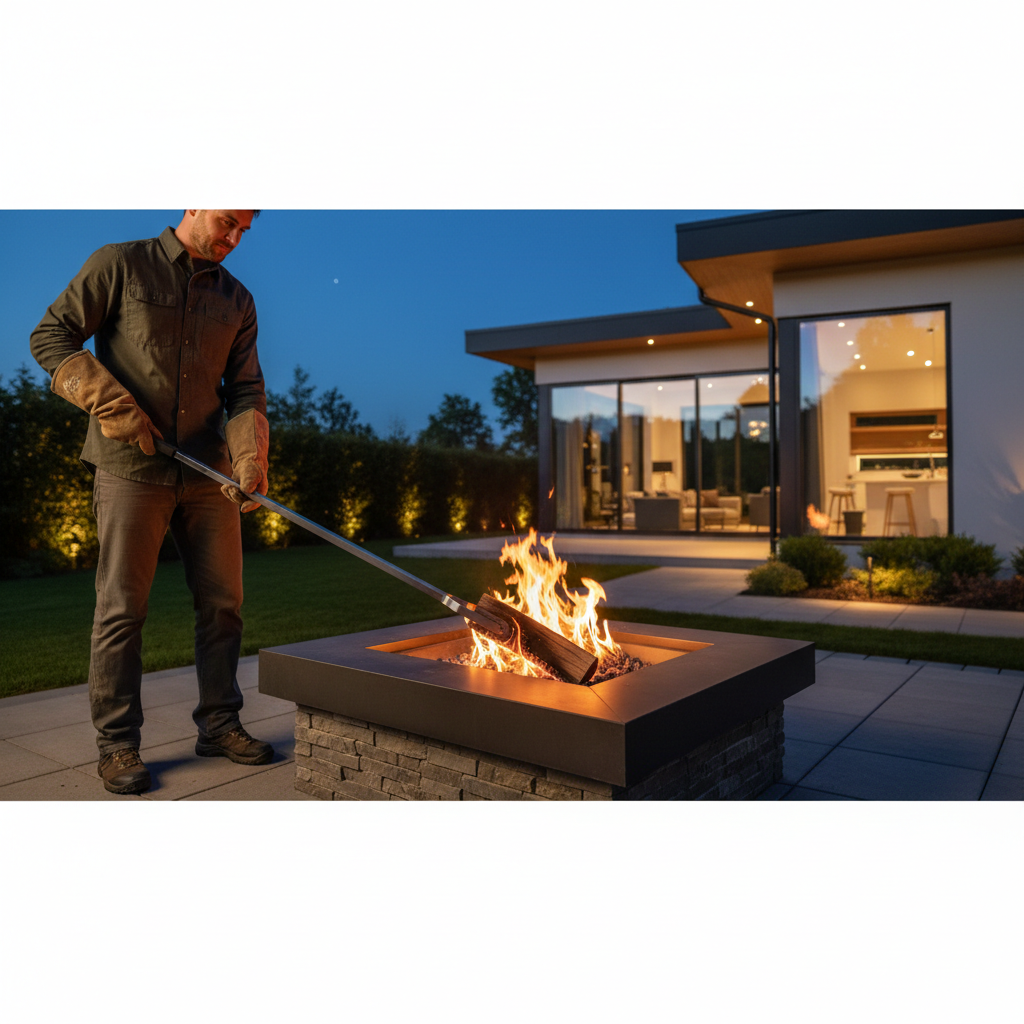
- Use the poker to drag, not lift: Most pokers are for leverage. If you need to lift a piece, switch to tongs.
- Rotate logs in small moves: Big flips tend to pop embers. Small adjustments give you the same airflow improvement with less drama.
- Keep a “tool zone”: Put the stand on the same side every time, away from foot traffic. Tools on the ground become trip hazards fast.
- Let ash cool longer than you think: Hidden embers can hold heat. If you’re unsure, wait, or consult local guidance for ash disposal.
If you have kids or pets around, it’s usually smart to treat tools like hot cookware: assume they’re hot until you’ve confirmed otherwise.
Mistakes people make when shopping (so you don’t repeat them)
A few traps show up over and over in reviews and returns.
- Buying for aesthetics only: Matte black looks great, but if the shaft flexes, you’ll hate using it.
- Ignoring your pit height: A low fire bowl plus short tools forces you into an awkward crouch near heat.
- Assuming “heavy” means “better”: Some heavy sets feel clumsy. You want stiffness and control, not just weight.
- Leaving tools outdoors uncovered: Even good coatings can wear. If you can’t store inside, consider a cover or a rust-resistant finish.
If you’re buying online, prioritize listings that show tool ends, hinges, and the stand base clearly. Vague photos are a real signal in this category.
When to upgrade, and when to ask for help
If your current poker bends, your tongs can’t grip without slipping, or your handles get uncomfortably hot quickly, an upgrade is justified. Those are not “minor annoyances,” they change safety and control.
If you’re dealing with a custom masonry pit, unusual fuel types, or persistent smoke and flare-up issues, it can be worth checking your local fire code and asking a qualified installer or fire pit professional for guidance. Some setups need airflow changes or spark protection more than they need new tools.
Conclusion: picking the right set for 2026 buying
The best fire pit poker tool set usually comes down to a long, stiff poker with a useful tip, tongs that actually bite, and storage that keeps everything off the ground and out of the weather. Once you filter for those basics, you can choose style and extras without regretting the purchase.
If you want a simple next step, measure the comfortable distance you like to stand from your pit, then buy a tool length that supports that stance, and prioritize hinge quality on the tongs since that’s where cheaper sets often fail first.