
Wire brush set rust removal sounds simple, until you’re staring at orange rust that won’t budge, or worse, you’ve scrubbed hard and left shiny scratches everywhere.
The good news is most “wire brush didn’t work” situations come down to mismatch: wrong bristle material, wrong stiffness, or the brush shape doesn’t reach the spot you’re cleaning. A set helps because you can switch tools instead of forcing one brush to do every job.
This guide breaks down what each brush type is for, how to choose a set that fits your projects, and a practical workflow that removes rust efficiently while keeping the base metal in decent shape.
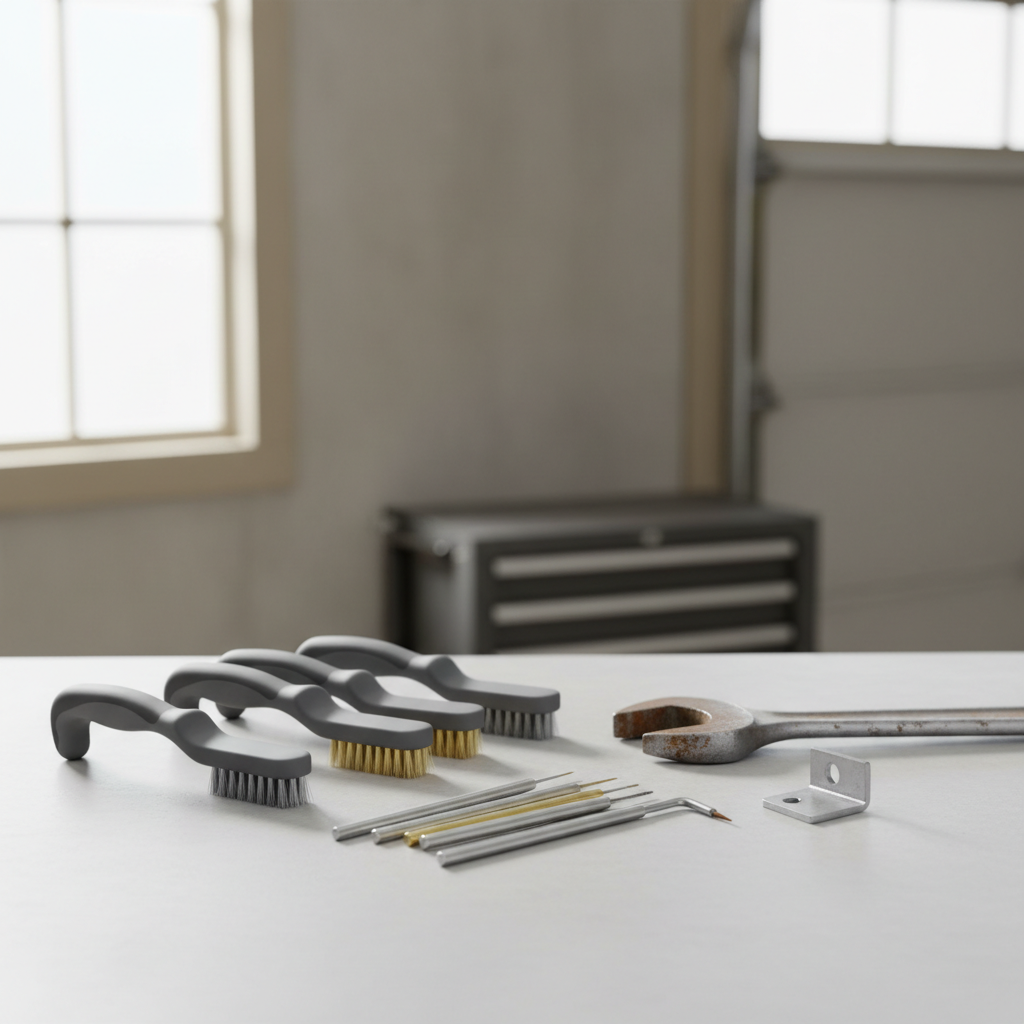
Why rust removal gets frustrating (and what a set solves)
Rust is usually uneven: flaky in one spot, stained in another, packed into corners and threads where a flat brush can’t reach. That’s why a single “one-size” brush often disappoints.
A wire brush set helps in three specific ways:
- Material choice: stainless, brass, and carbon steel behave differently on different metals.
- Stiffness range: light brushing for thin parts, aggressive brushing for heavy scale.
- Access: narrow, curved, and toothbrush-style heads get into seams, grooves, and bolt threads.
Many DIYers also skip prep. If loose scale isn’t knocked off first, you end up polishing rust dust instead of removing it.
What’s inside a typical wire brush set (and what each piece is good for)
Most sets include a mix of hand brushes and small detail brushes. The “best” mix depends on whether you’re cleaning grill grates, restoring tools, or prepping metal for paint.
Common bristle materials
- Stainless steel: usually the most versatile for general rust on steel and iron, tends to resist corrosion and stays rigid.
- Carbon steel: very aggressive, great for heavy rust scale, but can be too harsh on softer surfaces and may leave residue that later rusts.
- Brass-coated or brass: gentler, often chosen when you want less scratching, useful on softer metals or delicate parts.
- Nylon/abrasive nylon (sometimes included): not a “wire” brush, but handy for lighter corrosion, paint scuffing, and finishing passes.
Head shapes you’ll actually use
- Flat hand brush: fast coverage on broad surfaces like brackets, plates, and rails.
- Curved shoe brush: better contact on rounded tubing or edges.
- Toothbrush-style detail brush: threads, weld seams, corners, and small hardware.
How to choose the right wire brush set for your projects
Before buying, decide what “cleaning” means for you. Are you trying to remove loose rust, get bare shiny metal, or prep for paint? Those goals point to different brush types.
Quick selection table
| Project | Brush types to prioritize | What to avoid |
|---|---|---|
| Tool restoration (wrenches, pliers) | Stainless + detail brushes, curved brush | Overly stiff carbon brush on visible faces |
| BBQ/grill grates | Stainless hand brush, long handle | Loose bristles or damaged brushes that shed |
| Automotive brackets/bolts | Detail brushes for threads, flat brush for plates | One single large brush only |
| Paint prep on steel | Stainless + abrasive nylon for finishing | Brass-only if rust is thick |
| Delicate parts (thin sheet, soft metals) | Brass/nylon, small heads for control | Aggressive carbon brush that gouges |
Look for a set with solid handle construction, tightly set bristles, and at least one narrow detail brush. If your work involves corners and threads, that small brush will do more than the biggest one.
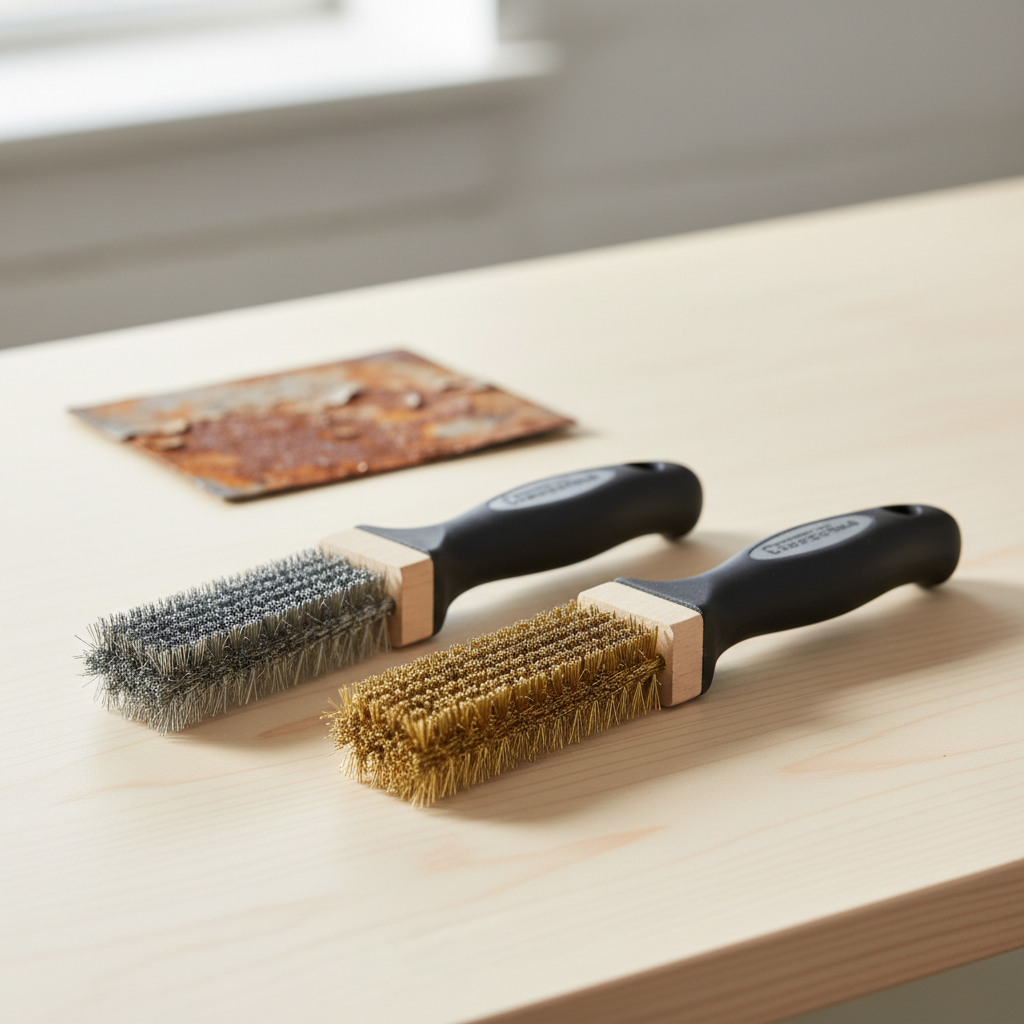
Self-check: what kind of rust problem do you have?
Not all rust responds the same way. Use this quick checklist before you start, it saves time and prevents over-scrubbing.
- Light surface rust: orange haze, metal still feels smooth. Brushing works well, especially with stainless or brass.
- Medium rust: visible texture, some flaking. You’ll likely need stiffer bristles and a bit more time, sometimes a rust remover helps.
- Heavy scale/pitting: thick flakes, cratered surface. A brush can remove loose material, but it won’t “un-pit” metal; consider power tools or part replacement.
- Rust in threads/seams: brush shape matters more than stiffness, detail heads win here.
- Paint + rust: you’re doing coating removal and corrosion removal; expect extra steps and cleanup.
If you need a paint-ready surface, brushing alone may not be enough. It can be a first stage, then you switch to sandpaper, flap wheel, or chemical prep depending on finish expectations.
Step-by-step: effective rust removal with a wire brush set
Wire brush set rust removal works best when you treat it like a short process, not just “scrub harder.” Here’s a workflow that’s realistic for most garages and workshops.
1) Prep the surface (fast, but not optional)
- Knock off loose scale with the stiffest brush you can use without chewing the base metal.
- Wipe grime and oil first, oil turns rust dust into a paste that clogs bristles.
2) Match the brush to the job area
- Use a flat brush for open areas.
- Switch to a curved brush for round stock, edges, and contours.
- Use a detail brush for corners, seams, and bolt threads.
3) Use controlled strokes, not maximum force
Pressing too hard often bends bristles and reduces cutting action. Moderate pressure with repeated passes usually removes rust faster and keeps scratches more predictable.
- Brush in one direction to see progress, then crosshatch if needed.
- Stop periodically and wipe, rust dust can hide what’s still stuck.
4) Decide when to stop brushing
Once loose rust is gone and you’re down to staining or pitting, further brushing may only brighten high spots. That’s the moment to switch methods if your goal is a smoother finish.
5) Protect the clean metal
Freshly brushed steel can flash-rust, especially in humid garages. A primer, oil, wax, or a proper coating matters as much as the scrubbing.
Safety and common mistakes (this is where most people slip)
Wire brushing looks harmless, but it can throw sharp particles and occasionally shed bristles. That’s not something to improvise around.
- Eye protection: wear safety glasses; a face shield is smart for aggressive brushing.
- Gloves: helps prevent punctures from bristles and sharp rust flakes.
- Dust control: brushing creates fine dust; a mask or respirator may be appropriate, especially on old paint where contaminants are possible.
- Workholding: clamp the part when possible, chasing it around a bench invites slips.
According to OSHA, employers should assess hazards and use appropriate PPE such as eye and face protection when tasks create flying particles; that general guidance maps well to wire brushing in home shops too.
Also, don’t use the same brush on stainless and carbon steel if you care about contamination. In many metalworking contexts, cross-contamination can cause cosmetic corrosion issues later.
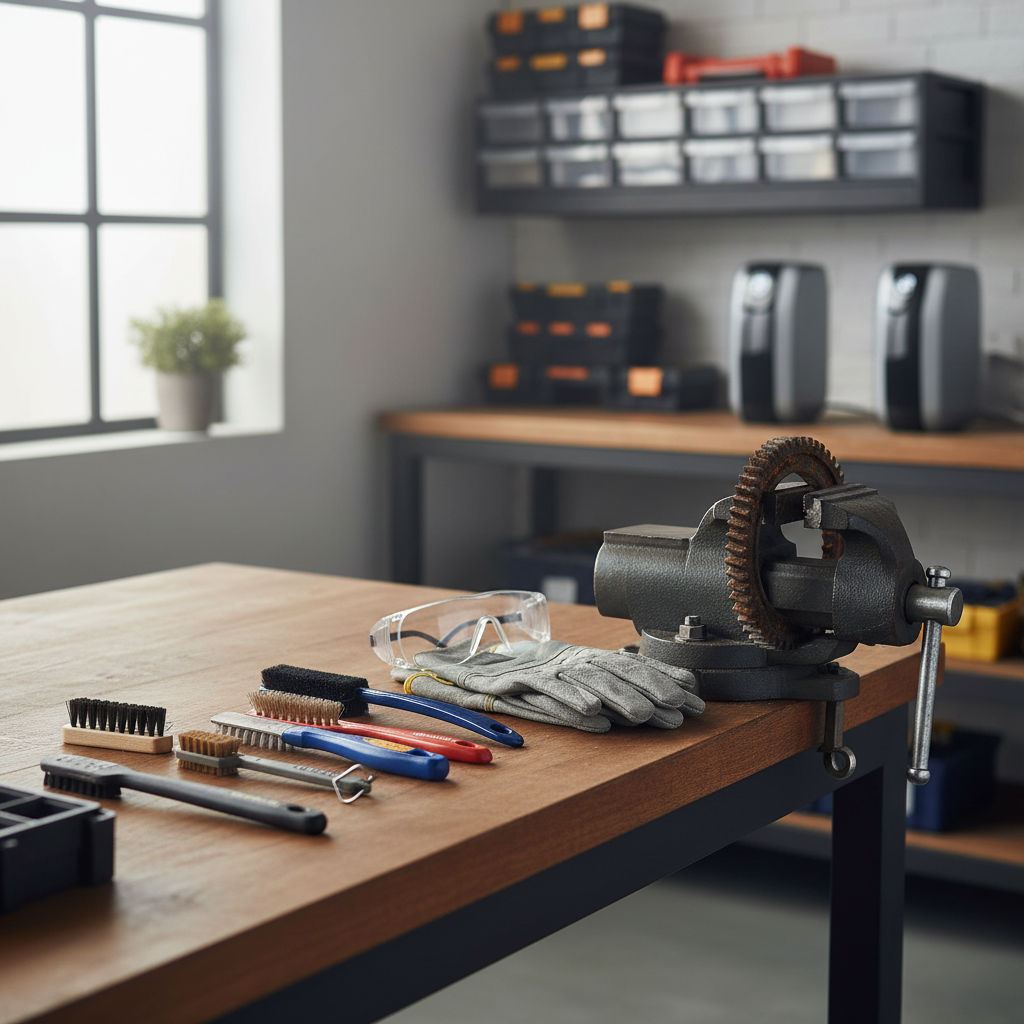
Practical tips for better results (without turning it into a huge project)
These are the small tweaks that tend to make a wire brush set feel “worth it.”
- Use the smallest brush that fits: more control, better corner contact, less random scratching.
- Clean the brush mid-job: tap it out or use a brush comb, clogged bristles stop cutting.
- Pair with penetrant or rust remover when needed: brushing after chemical dwell time often speeds up medium rust jobs.
- Finish with a gentler brush: a brass or nylon pass can remove dust and even out the look.
- Store brushes dry: wet bristles corrode and shed more easily later.
When you may need a different tool (or a pro)
A hand brush set has limits. If you’re cleaning structural parts, safety-critical hardware, or anything that could fail under load, it’s worth being conservative.
- Deep pitting on load-bearing parts: replacement or professional evaluation may be safer than cleaning and hoping.
- Large flat areas with heavy rust: a cup brush on an angle grinder, a flap disc, or media blasting may be more realistic.
- Unknown coatings: older paint can contain hazardous substances; consider consulting a professional or following local guidance for testing and safe removal.
According to the CDC, some older paints may contain lead, and disturbing them can create harmful dust; if you suspect that scenario, safer containment and professional advice often make sense.
Key takeaways
- Wire brush set rust removal works best when you match bristle material and shape to the surface.
- Most “it’s not working” problems come from using one brush too aggressively, or using a soft brush on heavy scale.
- Stop brushing when you hit pitting or staining, then switch methods if you need a smoother finish.
- Protect cleaned steel quickly to reduce flash rust.
Conclusion: a small set, used smart, beats brute force
If rust removal has been a time sink for you, don’t default to more pressure and more minutes. Pick a set with at least three shapes, start with the right stiffness for the job, and work from broad areas into details. Then seal or coat the metal so the rust doesn’t come right back.
If you want one action step today, set up a simple “two-brush habit”: one stiff brush for breaking rust, one gentler brush for finishing and dust cleanup. It’s a small change, but it usually makes results look cleaner and feel more controlled.
FAQ
What is the best bristle type for rust removal on steel?
Stainless steel bristles are a common default for steel because they stay rigid and resist corrosion. For thick scale you might step up to carbon steel, but it can scratch more and may be overkill for light rust.
Will a wire brush set damage metal surfaces?
It can. Aggressive bristles and heavy pressure may leave visible scratch patterns, especially on softer metals or finished surfaces. If appearance matters, start gentler and test a small hidden spot.
Can I use the same brush on aluminum and steel?
Many people do, but it’s not always ideal. Aluminum scratches easily, and cross-contamination from steel bristles can cause cosmetic issues in some cases. Keeping a separate brass/nylon brush for soft metals is often the safer route.
Why does rust come back quickly after brushing?
Brushing exposes fresh metal, and humidity can trigger flash rust. A quick wipe-down and a protective layer such as primer, oil, wax, or paint usually makes the difference.
Do I need chemicals if I already have a wire brush set?
Not always. For light rust, brushing alone may be enough. For medium rust, a rust remover or penetrant can help loosen oxidation so brushing takes fewer passes and feels less like a workout.
How do I clean a wire brush after rust removal?
Tap it against a hard surface to knock out debris, then use a stiff comb or another brush to pull rust dust from the bristles. Keeping it dry helps reduce bristle corrosion and shedding.
Is a wire brush safe for grill grates?
It can be, but you should regularly inspect the brush head for loose or missing bristles and replace worn brushes. If you’re concerned, consider alternatives designed to reduce bristle shedding and follow manufacturer guidance for your grill surface.
If you’re trying to standardize your garage setup, a well-chosen set can be the “grab-and-go” option that covers most rust cleanup without dragging out power tools, especially when you just need a cleaner surface before oiling, painting, or reassembly.