
The best folding saw for camping and hiking is the one that matches what you actually cut most often, wrist-thick deadwood for a fire, trail blowdowns, or small camp chores, while staying safe in a pack and not feeling like a brick on day two.
A lot of people buy a saw based on blade length alone, then get frustrated when it binds in green wood, won’t track straight, or the lock feels sketchy with gloves on. The good news is you can predict most of that before you buy by looking at a few design cues, and by being honest about your typical trips.
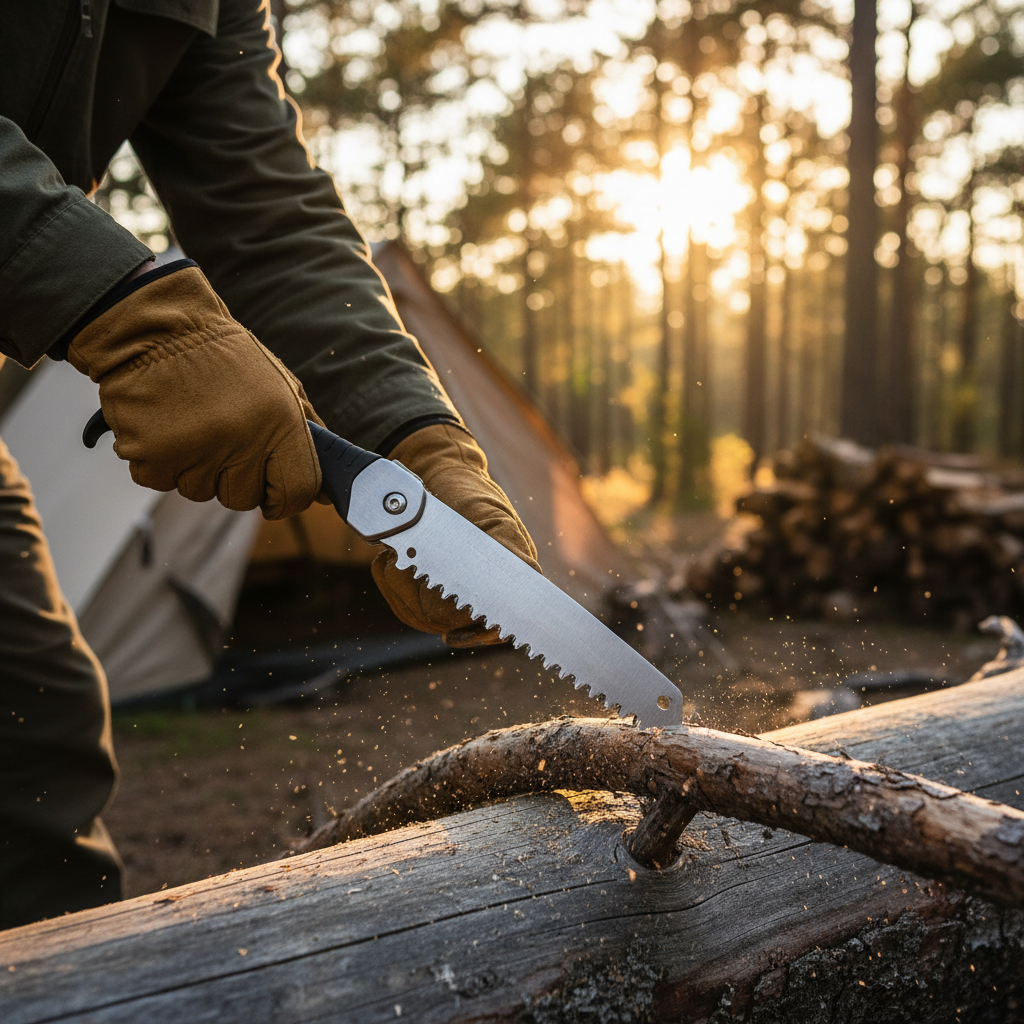
Below is a practical way to choose, what to avoid, and how to use a folding saw efficiently without burning time or risking a slip. I’ll keep it grounded in real trail and campsite scenarios, not spec-sheet theater.
What matters most in a folding saw (and what usually doesn’t)
Most folding saws look similar online, but a few details change everything once you’re tired, cold, and trying to get a fire going. Focus on these, in roughly this priority.
- Lock strength and feel: A solid lock that clicks positively reduces the chance of collapse. Check for play at the hinge, especially side-to-side.
- Blade length matched to wood size: Longer blades cut faster on thicker pieces, but can be awkward for ultralight packs and tight campsites.
- Tooth geometry for your wood: Some blades excel at dry deadwood, others bite better in green wood. The wrong match often causes binding.
- Handle ergonomics: A comfortable grip beats a “cool” skeleton handle when you’re doing 50 strokes in a row.
- Blade replaceability: Not mandatory, but helpful if you travel often or cut dirty wood that dulls teeth faster.
What tends to matter less than people think is the advertised “cutting diameter” or any vague claim about “pro-grade.” In the field, technique, tooth pattern, and how straight the blade tracks decide your speed more than hype.
Quick comparison table: choose by trip style
If you just want a fast shortlist, use this table to align features with how you camp and hike. Then you can narrow to a few models in that category.
| Trip style | Ideal blade length | Teeth / cut style | Priorities | Trade-offs |
|---|---|---|---|---|
| Backpacking (low weight) | 6–8 in | Medium teeth, pull-cut | Packability, safe lock, comfortable grip | Slower on thick wood |
| Car camping / basecamp | 8–10 in | Aggressive teeth for dry wood | Speed, leverage, replaceable blade | Heavier, bulkier |
| Trail maintenance (light clearing) | 10–12 in | Fast green-wood pattern | Durable hinge, rigid blade, glove-friendly handle | Overkill for most camps |
| Emergency / day hikes | 5–7 in | Versatile medium teeth | Compact, quick deploy, safe carry | Limited capability |
Why folding saws fail in real life: common causes
If you’ve ever thought “this saw is dull” after one weekend, it may be, but more often it’s a mismatch or a usage issue.
- Binding in the kerf: Common in green wood or when you twist mid-stroke. A longer blade with poor stiffness makes this worse.
- Teeth loading up with sap: Some tooth patterns clog quickly in resinous species. Dry wood is usually easier, but dirty bark can dull teeth fast.
- Wobbly hinge or weak lock: Even small play wastes energy and can feel unsafe when you push the pace.
- Handle hot spots: Thin handles create pressure points, which you only notice after a few minutes of cutting.
- Wrong expectations: A compact folding saw is great for wrist-to-forearm sized pieces; it’s not a substitute for an axe or a larger bow saw.
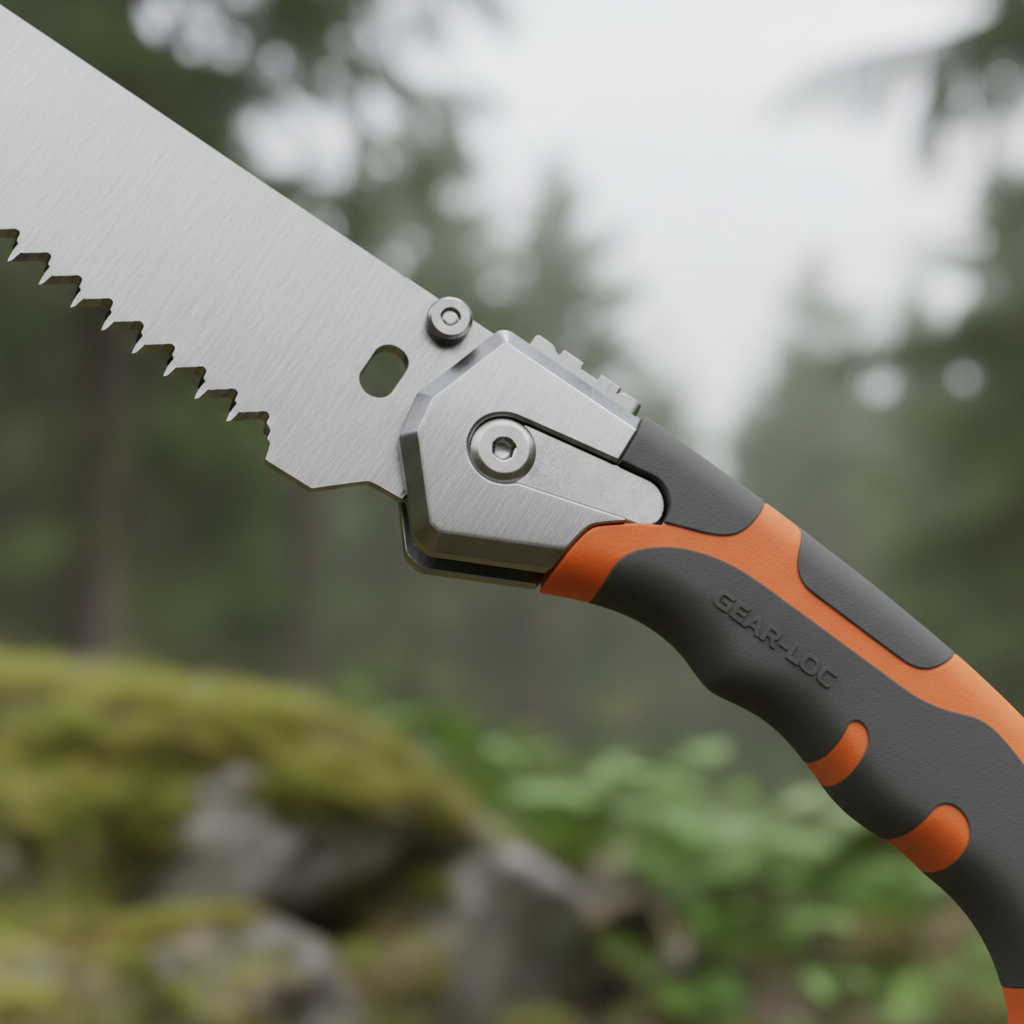
One more thing that surprises people: many folding saws are pull-cut designs, meaning they cut efficiently when you pull toward you, not when you push away. If you push hard on a pull saw, it can buckle and wander.
Self-check: which saw profile fits you?
This takes two minutes, and it usually prevents the most common “wrong saw for the job” purchase.
- What wood do you cut most? Dry deadwood for campfires, or green branches for clearing? Your answer should influence tooth aggressiveness.
- What’s the typical diameter? If most pieces are under 3–4 inches, a smaller saw can be enough. If you regularly go larger, consider 8–10 inches.
- Do you backpack or car camp? Backpacking favors compact and safe carry; car camping can prioritize speed and comfort.
- Gloves or bare hands? Cold-weather users should prioritize a handle that feels secure with gloves.
- Do you want replaceable blades? If you travel often or hate babysitting gear, replaceable blades reduce worry.
If you’re split between two categories, choose the one that matches your most frequent trip, not the rare once-a-year scenario. That’s how people end up lugging oversized gear all season.
How to pick the best folding saw for camping and hiking (step-by-step)
Here’s a simple process that works whether you’re shopping online or comparing options in-store.
1) Start with blade length, but don’t stop there
For most campers and hikers, 7–9 inches hits the sweet spot. You get meaningful speed without turning your pack into a toolbox. If you mainly do emergency-only carry, 5–7 inches is realistic.
2) Choose a tooth pattern that matches your typical cuts
- Dry deadwood: often benefits from slightly more aggressive teeth that clear chips quickly.
- Green wood: can cut smoother with geometry that reduces binding, but model-to-model differences are real.
If a brand lists “pruning” as the primary use, it often implies green-wood performance, but it’s not universal. Look for user-facing guidance from the manufacturer, not just marketing.
3) Verify lock and carry safety
A folding saw should stay closed in your pack and stay open under load. Look for a lock that engages decisively, with minimal blade play. If you can test it, open and close it one-handed and with gloves if you can.
4) Prioritize comfort where your hand actually sits
A slightly larger, grippy handle often beats a minimalist handle for long cutting sessions. If you’re choosing between two similar blades, pick the one you can hold comfortably for five minutes straight.
Field technique: cut faster with less effort (and fewer mistakes)
Even the best folding saw for camping and hiking feels slow if the setup is wrong. A few small habits make a noticeable difference.
- Stabilize the wood: Put the branch on a log or rock, or pin it with your knee carefully. Unstable wood wastes strokes and increases slip risk.
- Let the saw do the work: Use long, smooth pull strokes. Don’t muscle short choppy strokes unless you’re starting the kerf.
- Start a shallow groove: A few light strokes create a track so the blade doesn’t skate.
- Avoid twisting: Keep your wrist aligned with the cut, twisting is a common cause of binding.
- Mind where the piece will drop: If it pinches the blade near the end, change support or cut from the other side.
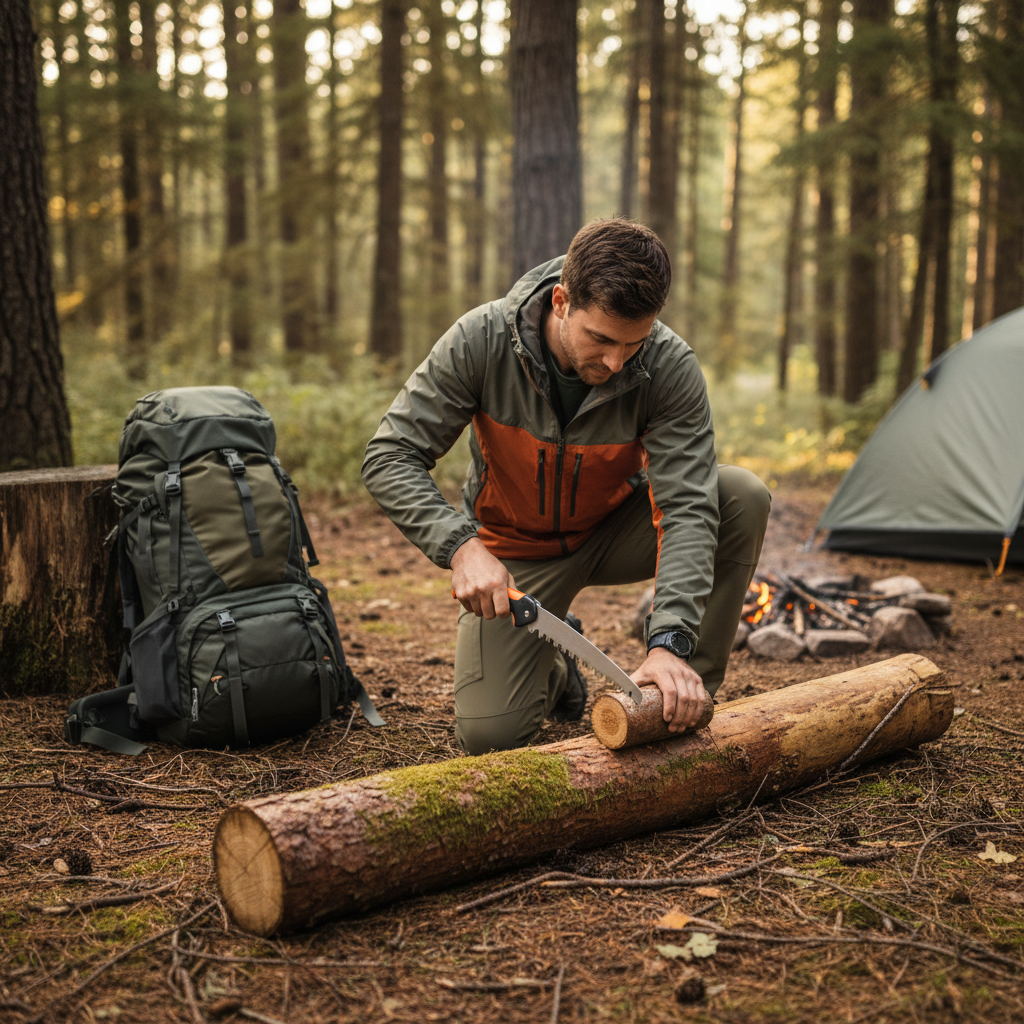
Safety-wise, treat it like any cutting tool: cut away from your body line, keep fingers clear of the blade path, and slow down if you feel yourself rushing. According to U.S. Forest Service guidance on tool use and field safety, maintaining control and stable footing is a consistent theme across hand tools, and it applies here too.
Care, storage, and when to replace the blade
Folding saw maintenance is usually simple, but neglect shows up quickly because the teeth are small and the hinge is doing a lot of work.
- Clean after sappy cuts: Wipe the blade, then dry it before folding. Sap buildup can slow cutting and encourage corrosion over time.
- Keep the pivot clean: Grit in the hinge makes opening gritty and can accelerate wear. A quick rinse and dry often helps.
- Light oil, sparingly: A tiny amount on the pivot can prevent squeaks and corrosion, but avoid soaking the handle.
- Replace when it stops tracking: If you need excessive force, the saw wanders constantly, or teeth look rounded, a replacement blade (if supported) can restore performance.
Sharpening is possible on some saw types, but many modern folding saw blades are impulse-hardened and not designed for traditional sharpening. Check the manufacturer guidance before investing time.
Common mistakes to avoid (they cost time and can cause injury)
- Cutting live branches where it’s not allowed: Many parks restrict cutting vegetation. Confirm local rules before you pack a saw.
- Using a saw where an axe is safer: For splitting, a saw isn’t the tool. It can be tempting to improvise, but it’s how accidents happen.
- Storing it wet: Folding a wet blade into a handle is a corrosion recipe.
- Overbuying: A giant saw sounds capable, but if you hate carrying it, you won’t bring it, and capability you leave at home is wasted.
If you’re planning longer trips or remote travel, consider carrying a small first-aid kit and brushing up on basic wound care. For any serious injury risk planning, it’s reasonable to seek training from qualified outdoor safety instructors.
Key takeaways and a simple recommendation
- Match blade length to typical wood size, not the biggest piece you might see once a year.
- Prioritize a trustworthy lock and a handle that stays comfortable when you’re tired.
- Use pull strokes and stable support to reduce binding and speed up cutting.
If you want one practical default for most U.S. campers and hikers in 2026, a well-built folding saw in the 7–9 inch range with a strong lock and comfortable grip is the safest bet, then fine-tune from there based on whether you mostly cut dry deadwood or greener material. If your next trip includes frequent blowdown clearing or group firewood processing, moving up a size can make sense.
Pick your category from the table, shortlist two or three reputable options, and if possible test the lock and grip in person. That small step usually matters more than chasing the newest release.