
Cable stripper tool for round wire choices can feel oddly frustrating, you buy one, it “works,” then you find tiny nicks on copper, torn insulation, or a jacket that refuses to split cleanly.
The good news is most round-wire stripping issues come from a few predictable mismatches, blade style vs. jacket type, wrong strip depth, or using a tool meant for flat cable. If you nail those, stripping becomes repeatable and fast.
This guide breaks down what actually matters when picking a round wire cable stripper, how to set it up, and how to strip common round cable types without damaging what’s inside.
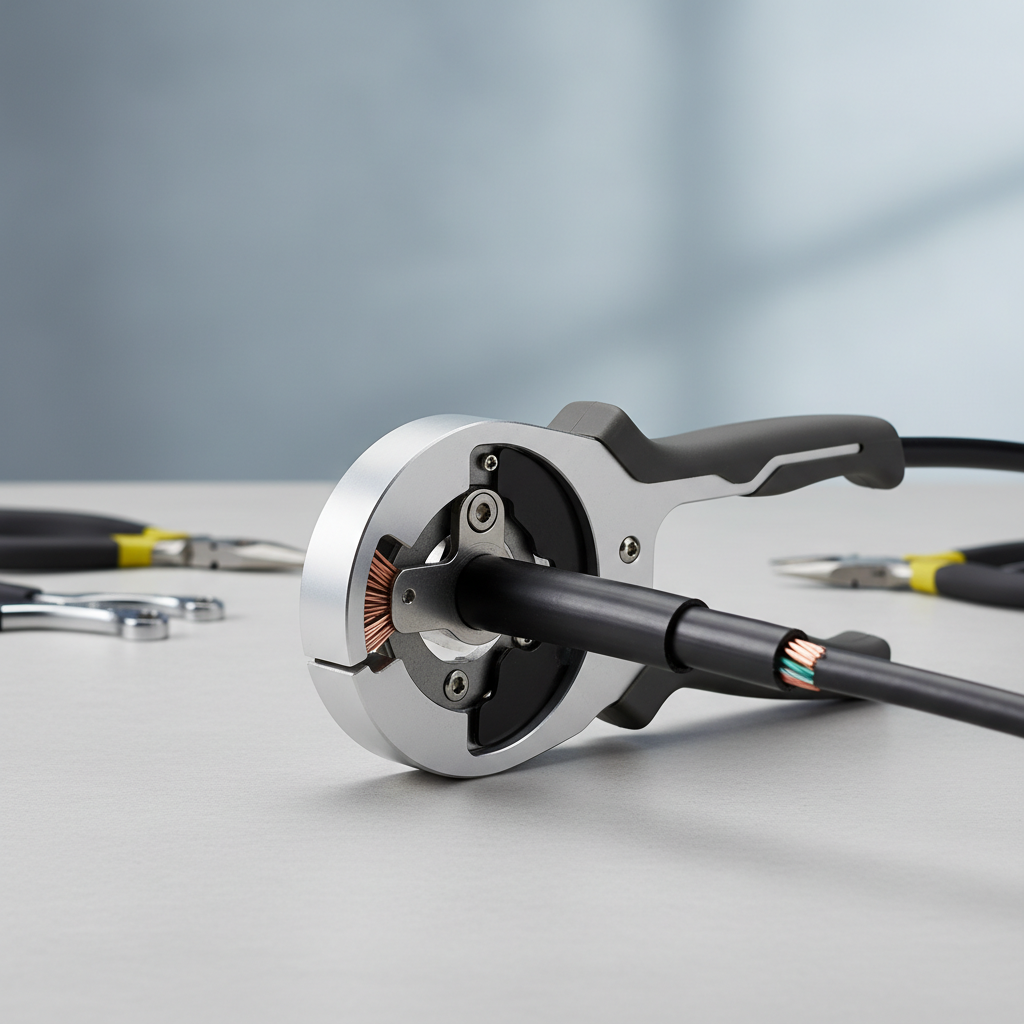
Why round wire stripping goes wrong in real jobs
Most round cable problems look like “user error,” but they’re usually tool-to-cable mismatch. Round jackets behave differently from flat insulation, and some cables hide sensitive layers right under the sheath.
- Conductor nicking: common when strip depth is set too deep or the blade is too aggressive for soft insulation.
- Jacket won’t spiral or split: typical on tougher PVC, rubber, or cold-weather jackets, especially if the tool expects thinner material.
- Oval or inconsistent cuts: happens when the tool doesn’t clamp evenly around the cable diameter.
- Damaging shielding: foil and braid sit close to the jacket on coax and some data cables, so “one more click” can ruin it.
- Time waste: if you keep switching between utility knife, side cutters, and a stripper, consistency disappears.
According to OSHA, using the right tool for the task is part of basic hand tool safety, dull blades and improvising with knives can increase injury risk. If your process relies on “careful slicing,” it may be time to change tools or technique.
What to look for in a cable stripper tool for round wire
If you only remember one thing, match the tool to the cable diameter range and the strip style you need, outer jacket removal is not the same as stripping individual conductors.
Key features that matter (and why)
- Adjustable strip depth: lets you score the jacket without cutting shielding or inner insulation.
- Diameter capacity range: the tool should clamp snugly around your most common cable sizes, not just “kind of fit.”
- Cut modes: many tools offer circular cut (ring), longitudinal cut (slit), or spiral. Having at least ring + slit covers most field work.
- Blade replaceability: if it can’t be replaced, you’ll end up pushing harder as it dulls, and that’s when damage starts.
- Ergonomics and grip: if you strip all day, hand fatigue becomes a quality issue, not a comfort issue.
Quick comparison table
| Tool type | Best for | Pros | Watch-outs |
|---|---|---|---|
| Round cable jacket stripper (adjustable depth) | Removing outer jackets on round cable | Clean, repeatable cuts; less conductor damage | Needs correct depth setting; diameter limits matter |
| Automatic wire stripper | Individual conductors (after jacket removal) | Fast on repetitive gauge work | Not for thick outer jackets; can chew fine strands if mis-set |
| Utility knife | Occasional emergency jacket work | Always available | Higher chance of injury and nicking; inconsistent results |
| Coax-specific stripper | Coax prep to spec | Correct multi-layer strip lengths | Too specialized for general round cable |
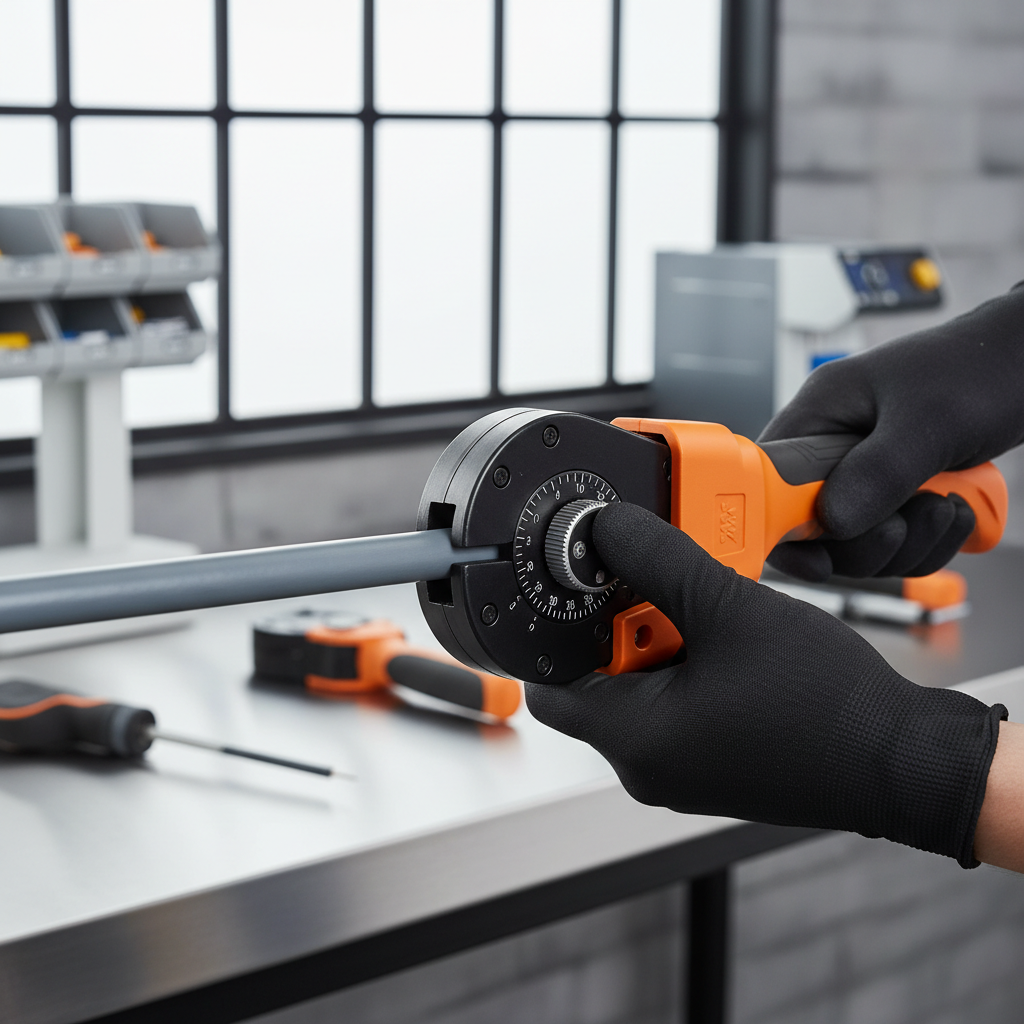
Self-check: which cable and which mistake are you dealing with?
Before you buy a new tool, get specific. “Round wire” can mean a lot of constructions, and the right cable stripper tool for round wire depends on what sits under the jacket.
- Cable type: NM, SOOW, THHN in conduit, coax, CAT cable, speaker wire, control cable, etc.
- Outer jacket thickness: thin PVC vs. thick rubber, cold-weather jackets often feel “gummy” or tough.
- Inside layers: braid, foil shield, drain wire, filler, ripcord.
- Failure symptom: nicked copper, torn jacket, ragged edge, shield damage, inconsistent strip length.
If you see copper nicks: treat that as a red flag. Even if the circuit “works,” damaged strands can create hot spots or later breakage in vibration-prone installs. Many situations call for cutting back and re-terminating, and if you’re unsure what’s acceptable for your application, consider asking a licensed electrician or your inspector.
How to use a round wire cable stripper tool (step-by-step)
Cable stripper tool for round wire setup usually decides the outcome more than technique. The goal is a controlled score through the jacket, not a deep cut into whatever comes next.
1) Set the cut depth conservatively
- Start shallow, you can always increase depth.
- Test on a short scrap piece of the same cable if possible.
- After the cut, bend the jacket slightly, it should open at the score line without resistance.
2) Choose the cut style for the job
- Ring cut (circular): best for removing a short jacket section at the end.
- Longitudinal cut: best when you need to open a jacket without sliding it off the end, common in retrofit work.
- Spiral cut: useful on longer jacket removals, but can get messy on very soft insulation.
3) Clamp straight and rotate smoothly
- Keep the tool square to the cable, angled clamping makes uneven cuts.
- Use light pressure, let the blade do the work.
- Rotate the tool around the cable rather than twisting the cable itself when possible.
4) Open the jacket, then stop and inspect
- Check for shield damage, strand cuts, or insulation scoring.
- If you see inner damage, reduce depth and re-test.
- Only then move to stripping individual conductors with the correct gauge tool.
Practical recommendations by common round cable scenarios
Different cables reward different habits. Here are a few common setups where people get stuck, and what usually helps.
Coax (RG6/RG59) and shielded cables
- Use a coax-specific stripper when you need consistent strip lengths for connectors.
- For general jacket opening, keep strip depth shallow to avoid cutting braid/foil.
- If braid looks “chewed,” your blade may be dull or set too deep.
Flexible rubber jackets (SOOW, outdoor cords)
- Rubber can “grab” blades, rotate slowly and avoid over-tightening.
- If the jacket stretches instead of cutting, a sharper blade or a tool designed for thicker jackets tends to help.
Data cable (CAT5e/CAT6) and low-voltage bundles
- Pick a tool with stable diameter control, too loose and you’ll tear the jacket.
- Be careful around the ripcord, use it intentionally after scoring the jacket.
- Try not to deform pairs, it can affect performance on longer runs.
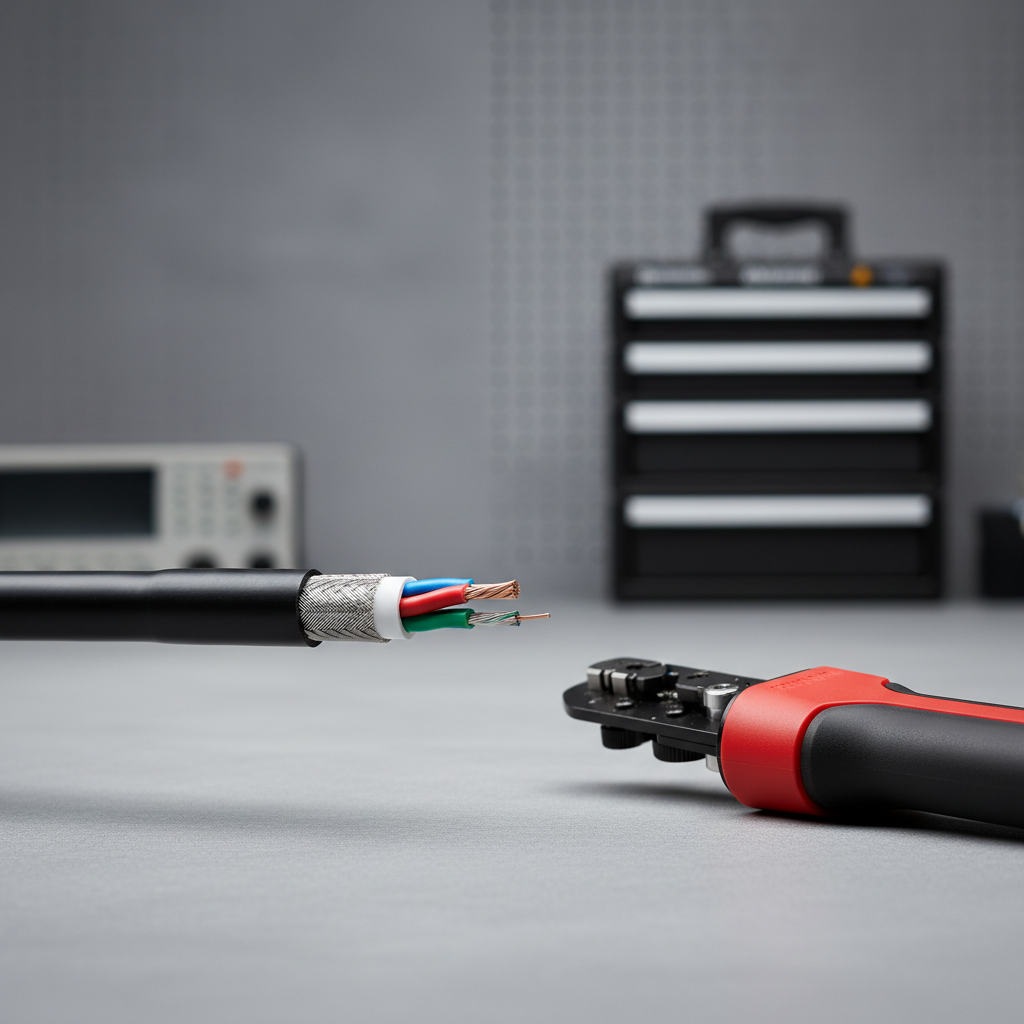
Common mistakes (the ones that cost the most time)
These are the patterns that keep showing up, especially when people jump between cable types in the same day.
- Setting depth once and forgetting it: different jackets need different depth, even within “the same size” cable family.
- Using one tool for everything: outer jacket removal and conductor stripping are different operations.
- Pushing harder instead of replacing blades: that extra force is what causes slips, gouges, and inconsistent cuts.
- Skipping inspection: a quick look saves rework later, especially before crimping or terminating.
- Ignoring temperature: cold jackets can get brittle, warm ones can get soft, both change how the blade behaves.
When it’s worth getting professional help
If you’re working on household wiring, service panels, or anything tied to code compliance, it’s smart to slow down. A clean strip is only one part of a safe termination.
- Repeated conductor damage: if you keep nicking copper, stop and reassess tool choice and settings.
- Unknown cable type: if you can’t confidently identify what’s under the jacket, a licensed electrician or qualified tech can prevent costly mistakes.
- Critical systems: fire alarm, medical, security, or industrial controls often have stricter requirements, ask the responsible professional on site.
According to the National Fire Protection Association, electrical safety work often depends on using proper equipment and following accepted installation practices. If your project touches energized circuits or code-governed installs, consulting a professional is often the safer route.
Key takeaways (so you can act fast)
- Match diameter range and cut style to your actual round cable, not the label on the package.
- Start with shallow depth, then adjust up only as needed.
- Inspect after every jacket cut, especially on shielded cables.
- If you rely on a knife for routine stripping, you’re likely paying with rework and risk.
Conclusion
A reliable cable stripper tool for round wire is less about buying the “most expensive” option and more about fit, depth control, and using the right cut mode for the cable in your hands. If your strips look clean, your shielding stays intact, and you stop seeing copper nicks, you’re in the sweet spot.
Pick one cable type you handle most, dial in your depth on scrap, then standardize your routine, you’ll feel the difference immediately in speed and consistency.
FAQ
What is the best cable stripper tool for round wire?
It depends on your cable construction and diameter range. For general outer-jacket work, an adjustable-depth round cable jacket stripper is usually the most versatile, while coax often benefits from a coax-specific stripper for consistent prep lengths.
How do I stop nicking copper when stripping round cable?
Back off the cut depth and test on scrap. If you still see nicks, the blade may be dull or the tool may not clamp evenly for that diameter, both can cause the blade to bite deeper than expected.
Can I use an automatic wire stripper on round cable jackets?
Many automatic strippers are made for individual insulated conductors, not thick outer jackets. Forcing them on jackets often leads to tearing and inconsistent cuts, a jacket stripper is usually the cleaner choice.
Is it okay to use a utility knife to strip round wire?
For occasional emergency work it can be done carefully, but it’s easier to slip, cut too deep, or damage inner layers. If you do it often, a purpose-built tool tends to be safer and more consistent.
How do I strip a round cable without damaging the shield?
Use shallow depth, prefer a controlled ring cut, and open the jacket gently. If the braid or foil shows cuts, reduce depth and consider a tool designed for shielded cable prep.
Why does my stripper tear the jacket instead of cutting it?
This often points to a dull blade, too much clamping pressure, or a jacket material that’s softer or tougher than your tool expects. Replacing the blade and re-checking the diameter setting usually fixes it.
What cable sizes do round cable stripper tools support?
It varies by model, so check the stated diameter range and compare it to your cable’s outer diameter. If your cable sits at the extreme end of the range, results may be inconsistent.
If you’re trying to standardize your workflow for a specific round cable type, or you keep seeing jacket tears and copper nicks even after adjusting depth, it may help to pick a tool designed for that diameter range and cable construction so your stripping becomes predictable instead of “trial and error.”