
Wire loom tubing split flexible is a simple way to protect and tidy wiring when you can’t (or don’t want to) disconnect every connector, because the slit lets you wrap the loom around an existing bundle.
If you’ve ever chased an intermittent electrical issue, or opened a panel and found abrasion marks on insulation, you already know why this matters, wire protection is cheap compared with troubleshooting time and replacement parts.
This guide breaks down what split loom is good at, where it disappoints, how to pick the right size and material, and how to install it so it stays closed instead of slowly “unzipping” over time.
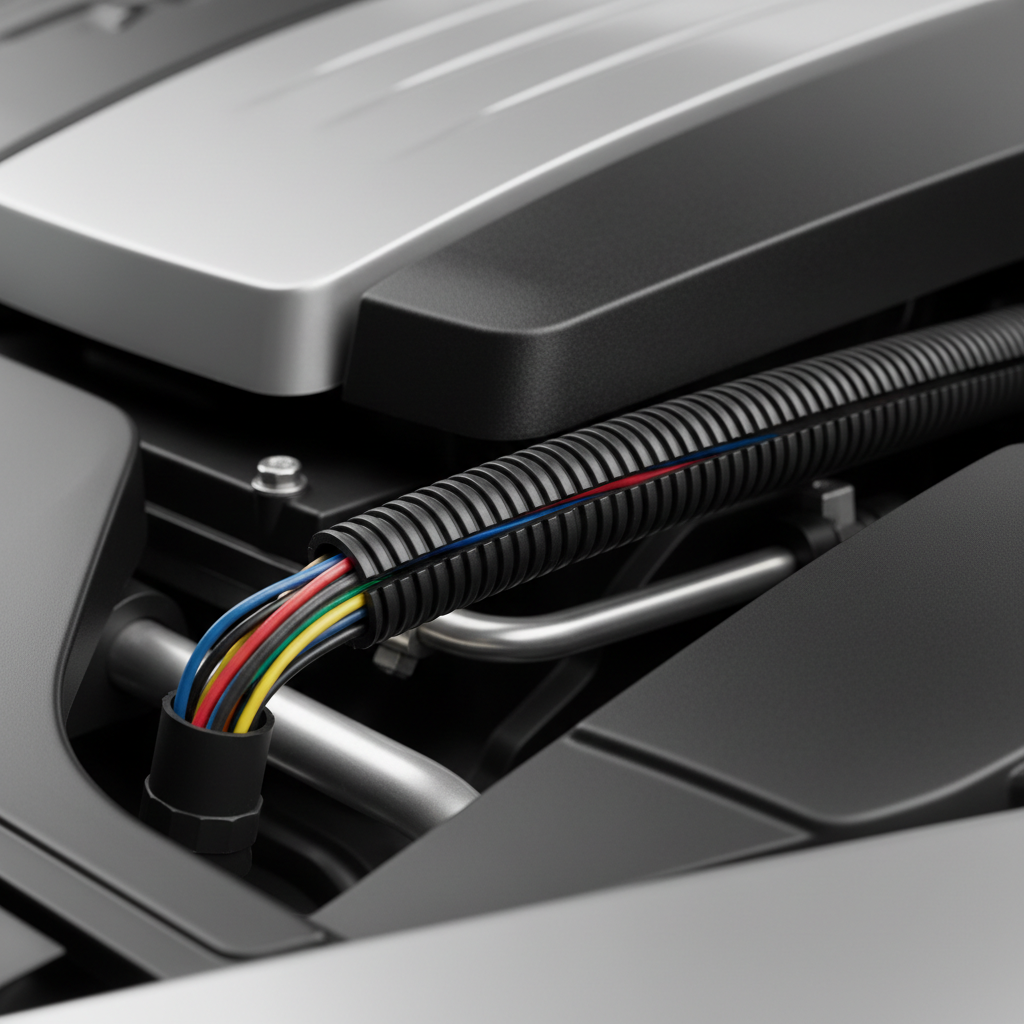
What split flexible wire loom tubing actually does (and what it doesn’t)
Split loom’s core job is abrasion protection, basic organization, and light shielding from incidental contact. In many shops, it’s the “good enough” layer that prevents insulation scuffs when a harness rubs a sharp bracket edge or vibrates against sheet metal.
What it usually does not do well is sealing. The slit is convenient, but it’s also a pathway for splash, fine dust, and chemicals, so if you need real environmental sealing, you’ll typically look at heat-shrink tubing, sealed braided sleeving, or conduit systems designed for ingress protection.
- Great for: quick retrofits, harness rework, under-dash routing, light-duty equipment, wire bundles that may get opened again.
- Not ideal for: continuous submersion, high-pressure washdown, direct exhaust-adjacent heat, or areas needing a tight EMI shield.
Common reasons people choose split loom in real projects
Most purchasing decisions come down to speed and practicality. If you’re maintaining equipment in the field, split loom lets you add protection without de-pinning connectors, pulling terminals, or taking half a machine apart.
Typical use cases
- Automotive and motorsports: protecting add-on wiring for lights, audio, dash cams, auxiliary power, winches.
- Industrial panels: keeping control wiring bundles tidy inside cabinets where routing changes happen.
- Marine and RV: reducing chafe in compartments, though you may need better UV and chemical resistance.
- Home/garage: organizing visible cable runs on workbenches, trailers, or small machinery.
There’s also a “human factor” reason, split loom makes a harness look intentional. That matters when you’re trying to hand off a build, pass an inspection, or just stop catching wires on edges during service.
Material options: PE vs. nylon vs. high-temp alternatives
Not all split looms behave the same. The material affects flexibility, crush resistance, temperature tolerance, and how well the slit stays closed.
According to UL, wiring products are commonly evaluated under standards such as UL 94 for flammability, so if you’re building something for a regulated environment, you may want to check whether the loom and any related components have relevant ratings for the application.
Quick comparison table
| Material | Strengths | Tradeoffs | Where it fits |
|---|---|---|---|
| Polyethylene (PE) | Low cost, easy to install, decent flexibility | Can open up over time, limited heat resistance | Interior, under-dash, general-purpose bundles |
| Nylon (PA) | Better abrasion resistance, higher heat tolerance, tends to hold shape | Costs more, stiffness varies by grade | Engine bays, industrial equipment, harsher routing |
| High-temp conduit or specialty polymers | Higher temperature performance, stronger chemical resistance (often) | More expensive, less “universal,” may need specific fittings | Hot zones, chemical exposure, heavier-duty protection |
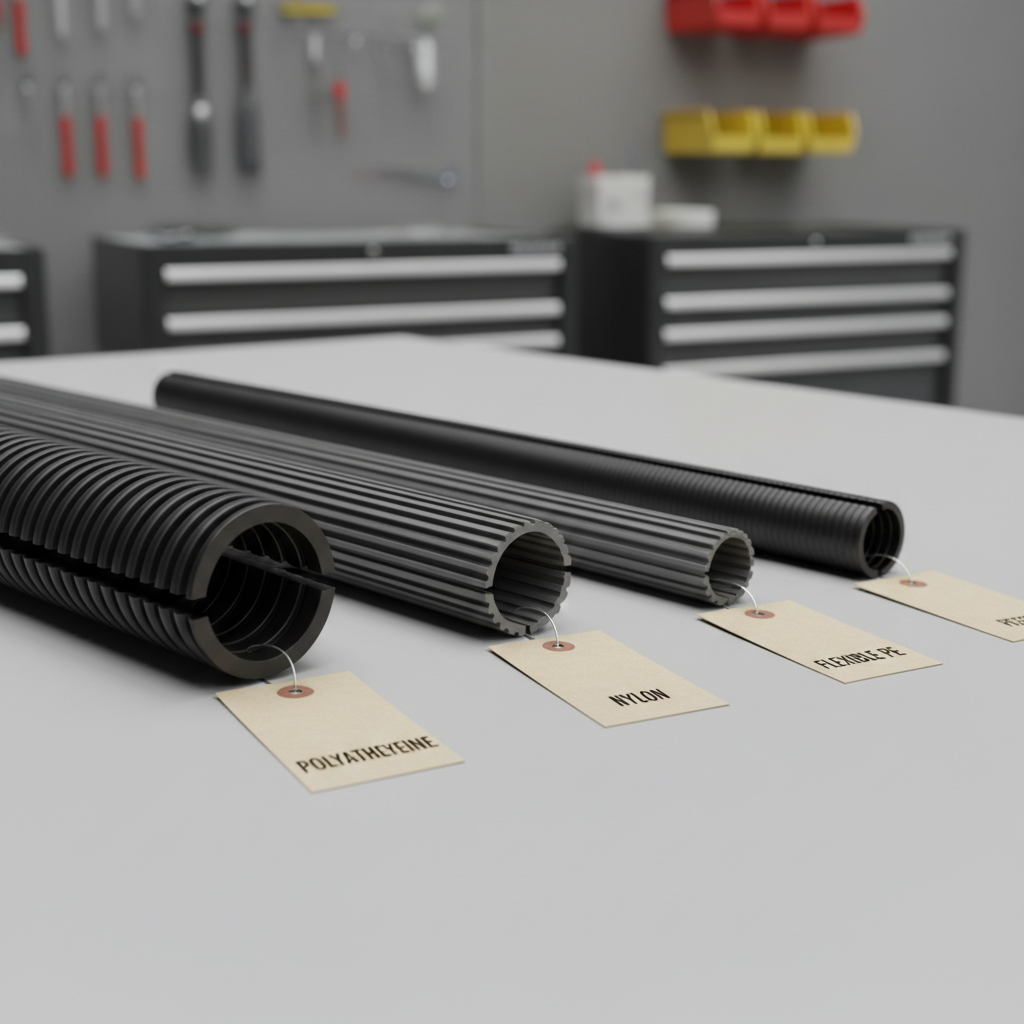
How to size wire loom tubing split flexible without guessing
Sizing is where a lot of installs go sideways. Too small and you fight it, the slit stays stressed open, and branches look messy. Too large and the bundle can rattle inside, plus the loom may snag or collapse at bends.
A practical sizing method
- Measure your bundle OD (outer diameter) with calipers if possible, or wrap a strip of paper around the bundle to estimate circumference, then convert to diameter.
- Add room for branches if you have breakout points, especially near connectors where wire count increases.
- Pick the next size up when you’re on the edge, but avoid jumping two sizes unless you plan to secure the loom frequently.
In many cases, the right feel is “slides over the bundle without forcing, then closes with light finger pressure.” If you have to pry it open constantly, the loom is undersized or the bend radius is too tight for that loom type.
Installation steps that keep the slit closed and the harness quiet
Wire loom tubing split flexible installs fast, but the little details decide whether it stays neat after a few months of vibration and heat cycling.
Step-by-step approach
- Prep the route: remove sharp burrs, add edge trim or grommets where wires pass through sheet metal.
- Lay out the harness: confirm length, branch points, and connector clearance before cutting loom.
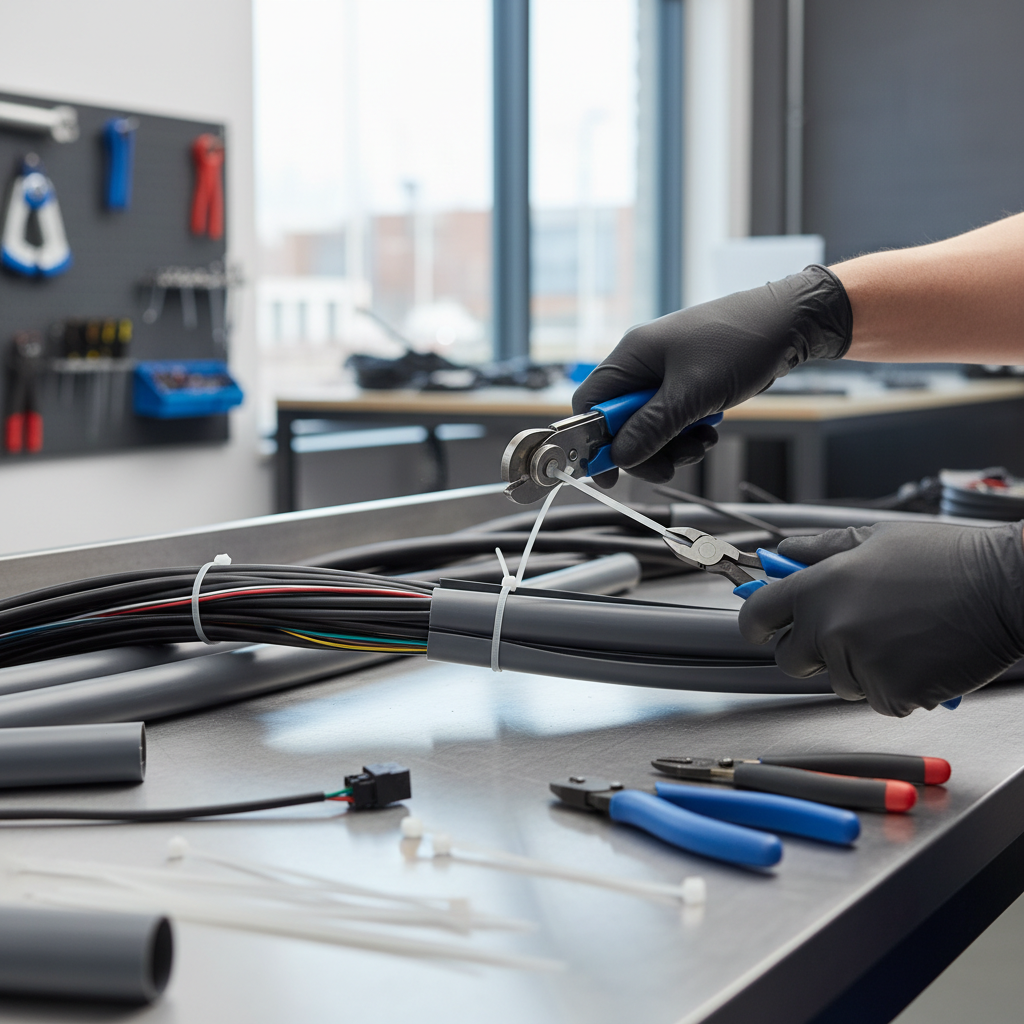
- Cut cleanly: use sharp shears or a loom cutter to avoid jagged ends that catch on tape.
- Clock the seam: aim the slit away from splash and abrasion points, for example, face it upward in wheel-well-adjacent areas.
- Secure regularly: use zip ties, harness tape, or clamps at sensible intervals and near bends, not just at the ends.
Branching without a tangled mess
At breakouts, you can either cut a “V” relief to let a branch exit, or you can stop the main loom and start a smaller loom on the branch. The second approach tends to look cleaner and reduces seam spreading, but it uses more parts.
Self-check checklist: do you need split loom or something else?
If you’re on the fence, this quick checklist usually clarifies the right protection level.
- You likely need split loom if you want fast add-on protection, expect future changes, and the area is mostly dry with moderate heat.
- You may need sealed sleeving if you’re fighting corrosion, salt spray, washdown, or persistent dust intrusion.
- You may need high-temp protection if routing is near turbo/exhaust components or sustained heat sources.
- You may need shielding if you’re chasing interference issues in sensitive signal wiring, though shielding is a system decision, not just a sleeve decision.
When safety is involved, treat loom as one layer, not the fix. If insulation is already damaged, it’s smarter to repair the conductor and add strain relief rather than hiding the problem inside conduit.
Mistakes to avoid (these cause most “why does my loom look awful?” complaints)
- Overstuffing the loom: the slit rides open, and the harness looks like it’s bursting.
- Ignoring mounting: an unsupported bundle can slap against metal and wear through, even inside corrugated tubing.
- Using cheap ties in hot zones: some ties relax with heat, then everything shifts. If heat is present, choose ties and clamps suitable for that environment.
- Seam facing the wrong way: if the slit points directly at spray or abrasion, it behaves like a scoop.
- No plan for service loops: making it “tight and pretty” can create strain at connectors during maintenance.
According to OSHA, workplaces should keep cords and wiring managed to reduce hazards such as damage and trip risks, so even in non-industrial projects, tidy routing and proper support is a practical safety habit, not just aesthetics.
When to bring in a pro (or at least change strategy)
If you’re working around high-current circuits, critical vehicle systems, or industrial machinery, it can be worth asking an electrician or qualified tech to review the routing and protection plan. Not because split loom is complicated, but because the consequences of a wrong assumption can be expensive.
- Repeated blown fuses, hot connectors, or melted insulation suggests an underlying electrical issue, not a sleeving issue.
- Harnesses near steering, braking, fuel, or high-voltage components deserve a more conservative approach and sometimes OEM-style conduit and clips.
- Any situation involving fire risk or code compliance should be evaluated against applicable standards and local requirements.
Key takeaways and practical next steps
Split loom is a fast, flexible way to protect wiring, but it works best when you size it correctly, clock the seam intelligently, and secure the run often enough that vibration can’t do slow damage.
- Pick material by environment: PE for general use, nylon or specialty options for heat and abrasion.
- Don’t guess size: measure the bundle OD and plan for branch points.
- Install like it matters: clean cuts, seam orientation, and frequent tie-downs.
If you’re ready to improve a harness this week, measure two or three typical bundle sizes you deal with, stock those loom sizes plus clamps or tape, and you’ll stop “making do” with random scraps.
FAQ
What is split flexible wire loom tubing used for?
It’s commonly used to bundle and protect wires from abrasion and minor impacts, especially when you want to add protection without disconnecting terminals or connectors.
How do I choose the right diameter for split loom?
Measure the outer diameter of the wire bundle and choose a loom size that closes comfortably without forcing. If the seam looks stressed open, go up a size or reduce bundle thickness.
Is wire loom tubing split flexible waterproof?
Usually not. The split seam allows moisture in, so if water exposure is frequent, consider sealed sleeving, heat-shrink, or conduit systems designed for wet environments.
Will split loom hold up in an engine bay?
Often yes, but material matters. Nylon loom typically handles heat and abrasion better than standard PE. For very hot routing, you may need higher-temp solutions and better mounting.
How do I keep split loom from opening over time?
Use correct sizing, orient the seam away from abrasion and spray, and secure it with ties, tape, or clamps at intervals and near bends where it wants to spread.
Can I use electrical tape instead of proper harness tape?
You can, but it may get gummy with heat and age. Many techs prefer automotive cloth harness tape for a cleaner wrap and less residue, especially in warm areas.
Is split loom okay for AC power cords or extension cords?
It can provide abrasion protection, but it doesn’t replace proper cord ratings, strain relief, or code-compliant installation. For permanent building wiring, it’s safer to consult a qualified electrician.
If you’re trying to clean up a messy harness and want a more “set it and forget it” result, consider pairing split loom with the right clamps, grommets, and heat-rated ties, the small accessories usually decide whether the job stays tidy.