
Plumber wrench compact size choices solve a very specific problem: you can see the fitting, you can reach it, but a full-size tool just won’t swing or seat correctly.
In tight spaces, the “wrong” wrench doesn’t just slow you down, it rounds flats, chews chrome, and turns a simple shutoff swap into an afternoon of frustration. The right compact wrench gives you access without trading away control.
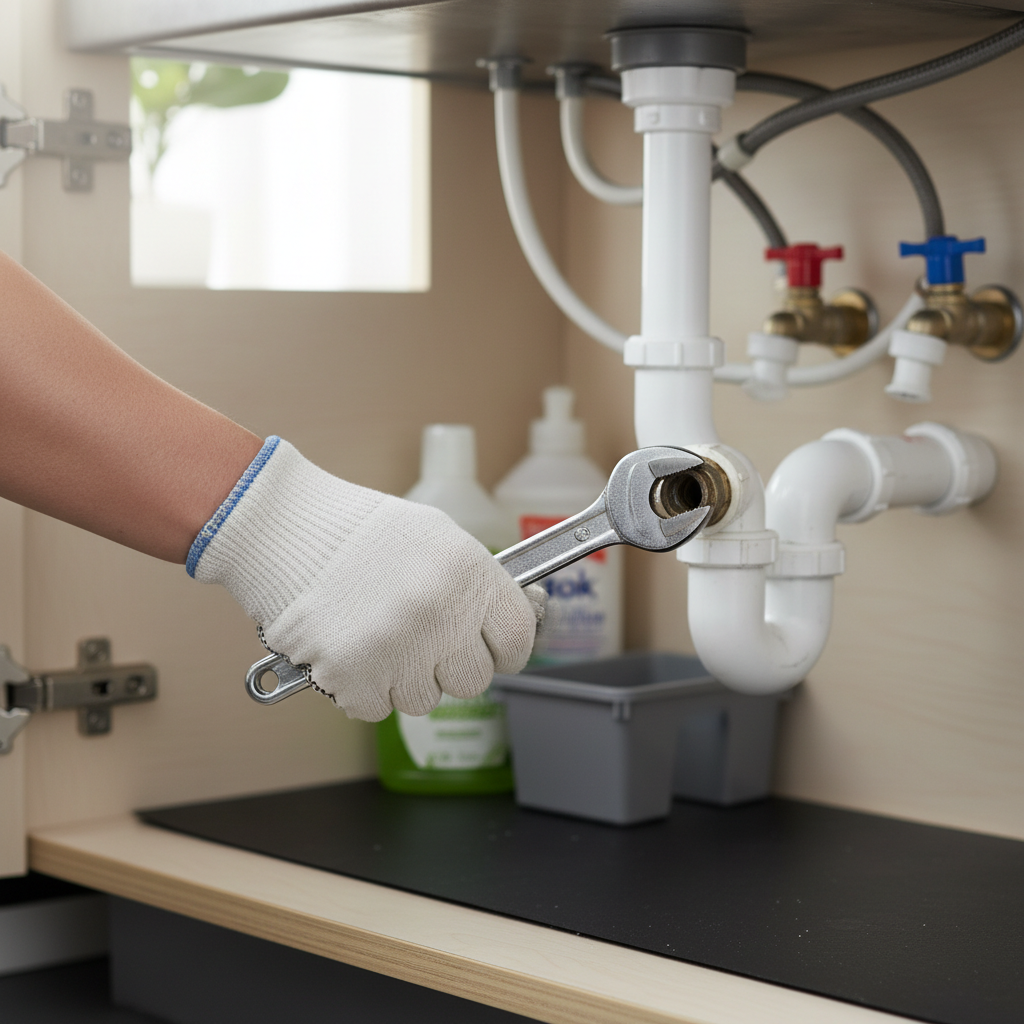
There’s a common misunderstanding here: “compact” doesn’t mean “weak.” Many compact models are built for service work where you need repeatable bite on fittings with very little working room. The real question is where the compact design helps, and where it becomes a compromise.
This guide walks through why tight spaces change everything, how to pick the right compact wrench style, and a quick checklist to figure out what will actually work in your setup, whether you’re a homeowner doing one repair or a pro building a small ‘go bag’ kit.
Why tight spaces make standard wrenches fail
When people say a job is “tight,” they usually mean more than one constraint at once: limited swing arc, awkward wrist angle, and fittings sitting close to a cabinet wall or stud bay. That stack of constraints is what causes tool slip.
- Low swing arc: You can’t rotate far enough to re-seat a jaw or advance a nut, so you keep micro-adjusting and losing grip.
- Off-axis force: In cramped areas your hand pulls at an angle, and angled force is where jaws tend to walk off flats.
- Surface damage risk: Chrome traps, visible shutoffs, and finished valves scratch easily, and the wrong tool leaves obvious marks.
- Mixed materials: Brass, plastic, and thin-wall tubing don’t tolerate over-torque, so you need controlled leverage, not brute force.
According to OSHA, hand-tool injuries often relate to tool condition and selection, and in practice, tight spaces are where people improvise and slip. If you feel tempted to “make it work,” that’s a signal to change the tool plan.
Types of compact plumber wrenches (and where each shines)
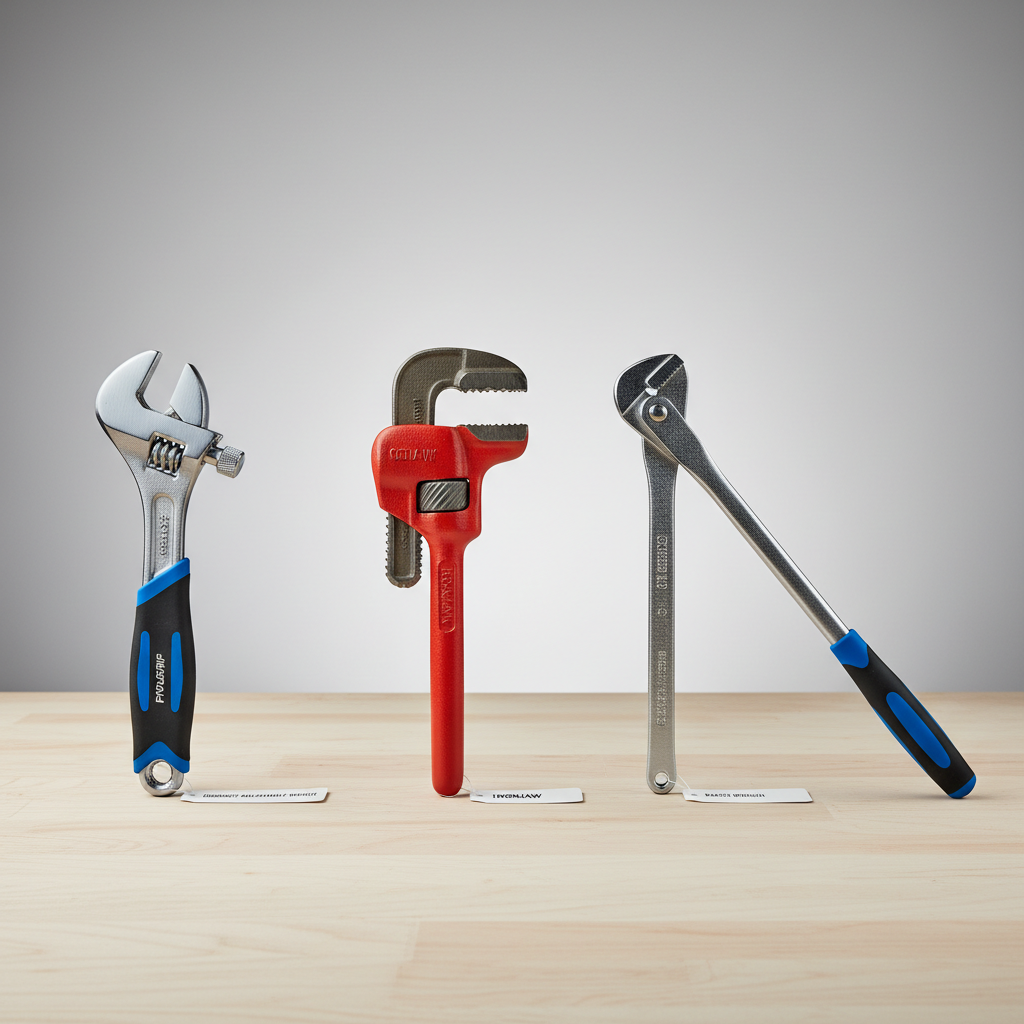
“Compact” can mean shorter handles, thinner heads, offset jaws, or a ratcheting mechanism. The best choice depends on the fitting type and what’s blocking your motion.
Compact adjustable wrench
Good for hex flats on stop valves, compression nuts, and supply connections when you have enough flat engagement. Look for tight jaw tolerances so the movable jaw doesn’t drift.
Compact pipe wrench
Best when you’re gripping round pipe or stubborn threaded nipples. A compact pipe wrench can still deliver serious bite, but it can also scar surfaces quickly, so it’s not the first choice on finished parts.
Compact basin wrench
This is the under-sink specialist, built for faucet mounting nuts you can’t see well. If the job is faucet removal or install, a basin wrench often beats any “general” compact wrench.
Ratcheting or pass-through style options
When the swing arc is almost zero, a ratcheting mechanism can keep progress steady. Pass-through can help on long threaded shanks, but compatibility varies by brand and size range.
Quick self-check: what tool do you actually need?
Before you buy anything, take 60 seconds and answer these. It saves you from buying a compact tool that still won’t fit.
- What are you gripping? Hex nut, round pipe, smooth chrome tube, plastic fitting, or faucet mounting nut.
- How much swing arc do you have? Can you move the handle 30–60 degrees, or is it more like 5–10 degrees?
- Is the part “finish sensitive”? Visible chrome/brass usually needs non-marring protection.
- Is access blocked above or behind? If the obstruction is above, a slim head matters; if behind, a shorter handle matters.
- Do you need to hold back? Many connections require a second tool to counter-hold so you don’t twist a tube or valve body.
If you’re dealing with faucet mounting nuts, a compact basin wrench is often the most direct answer. If it’s a small compression nut with limited clearance, a compact adjustable wrench with a thin head tends to behave better than a pipe wrench.
Buying guide: what “compact” should include (not just shorter length)
Two compact tools can feel totally different in real use. This is what tends to matter in tight spaces.
- Head profile: A thin head gets onto nuts that sit close to a wall or valve body.
- Jaw stability: Less jaw play means less rounding, especially on softer brass.
- Handle comfort: Short handles concentrate force into your palm, so grip texture and shape matter more than people expect.
- Capacity range: Make sure the opening covers common sizes you touch, without living at the very end of adjustment.
- Corrosion resistance: Under-sink moisture is real, even if it “looks dry.”
When you’re shopping specifically for plumber wrench compact size models, treat “fits in the bag” as secondary. In tight spaces, a shorter handle helps, but a slimmer, better-controlled head is usually what prevents slip.
Feature comparison table (fast way to decide)
Use this as a rough match between job type and tool style. Real-world installs vary, but this gets you close quickly.
| Tool type | Best for | Where it struggles | Space advantage |
|---|---|---|---|
| Compact adjustable wrench | Compression nuts, stop valves, hex fittings | Rounded flats, oily surfaces, very low swing arc | Thin head and short handle options |
| Compact pipe wrench | Threaded pipe, seized fittings, round surfaces | Finished/chrome parts, plastic fittings | Strong bite in tight quarters |
| Basin wrench (compact) | Faucet mounting nuts under sinks | General plumbing nuts on flats | Reaches behind bowls and tight back walls |
| Ratcheting/low-swing option | Minimal swing arc service work | Odd sizes, limited compatibility | Makes progress with tiny handle movement |
Practical steps: how to work a fitting in a cramped area without damaging it
This is where a compact wrench pays off, but technique still matters. Tight spaces punish sloppy alignment.
1) Prep the contact point
- Wipe the nut or pipe clean, especially if there’s soap scum or corrosion.
- Seat the jaws fully, then apply pressure in line with the flats, not at a diagonal.
2) Use “hold-back” more often than you think
If a valve body or supply tube can twist, add a second wrench to counter-hold. That reduces stress on solder joints and thin tubing.
3) Protect finished surfaces
- On chrome or brushed nickel, use a thin cloth or a purpose-made jaw cover if it still allows full engagement.
- Avoid a pipe wrench on visible finishes unless you accept tooth marks.
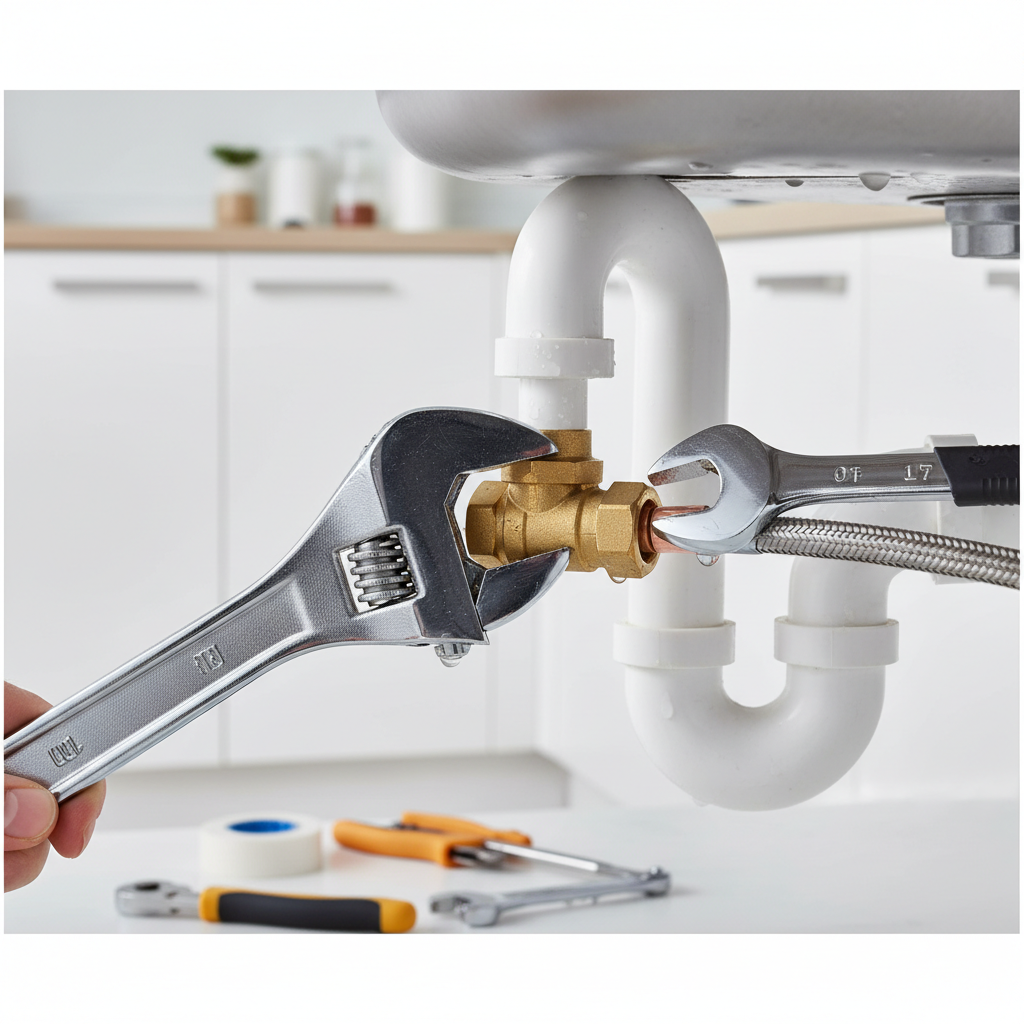
4) Don’t chase torque when the tool isn’t seated
If the wrench feels like it’s climbing off the nut, stop and reset. In many cases, that’s not “tight,” that’s misalignment, and that’s how corners get rounded.
Key takeaway: In tight spaces, control beats leverage. A smaller tool with reliable engagement usually wins over a bigger wrench you can’t swing properly.
Common mistakes with compact wrenches (and how to avoid them)
- Over-adjusting an adjustable wrench: Constant micro-adjustments often mean the jaw isn’t stable or the head isn’t seating flat.
- Using pipe-wrench teeth on soft brass: It “works,” but it can permanently deform the fitting.
- Skipping counter-hold: Twisting a valve body can create leaks at joints you never touched directly.
- Buying too small: A tiny wrench that barely opens forces you to work at the edge of its range, which increases slip.
- Ignoring clearance around the head: A short handle helps, but the head thickness is what usually determines whether you can even get on the nut.
According to CPSC, injuries related to consumer products including tools are commonly tied to misuse and poor condition. If a compact wrench is worn or the jaws don’t align, it’s not “character,” it’s a slip risk.
When it’s smarter to call a pro (or at least get advice)
Some tight-space plumbing jobs look simple but carry a high cost if something cracks or twists. Getting help is less about skill pride and more about risk control.
- You see signs of corrosion on a shutoff or galvanized pipe and you’re not sure what will break free versus snap.
- The fitting is on a main supply line, or shutoff reliability is questionable.
- You need heat, specialty extractors, or you’re dealing with brittle older materials.
- You suspect a hidden leak, mold, or water damage, this can cross into health concerns, so consulting a qualified professional is usually the safer move.
If you’re unsure, a quick call to a licensed plumber for guidance, or scheduling a small service visit, can be cheaper than repairing a cracked valve body inside a wall.
Conclusion: choosing a compact wrench that actually helps
A compact tool earns its place when it increases access and keeps grip predictable. If you’re shopping for a plumber wrench compact size option, prioritize a slim head, stable jaws, and a fit that matches your most common fittings, not just something that looks small on a product page.
Two simple action steps: measure the nut or pipe you’re dealing with, then pick the tool style that matches that shape, after that, practice seating and counter-holding before you put real torque on a live connection.
FAQ
What size is considered a compact plumber wrench?
“Compact” usually refers to shorter handle length and a tighter head profile rather than a strict inch measurement. In practice, it’s compact if it fits and swings where your standard wrench cannot.
Is a compact pipe wrench safe for chrome or polished fittings?
Many cases, no. Pipe-wrench teeth can bite and leave permanent marks, even with light pressure. If the fitting is visible, a compact adjustable wrench plus surface protection is typically safer.
Can a compact wrench still provide enough torque?
Often yes, but torque depends on leverage and grip. In tight spaces, the bigger issue is usually control and jaw seating, not raw force.
What’s better under a sink: basin wrench or compact adjustable wrench?
If you’re dealing with faucet mounting nuts, a basin wrench tends to win because it’s built for reach and odd angles. For shutoff valves and compression nuts, a compact adjustable wrench is usually more flexible.
How do I avoid rounding off a compression nut?
Make sure the jaws sit fully on the flats, pull in line with the nut, and avoid working at the very end of an adjustable wrench’s opening range. If it still slips, it may be the wrong tool style or a worn wrench.
Do I need two wrenches for small plumbing connections?
Pretty often, yes. One holds the valve body or mating fitting, the other turns the nut. This reduces twisting stress on tubing and joints, especially in cramped setups.
What if the nut won’t budge and I’m in a tight space?
Stop before you force it into a slip. Re-seat the tool, consider a different head profile, and use a penetrant if appropriate for the materials. If it’s on a critical line or heavily corroded, getting a pro involved can be the safer call.
If you’re working under sinks, behind toilets, or inside narrow cabinets and you want a more predictable setup, consider building a small “tight-space kit” around one compact adjustable wrench, one compact pipe wrench for round work, plus a basin wrench for faucet jobs, it’s a simple mix that covers most real-world scenarios without overbuying.