
The best cable cutter for electrical wires is the one that matches your wire type, cut frequency, and hand strength, because the wrong cutter doesn’t just slow you down, it can crush copper strands, nick insulation, and leave you with cuts that look “fine” until they fail under load.
If you’re shopping for 2026, the good news is you don’t need twenty tools, you need a clear pick between a few cutter styles, plus a short checklist to avoid the common traps like choosing by “max gauge” alone or buying a ratcheting model that can’t fit where you work.
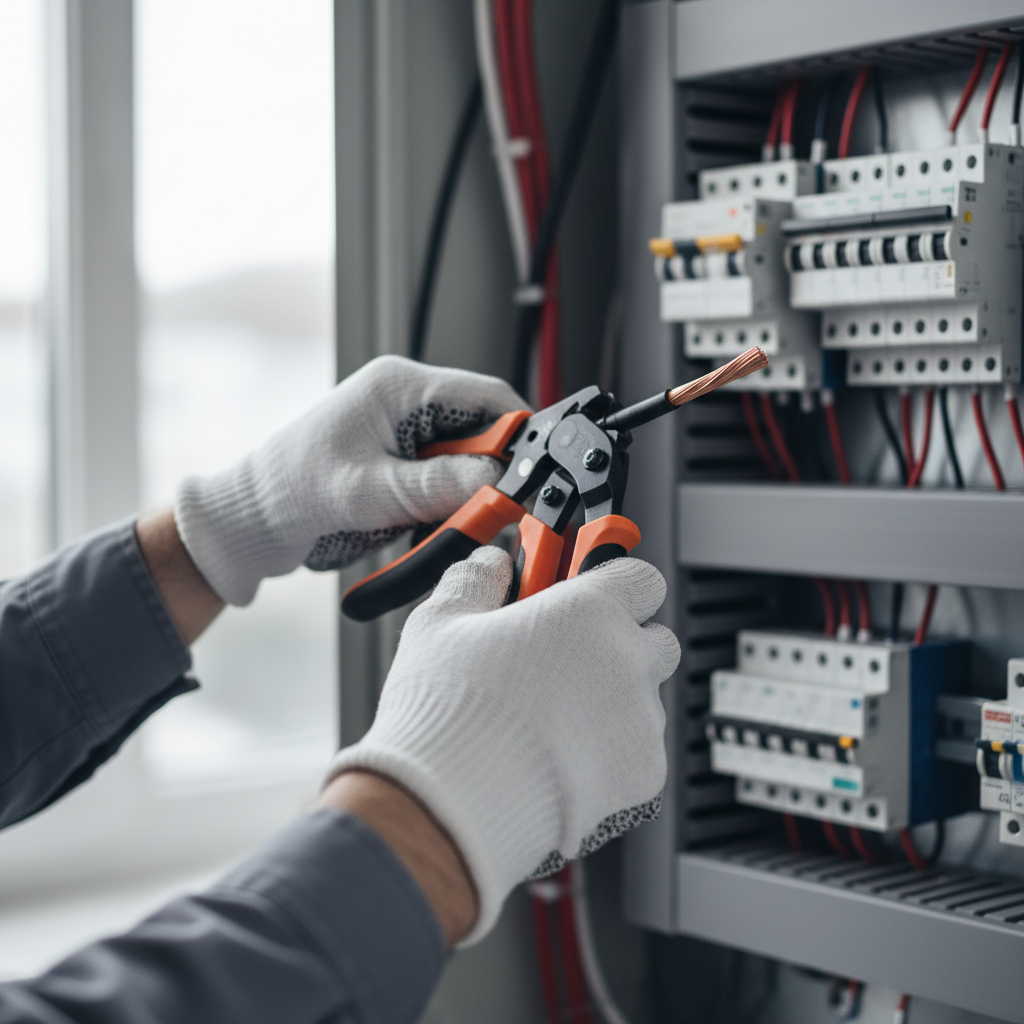
This guide breaks down what actually matters, shows quick ways to self-check your needs, and gives practical buying recommendations by scenario, so you can choose once and stop second-guessing every cut.
What usually makes a cable cutter “best” for electrical wire work
People often search for one “best” tool, but in electrical work the right answer shifts with conductor material, strand count, and space around the cut. A cutter that feels amazing on 12 AWG THHN may feel clumsy on flexible fine-strand battery cable, and it might be outright unsafe on energized work.
- Clean shear without flattening: A proper cut keeps strands round and tight, especially on fine-stranded copper.
- Low hand force: Ratcheting and compound-action designs reduce fatigue on repetitive cuts.
- Access and control: Head size and jaw shape matter in panels, trays, and tight studs.
- Durability and service: Blades that chip or misalign quickly stop being “best” fast.
According to OSHA and NFPA guidance around electrical safety, de-energizing circuits and using appropriate PPE is the safer default; if you’re unsure about live work practices, it’s worth consulting a licensed electrician or your site safety lead.
Types of cable cutters (and which electrical wires they fit)
If you only remember one thing, remember this: “cable cutter” can mean very different jaw geometry. Here’s how they tend to map to real jobs.
Ratcheting cable cutters
These are the go-to for thicker copper and aluminum conductors, because the ratchet multiplies force. Many models do great on larger building wire, feeder cable, and some flexible cable.
- Best for: frequent cutting, larger diameters, users who want less hand strain
- Watch-outs: bulky head can block access; some models struggle with very fine-strand cable if blade geometry isn’t right
Compound-action cable cutters (non-ratcheting)
They close in one motion but still provide mechanical advantage. In practice, they’re faster than ratcheting for mid-size cuts when you have the grip strength.
- Best for: mid-size wire, faster cycle time, field work where you value speed
- Watch-outs: can tire hands if you’re cutting all day
High-leverage diagonal cutters (dikes)
Great for small conductors, tie wire, and trimming ends, but they’re not a universal cable cutter. People use them on larger conductors and then wonder why the copper mushrooms and the cutter gets notched.
- Best for: small solid/stranded wire, zip ties, light-duty cuts
- Watch-outs: not for large cable; blade damage is common when misused
Insulated cutters (VDE/1000V-rated styles)
Insulated handles reduce shock risk if you’re working near energized parts, but they don’t make live cutting “safe.” Think of insulation as a layer of protection, not permission.
- Best for: work near panels and gear where accidental contact is possible
- Watch-outs: verify markings and condition; damaged insulation should be retired
Quick self-check: what should you buy for your use case?
This is the fastest way to narrow to the best cable cutter for electrical wires for you, without getting lost in brand pages.
- What wire are you cutting most? 12/14 AWG branch circuits, 6 AWG feeders, flexible welding/battery cable, coax, or something else?
- Material? Copper, aluminum, or mixed. Some cutters handle both, some prefer copper.
- Stranding? Fine-strand flexible cable needs a cleaner shear than solid building wire.
- How often? A few cuts per week versus dozens per day changes what “best” means for comfort.
- Where do you cut? Open bench, ladder work, inside panels, crowded trays.
- Any safety constraints? If you work around energized equipment, insulated tools and procedures matter more than raw cutting power.
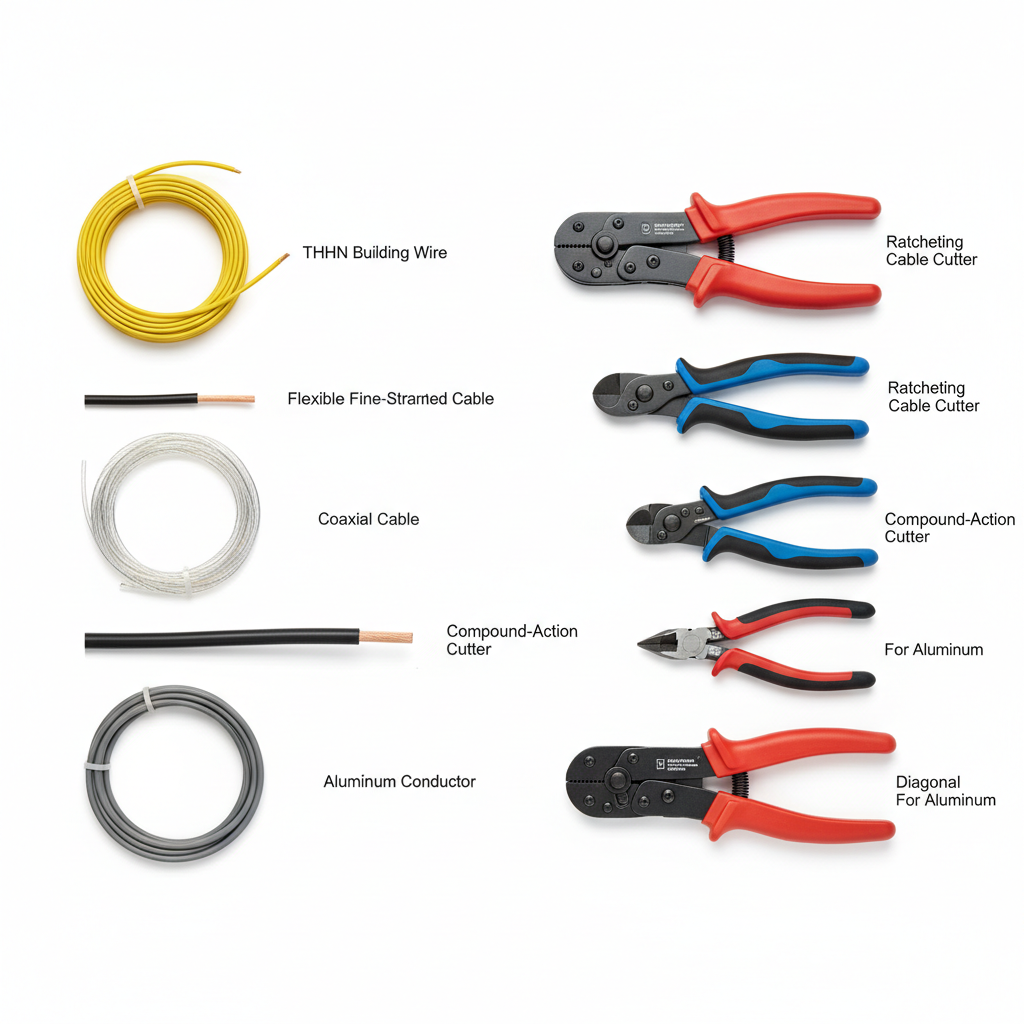
If you’re still split between two styles, default to ratcheting when you cut thicker conductors often, and default to compound-action when you need speed and a slimmer head for access.
Buyer’s checklist: features that matter more than marketing
Specs pages can be noisy. These details usually show up in day-to-day use, which is why buyers keep returning tools that looked great online.
- Cutting capacity stated by diameter, not just “AWG”: AWG alone can mislead across insulation types and stranding.
- Jaw geometry for stranded wire: Look for shear-style blades that slice rather than pinch.
- Handle ergonomics: Thicker grips help some hands, annoy others; if possible, try a similar model in-store.
- Locking mechanism: A secure lock matters in tool bags and on ladders.
- Blade hardness and alignment: Misalignment creates “chewed” cuts; a replaceable blade can extend tool life.
- Insulation rating (if needed): Choose clearly marked insulated tools and inspect before each use.
Scenario recommendations (what to pick in real jobs)
Here’s a practical way to choose, based on what many U.S. DIYers and tradespeople run into.
- Home DIY, small-gauge branch wire (14–10 AWG): high-leverage diagonal cutters or a compact compound-action cutter, prioritize control and clean cuts.
- Panel work with mixed gauges (14–6 AWG): a mid-size compound-action cable cutter, slim head, good leverage.
- Frequent feeder cuts (6 AWG and thicker): ratcheting cutter to save hands, especially on repetitive jobs.
- Flexible fine-strand cable (inverters, battery banks, marine/RV): shear-style cable cutter with geometry meant for fine strands, ratcheting can be great if the blade is designed for it.
- Work near energized gear: insulated cutters plus correct procedures, and if anything feels unclear, pause and ask a qualified professional.
Comparison table: choosing a cutter style at a glance
Use this as a quick filter before you start comparing specific models and brands.
| Tool style | Best use | Strengths | Trade-offs |
|---|---|---|---|
| Ratcheting cable cutter | Thicker copper/aluminum, frequent cuts | Low hand force, very clean on large cable | Bulkier head, slower cycle |
| Compound-action cutter | Mid-size electrical wire, faster work | Good leverage, quick one-stroke cuts | More hand effort than ratcheting |
| High-leverage diagonal cutters | Small-gauge wire, trimming | Fast, compact, versatile for light work | Can crush larger stranded cable, blade damage risk |
| Insulated (VDE/1000V-rated) versions | Work near energized parts | Extra protection against accidental contact | Not a substitute for de-energizing and PPE |
How to cut electrical wire cleanly (step-by-step)
The tool matters, but technique fixes a surprising amount. This is a simple routine that reduces crushed strands and “mystery” fit issues in terminals.
- Confirm the circuit is de-energized using proper lockout/tagout practices where applicable; when in doubt, consult a licensed electrician.
- Square the wire: hold the conductor so the cut is perpendicular, not at an angle.
- Use the right part of the blade: most cutters shear best closer to the pivot, not at the tip.
- One committed cut: partial bites flatten copper; ratcheting tools help here.
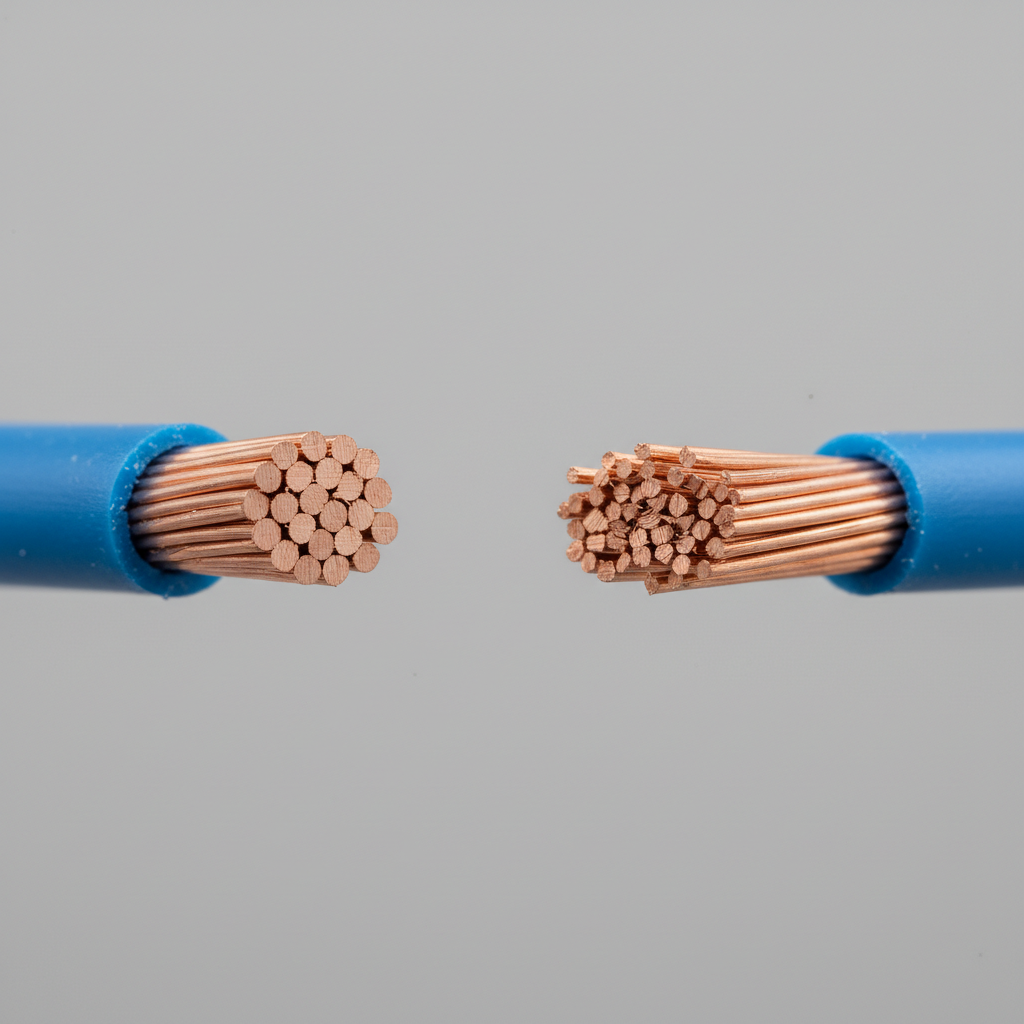
- Inspect the end: strands should look even, insulation should not be torn back.
- Re-cut if needed: if you see mashed strands, don’t “make it work” in a lug, trim and redo.
Common mistakes that waste money (and how to avoid them)
A lot of cutter regret comes from a few predictable misreads.
- Buying by “AWG capacity” alone: insulation thickness and stranding change real-world diameter, so cutters can bind or crush.
- Using dikes as a universal cable tool: they’re great until you push them past their comfort zone, then they notch and everything cuts worse.
- Ignoring access: a powerful ratcheting head doesn’t help if it can’t fit between conductors in a panel.
- Skipping inspection: a slightly chipped blade can keep working, but it often starts tearing insulation instead of shearing.
- Assuming insulated handles equal “safe to cut live”: many incidents start with that assumption; procedures matter.
When it’s worth getting professional help
If you’re cutting into service conductors, working in unfamiliar panels, seeing overheated insulation, or you’re not fully confident the circuit is de-energized, it’s usually smarter to bring in a licensed electrician. The best cable cutter for electrical wires can’t compensate for unclear load calculations, mislabeled breakers, or unsafe working conditions.
Key takeaways (so you can decide today)
- Match the cutter to the wire: fine-strand flexible cable and thick feeders want different jaw geometry and leverage.
- Ratcheting saves hands on frequent or thicker cuts, but head size can be a deal-breaker in tight spaces.
- Clean cuts are the goal: mashed strands and torn insulation usually mean wrong tool or sloppy technique.
- Safety is a system: insulated tools help, but de-energizing and verification come first.
Conclusion
Choosing the best cable cutter for electrical wires in 2026 comes down to being honest about what you cut most and where you cut it, then picking the cutter style that gives clean shears without fighting your hands or your workspace. If you want a simple next step, list your top two wire types and your tightest working space, then shop within one cutter category instead of bouncing between all of them.
FAQ
- What’s the best cable cutter for electrical wires in a home DIY kit?
For typical branch wiring, a compact compound-action cutter or quality high-leverage diagonal cutters often covers most needs, as long as you’re not routinely cutting thick feeders. - Is a ratcheting cable cutter better than a compound-action cutter?
It depends on frequency and diameter. Ratcheting models reduce hand force for larger cable, while compound-action cutters feel faster for mid-size wire when you have room to open and close them. - Can I cut aluminum wire with the same cutter as copper?
Many cutters can handle both, but aluminum can deform differently. Check the manufacturer’s rating and inspect cut quality; if the end looks smeared or crushed, consider a cutter designed for that conductor. - Why do my stranded wires look flattened after cutting?
Usually it’s blade geometry, cutting at the tip instead of near the pivot, or taking multiple partial bites. A shear-style cutter and a single committed cut typically improves results. - Do insulated cutters mean I can work on live circuits?
No. Insulation reduces risk of accidental contact, but safe practice usually starts with de-energizing, verifying absence of voltage, and following site procedures. If you’re unsure, consult a qualified electrician. - What should I do if my cutter leaves burrs or tears insulation?
Check for blade nicks and alignment, then re-cut with the wire seated deeper in the jaws. If the tool keeps tearing, it may be worn or simply mismatched to that wire type. - How do I know what size cable a cutter can handle?
Look for diameter and material ratings, not only AWG. If you can, test on scrap of the same cable you use, because insulation and stranding change real fit.
If you’re trying to narrow down options fast, it often helps to share the wire types you cut most and the tightest space you work in, then you can shortlist a couple cutter styles and avoid buying something powerful that’s awkward in your hands.