
how to prune roses with pruning shears is mostly about two things, making clean cuts that heal fast, and choosing which canes deserve to stay. If you get those right, roses usually reward you with stronger growth, better airflow, and blooms that look less random.
A lot of people avoid pruning because it feels permanent, one wrong snip and you imagine the plant “ruined.” In reality, most roses are tougher than they look, but they do respond differently depending on type, timing, and how sharp your tools are.
This guide walks you through when to prune, what to cut, how to angle your cuts with hand pruners, and how to adjust for common rose types in U.S. gardens. You’ll also get a quick self-check, a small reference table, and a few mistakes that waste a whole season.
Why pruning roses works (and what it actually fixes)
Pruning is less about “making it pretty” and more about directing energy. A rose can only support so many canes well, so removing weak or crowded growth often improves what remains.
- More flowers per cane: fewer, stronger canes tend to push better shoots and larger blooms.
- Better airflow: opening the center reduces lingering moisture that can contribute to common issues like black spot in many climates.
- Healthier structure: removing dead or crossing canes lowers rubbing wounds and breakage.
- Size control: keeps a rose from swallowing a walkway, fence line, or window.
According to the Royal Horticultural Society (RHS), pruning helps maintain plant vigor and encourages flowering by removing older, less productive growth and shaping the plant for light and air movement.
Before you cut: choose the right pruning shears and prep fast
If your pruners crush stems instead of slicing them, you’ll see ragged ends that heal slowly. That’s one reason people feel their rose “hates pruning,” when it’s really tool quality and sharpness.
What to look for in pruning shears
- Bypass pruners (scissor-like blades) for live canes, they make cleaner cuts than anvil styles in most cases.
- Sharp blade and tight pivot so the cane doesn’t twist while you cut.
- Comfort grip, because roses fight back and you’ll do more cuts than you expect.
Quick prep checklist
- Put on gloves and long sleeves, rose thorns are stubborn.
- Sanitize blades before starting and between plants if disease is a concern. According to University of Minnesota Extension, cleaning tools can help reduce the chance of spreading plant pathogens.
- Keep a rag handy, sap and grit reduce cutting quality fast.
Safety note: If you have allergies, asthma, or sensitivities to sprays or disinfectants, choose a method you tolerate, and consider asking a local garden center or extension office what’s common in your area.
When to prune: timing by season and rose type
Timing is where most “contradictory” advice comes from. People talk past each other because the right window depends on climate and what kind of rose you have.
In many U.S. regions, the main prune happens in late winter to early spring, around the time buds begin to swell. Many gardeners also do lighter touch-ups after flushes of blooms.
Quick timing table
| Rose type | Main pruning window | How hard to cut back |
|---|---|---|
| Hybrid tea / Floribunda | Late winter–early spring | Moderate to hard, keep strong canes |
| Shrub roses | Early spring | Light to moderate shaping |
| Climbing roses | After main bloom or early spring (variety-dependent) | Focus on training and thinning, not heavy shortening |
| Once-blooming old garden roses | Right after flowering | Light thinning; avoid heavy spring pruning |
If you’re unsure which type you have, don’t panic, you can still prune safely by focusing on dead wood, crossing canes, and light thinning first.
How to prune roses with pruning shears: the core technique
how to prune roses with pruning shears comes down to seeing the plant in layers, remove what’s clearly unhelpful, then shape what remains. Keep your cuts deliberate, because lots of tiny nervous snips usually create a twiggy mess.
Step 1: Strip out the “obvious” canes first
- Dead canes: often brown, brittle, hollow, or flaking, cut back to healthy green tissue.
- Diseased-looking wood: blackened, cankered, or split areas, remove below the damage if possible.
- Crossing canes: choose the better-placed cane, remove the one rubbing through the center.
- Thin, weak shoots: especially pencil-thin growth that rarely supports strong blooms.
Step 2: Make a proper cut (angle, location, and direction)
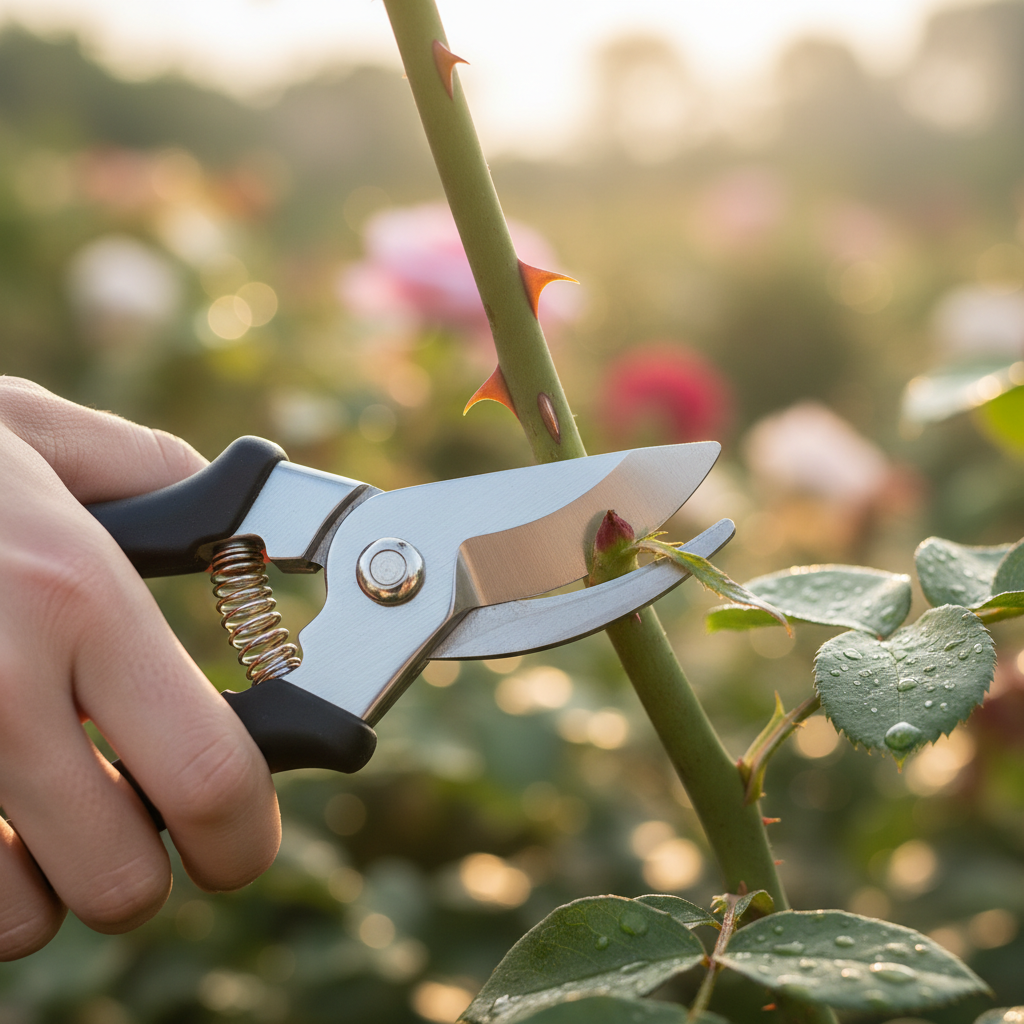
- Cut about 1/4 inch above an outward-facing bud (often called a bud eye), so new growth tends to expand outward.
- Angle the cut slightly so water sheds off the cut surface, avoid extreme angles that create long stubs.
- Keep the bypass blade on the side you’re keeping, that reduces crushing on the remaining cane.
If you cut too far above a bud, you leave a stub that may die back. If you cut too close, you can nick the bud and slow that cane’s next push.
Step 3: Shape for light and breathing room
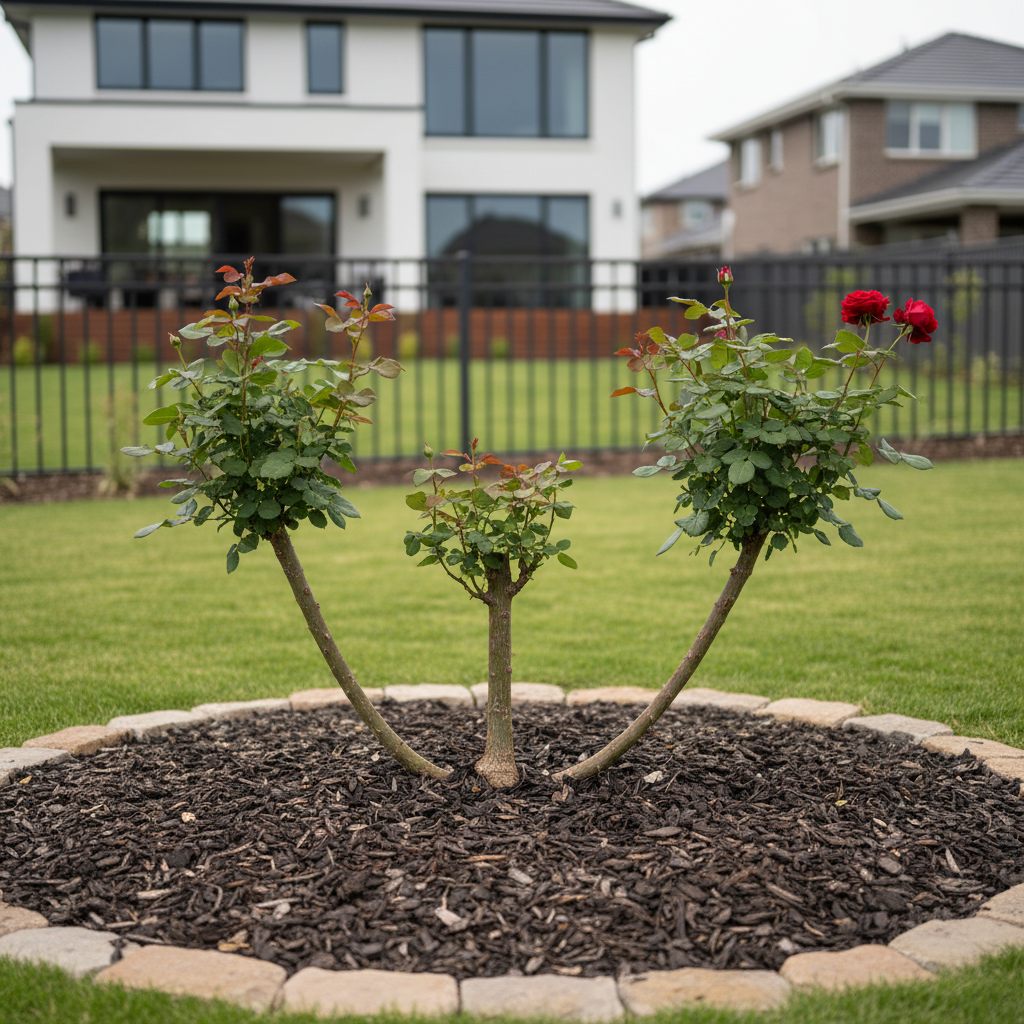
- Aim for an open center on many bush roses, picture a loose vase shape.
- Space main canes so leaves dry faster after rain or irrigation.
- Keep the plant balanced, but don’t chase perfect symmetry, roses rarely cooperate.
A quick self-check: are you pruning too much, too little, or just right?
This is the part people rarely ask, but it matters. Your rose’s response next month tells you more than any rule on the internet.
- If you prune too lightly: lots of thin stems, blooms sit on top of a crowded “broom,” center stays shady and damp.
- If you prune too hard: fewer canes remain, plant may send long whippy shoots and bloom later, especially in cooler springs.
- In a good middle zone: you keep several strong canes, remove clutter, and new shoots emerge from well-placed buds.
Also check your cut quality. Clean, smooth cuts usually heal better than torn ends. If you see crushing, sharpen or replace blades before you keep going.
Scenario-based pruning: hybrid teas, shrub roses, and climbers
Different roses tolerate different levels of pruning, so it helps to match your approach to the plant you actually own, not the one the advice assumes.
Hybrid tea and floribunda (classic bouquet roses)
- Keep a handful of strong, well-spaced canes.
- Shorten canes to encourage sturdy flowering shoots, many gardeners cut to roughly 12–24 inches, but local climate and vigor change this.
- Remove twiggy growth around the base and interior.
Shrub roses (landscape workhorses)
- Thin crowded interior canes and take height down modestly to maintain shape.
- Focus on removing the oldest, least productive canes over time rather than cutting everything short.
- If it’s a repeat-bloomer, deadheading and light shaping through the season usually helps.
Climbing roses (where people overcut)
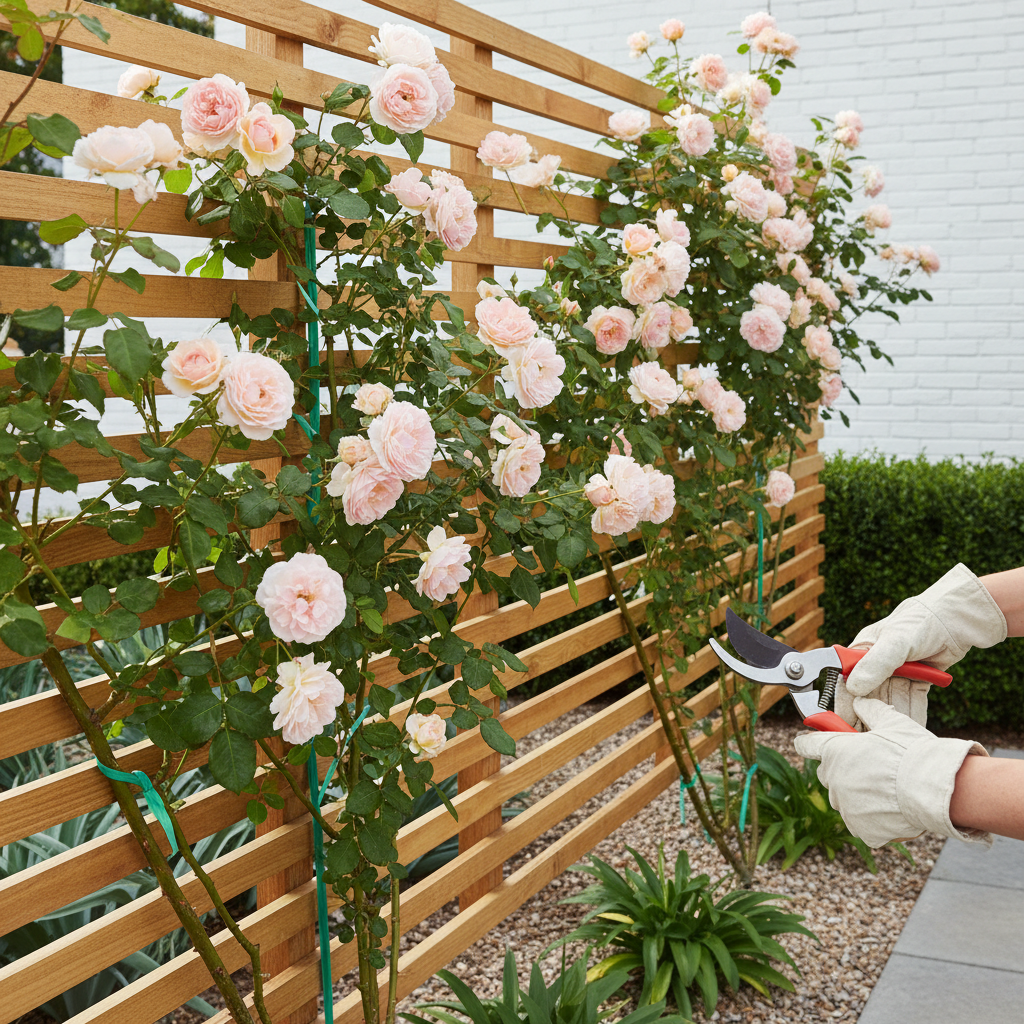
- Preserve long main canes, those are your framework.
- Cut side shoots back to a few buds to encourage flowering along the cane.
- Train canes more horizontally when possible, it often increases flowering points.
If you inherited a climber and have no idea what variety it is, start with thinning and training, then watch when it blooms. Once-bloomers often punish heavy spring pruning by removing the wood that would have flowered.
Aftercare that makes pruning “stick” (water, feed, and cleanup)
Pruning is a stress event, even when it’s helpful, so aftercare often decides whether your rose rebounds fast or sulks.
- Clean up debris: remove fallen leaves and cuttings, especially if you saw disease spotting.
- Water consistently: deep, infrequent watering usually beats daily sprinkles, but adjust for your soil and heat.
- Mulch: helps moderate moisture swings and reduces splash-up on leaves.
- Fertilizer timing: many gardeners feed after spring growth starts, not before, since pushing tender growth into a late frost can backfire in some areas.
According to the USDA, local climate and frost dates vary widely across the U.S., so using your area’s average last frost date as a planning anchor can prevent mistimed early pruning and feeding.
Common mistakes that waste effort (and how to avoid them)
- Dull pruners: torn cuts invite dieback, sharpen before the “big prune.”
- Leaving long stubs: they often die back and look messy, cut closer to a healthy outward bud.
- Pruning at the wrong time for once-blooming roses: you may remove flower buds formed on older wood, if you only get one flush, prune right after it blooms.
- Sealing cuts with paint: this practice varies by region and pest pressure, but many gardeners skip it and focus on clean cuts and plant vigor instead.
- Ignoring plant spacing: pruning can’t fix a rose planted in deep shade or jammed against a wall with no airflow.
Key takeaway: if your rose stays healthy but blooms poorly, the issue might be light, nutrition, or variety, not your technique.
When it’s worth getting local help
If you keep seeing canes turn black from the cut downward, or you have repeated severe pest pressure, it’s smart to ask for local input rather than guessing. A nearby nursery, a certified arborist who works with ornamentals, or your county extension office can usually tell you what’s common in your area and what products or pruning windows are typical.
Also consider help if you’re pruning very old, oversized climbing roses near structures, ladders plus thorns is a bad combination, and a pro can often reset the framework safely.
Conclusion: a simple plan you can repeat each year
how to prune roses with pruning shears gets easier once you trust a repeatable routine, clear out dead and crossing canes, cut above outward buds with a clean angle, then shape for light and airflow. You don’t need perfect cuts, you need consistent decisions.
If you only do two things this week, sharpen your pruners and remove the obvious dead or rubbing wood, then pause and see how the plant looks. From there, one or two more purposeful cuts usually beat twenty nervous ones.