
How to use a pressure washer for beginners comes down to two things: using the right tip and keeping enough distance so you clean without carving up paint, wood, or concrete.
If you have ever blasted a spot and watched it turn fuzzy, striped, or “cleaner than the rest,” you already know why this matters. Pressure washing is fast, but it is also unforgiving, small mistakes show up immediately.
This guide walks you through setup, tip selection, safe technique, and simple starter workflows for driveways, siding, decks, and cars. I’ll also point out the places people tend to overdo it, because that is usually where the trouble starts.
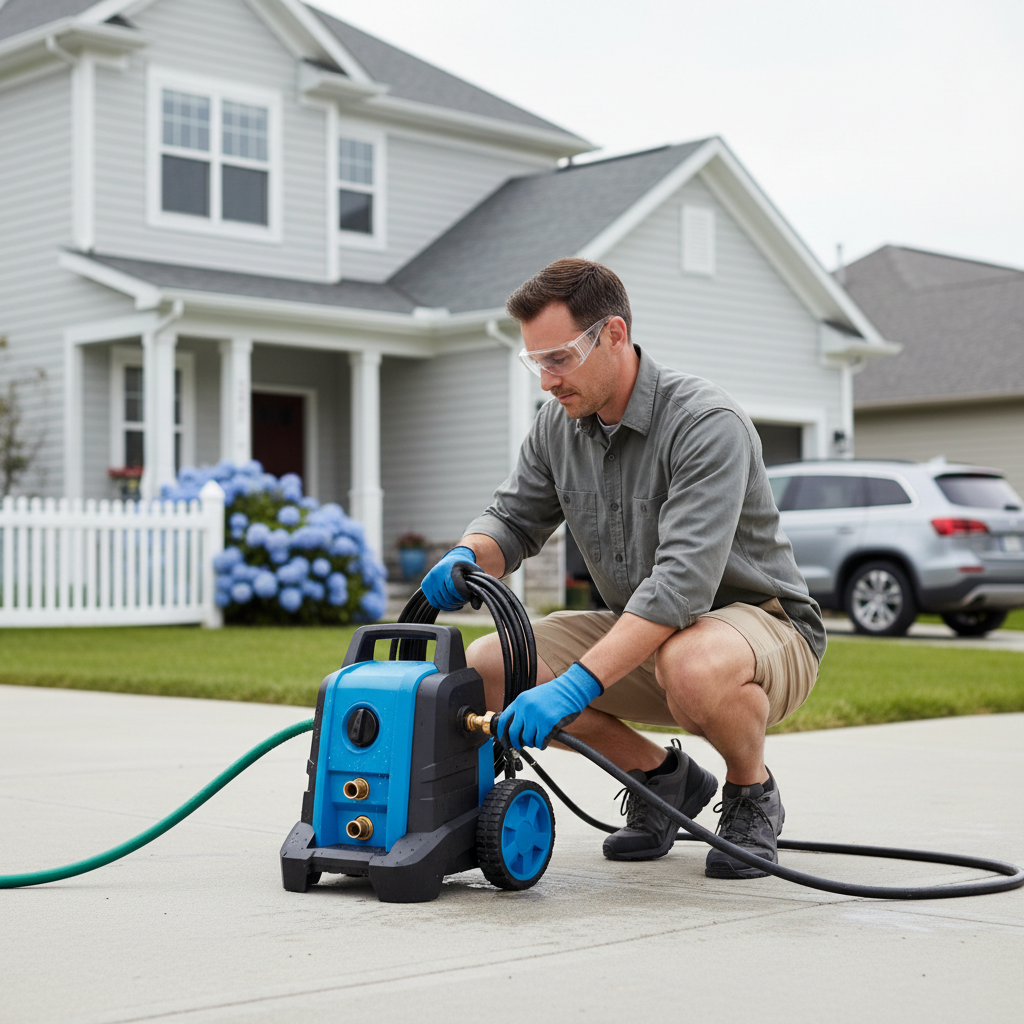
Pick the right machine and understand PSI vs GPM
Most beginner frustration comes from buying “more PSI” and expecting better cleaning everywhere. In practice, PSI is the punch, GPM is the rinse power, you usually want a balanced combo for household jobs.
- Electric pressure washers: quieter, less maintenance, good for cars, patio furniture, small patios, many are forgiving for first-timers.
- Gas pressure washers: more power and flow, better for large concrete areas, tougher grime, but easier to damage surfaces if you rush.
If you rent a unit, ask for one sized for home use, not the biggest commercial option. More power only helps if you can control it.
Quick sizing table (typical homeowner tasks)
| Task | Typical washer type | Tip range | Beginner notes |
|---|---|---|---|
| Car, bike, grill | Electric | 40° / soap nozzle | Use wider fan, keep distance, avoid decals and bearings |
| Siding, fences | Electric or light gas | 25° to 40° | Work top to bottom for rinse, never force water upward under laps |
| Driveway, concrete | Gas (often easier) or strong electric | 15° to 25° | Test in a corner, keep even pace to prevent tiger stripes |
| Decks (wood) | Electric preferred | 40° | Too much pressure furs the wood, consider cleaner + gentle rinse |
Safety basics beginners skip (and regret later)
A pressure washer stream can cut skin and can launch debris back at you. According to OSHA, high-pressure injection injuries can look small but may cause serious internal damage and need urgent medical evaluation.
- Wear eye protection, closed-toe shoes, and gloves with grip.
- Never point the wand at people, pets, or yourself, even “just to test.”
- Keep kids away from the work zone, overspray travels farther than you expect.
- Avoid ladders when possible, the kickback plus wet surfaces is a bad mix, use extension wands instead.
- Watch for electrical hazards, especially near outdoor outlets, AC units, and lighting.
If you are cleaning older paint, especially on pre-1978 homes, paint dust may contain lead. According to EPA, lead-safe practices are recommended when disturbing old paint, when in doubt, consider a pro or test kits.
Self-check: are you ready to wash this surface today?
Before you squeeze the trigger, answer these fast. If two or more feel like a “no,” slow down and adjust your plan.
- Do you know what material you are cleaning, vinyl, painted wood, brick, sealed concrete, composite, or raw wood?
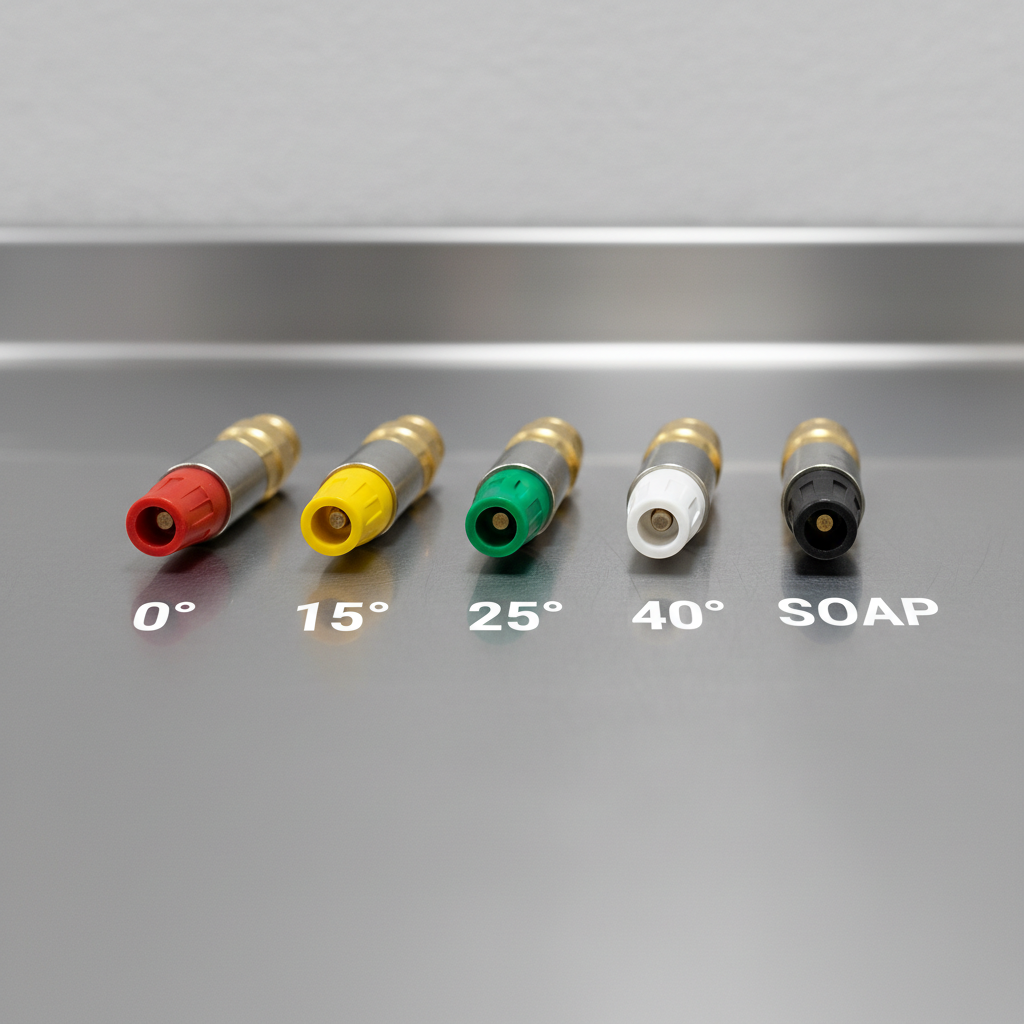
- Do you have the right nozzle, and can you identify it by color or degree?
- Can you keep a steady stance and a consistent distance for long passes?
- Is there a nearby risk area, open windows, cracked caulk, outlets, loose shingles, old paint?
- Do you have a way to protect plants and manage runoff, especially if you use detergent?
Setup: hoses, water supply, priming, and a quick test spray
Most “my washer has no pressure” moments are setup issues, kinked hose, air in the line, clogged inlet screen, or the wrong nozzle.
- Connect garden hose to the inlet, then connect the high-pressure hose to the pump outlet and wand.
- Turn on the water fully before powering the machine, pumps dislike running dry.
- Squeeze the trigger with the machine off for 20–30 seconds to purge air, you should see steady flow.
- Check for leaks at quick-connects, a small drip often turns into annoying pressure loss.
- Start with a 40° tip for your first test, it is the most forgiving for general rinse.
Test on an inconspicuous spot. Start far back, then move closer only until grime starts lifting, that distance is your “working range” for that surface.
Nozzles and technique: distance, angle, and pacing
If you remember one technique rule, make it this: keep the wand moving. Stopping in one spot is how people etch concrete and peel paint.
How to choose the right spray pattern
- 40° (wide fan): safest for beginners, siding rinse, cars, delicate surfaces.
- 25° (general cleaning): concrete, brick, some fences, test first.
- 15° (more bite): stubborn concrete stains, only after you practice control.
- 0° (pencil jet): avoid for beginner cleaning, it can damage materials quickly.
- Soap nozzle: low pressure so detergent can draw, use for applying cleaner, not rinsing.
A simple control recipe that works
- Start 2–3 feet away, then inch closer until you see consistent lift.
- Spray at a slight angle, not straight on, it helps lift dirt and reduces gouging.
- Overlap passes like mowing a lawn, about 20–30% overlap reduces striping.
- For vertical surfaces, rinse downward so you do not drive water behind siding.
Many beginners also underestimate kickback. Brace your elbow near your body, if the wand jumps, your spray line will wobble and leave visible marks.
Step-by-step beginner workflows for common jobs
Here is where “how to use a pressure washer for beginners” becomes practical. Pick the closest workflow and follow it once before improvising.
Driveway or patio concrete
- Sweep first, blasting loose grit just turns it into sandpaper.
- Pre-wet the slab, then apply detergent if you use one, let it dwell per label.
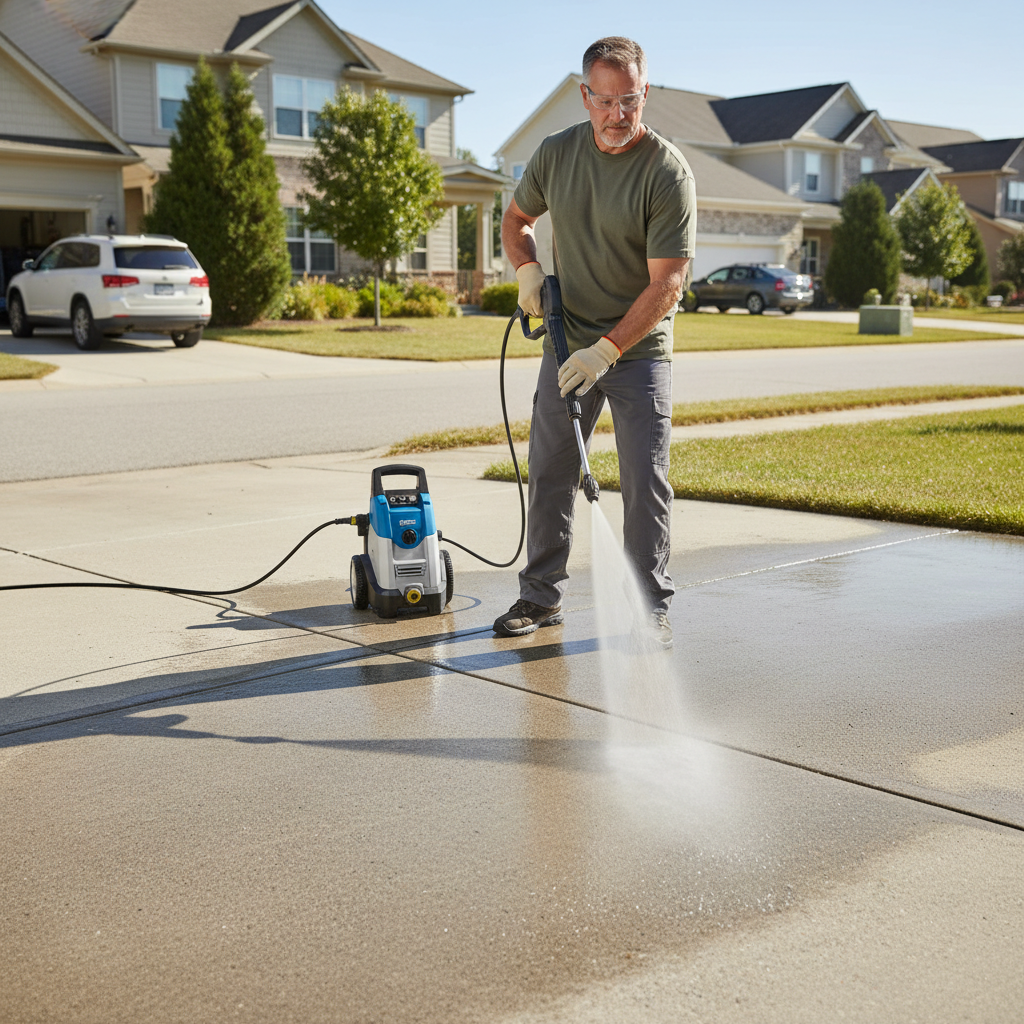
- Rinse with 25° tip, consistent distance, steady pace, keep passes straight.
- For stubborn areas, do a second pass, avoid lingering over one spot.
Striping happens when you pause or change distance mid-pass. If you see stripes starting, widen your fan and back up a little, you can always do another pass.
Vinyl siding
- Close windows, cover exterior outlets if needed, protect plants with a light pre-rinse.
- Use a 40° tip, work from top down for rinse, keep the stream angled downward.
- If using soap, apply from bottom up to reduce streaks, then rinse top down.
If water gets behind panels, you can end up with moisture issues. When siding looks loose or brittle, consider a lower-pressure approach or a soft wash method.
Wood deck (pressure washing carefully)
- Use a 40° tip and keep extra distance, wood is easy to “fuzz.”
- Spray along the grain, not across, and avoid edges where fibers lift.
- Let the deck dry fully before staining or sealing, timing varies by weather.
If the deck is older, pressure can do more harm than good. A deck cleaner plus gentle rinse often looks better than aggressive blasting.
Car wash (without wrecking paint)
- Use soap nozzle to apply foam or detergent, then rinse with 40°.
- Keep distance, avoid spraying directly into door seals, vents, sensors, or underhood gaps.
- Do not use a 0° or 15° tip on paint, it can damage clear coat.
Detergents, dwell time, and rinsing without streaks
Detergent is not mandatory, but it can reduce how much pressure you need, which is usually a win for beginners. Use products labeled for pressure washers and for the surface you are cleaning.
- Apply with the soap nozzle or a downstream injector setup, depending on your machine.
- Let it dwell, but do not let it dry on the surface, especially in direct sun.
- Rinse thoroughly, leftover soap is a common cause of chalky streaks.
Be cautious around plants and storm drains. Many detergents are surface-safe when diluted correctly, but runoff rules can vary by city, if you are unsure, check local guidance.
Common mistakes (and what to do instead)
- Getting too close too fast → Start far, creep in, lock in a safe distance.
- Using a narrow tip to “save time” → Switch to a wider fan and do one extra pass.
- Forgetting to test → Always test in a corner, especially on painted or stained surfaces.
- Washing upward under laps → Angle down on siding, fences, and trim to avoid intrusion.
- Skipping prep → Sweep, pre-wet, and remove obstacles, prep usually prevents 80% of streaking.
If your results look patchy, do not chase spots by blasting harder. Back up, widen the tip, and rewash the whole section evenly, patch fixing often makes it worse.
When to stop DIY and consider a professional
Pressure washing is a DIY-friendly job, but there are clear lines where calling someone may save money and headaches.
- Peeling paint, suspected lead paint, or fragile historic materials.
- Roof cleaning, high slip risk and wrong methods can void warranties.
- Signs of water intrusion risk, loose siding, rotted trim, gaps around windows.
- Stains that may require specialty chemicals, rust, oil saturation, heavy algae, professionals often know what works without overpressure.
If you have safety concerns or you are unsure about chemicals, it is reasonable to consult a local contractor, or at least ask a rental counter for the correct setup for your exact surface.
Key takeaways and a simple next step
You do not need maximum power to get satisfying results, you need control: a wide tip, a steady pace, and enough distance to lift grime without scarring the surface. If you do one thing today, do a test patch with a 40° nozzle and adjust slowly until cleaning looks even.
When you are ready, pick one small project, like a patio section or a set of outdoor chairs, and practice consistent overlapping passes, that muscle memory makes every bigger job easier.
FAQ
How do I know which nozzle to use as a beginner?
Start with a 40° tip for testing because it is less aggressive, then move to 25° only if you need more cleaning power and the surface tolerates it without marks.
How close should I hold the wand to the surface?
Many beginners do better starting 2–3 feet away, then moving closer until dirt lifts consistently. The “right” distance changes by material, paint condition, and tip angle.
Can a pressure washer damage vinyl siding?
Yes, especially if you force water upward or use a narrow tip too close. Keep the spray angled downward and use a wider fan, if panels feel loose, consider a gentler approach.
Is it okay to pressure wash a wood deck?
Sometimes, but it is easy to fuzz wood fibers or leave lap marks. Use a 40° nozzle, extra distance, and steady movement, and consider deck cleaner plus a light rinse for older boards.
Why is my concrete getting “tiger stripes”?
Striping usually comes from inconsistent distance, speed, or overlap. Back up slightly, keep passes straight with 20–30% overlap, and avoid stopping mid-pass.
Do I need detergent, or is water enough?
Water can handle loose dirt, but detergent helps with algae, traffic film, and oily grime, often letting you use less pressure. Just avoid letting soap dry on the surface.
What should I do if the pressure washer surges or loses pressure?
Check for kinks, clogged inlet screen, air in the line, or a partially open water supply. Purging air by running water through the wand before starting fixes many cases.
If you are trying to learn faster, or you want fewer surprises on siding, decks, and concrete, a local tool rental shop or service tech can usually point you to the right tips and detergents for your exact surface, and that small bit of guidance often prevents beginner-level damage.