
The best hot glue gun for crafts and repair is the one that matches your materials, your session length, and how precise you need to be, not the one with the most watts on the box. If your glue strings everywhere, your tip clogs, or your bond pops off after a day, the tool and the glue sticks usually don’t match the job.
Hot glue is one of those “looks simple” tools that can quietly waste hours, a couple dollars in sticks, and your patience. In many homes it’s used for everything from kid crafts to quick fixes, and those are very different use cases.
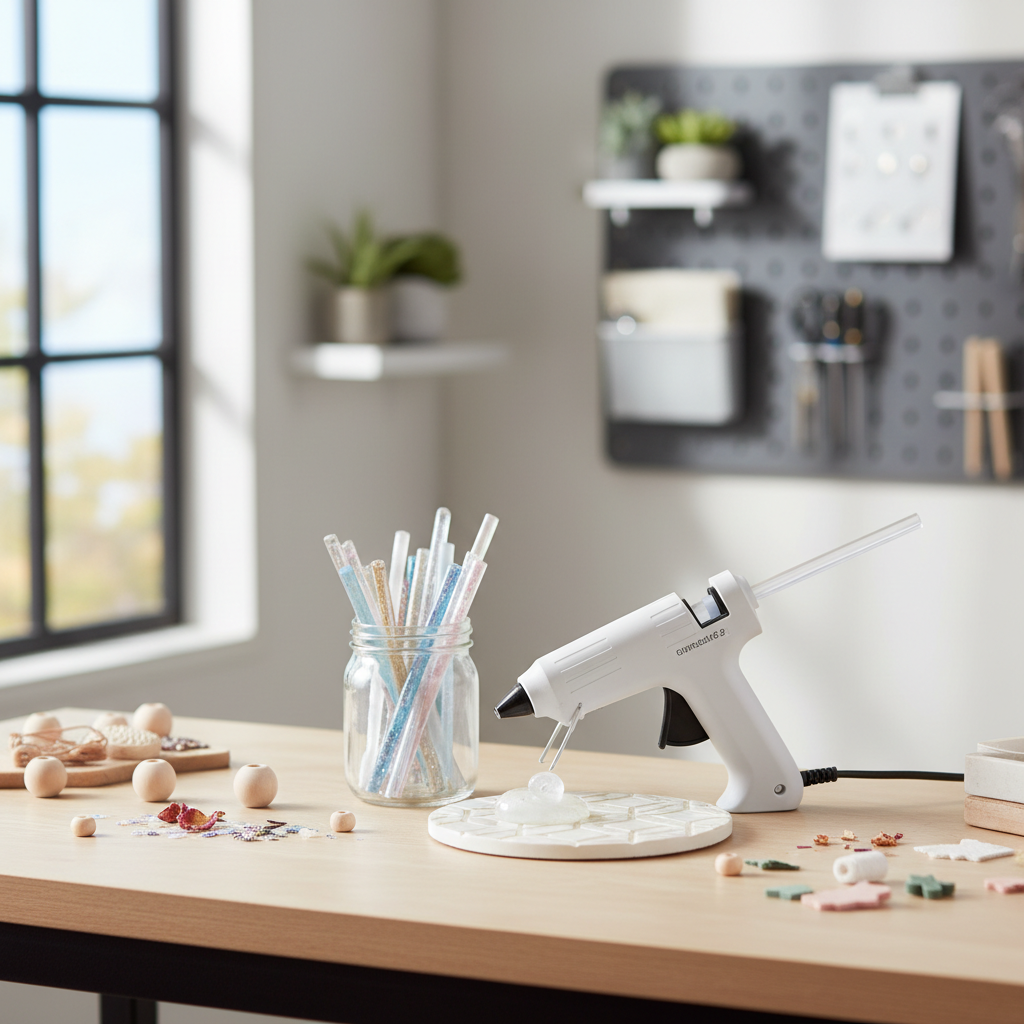
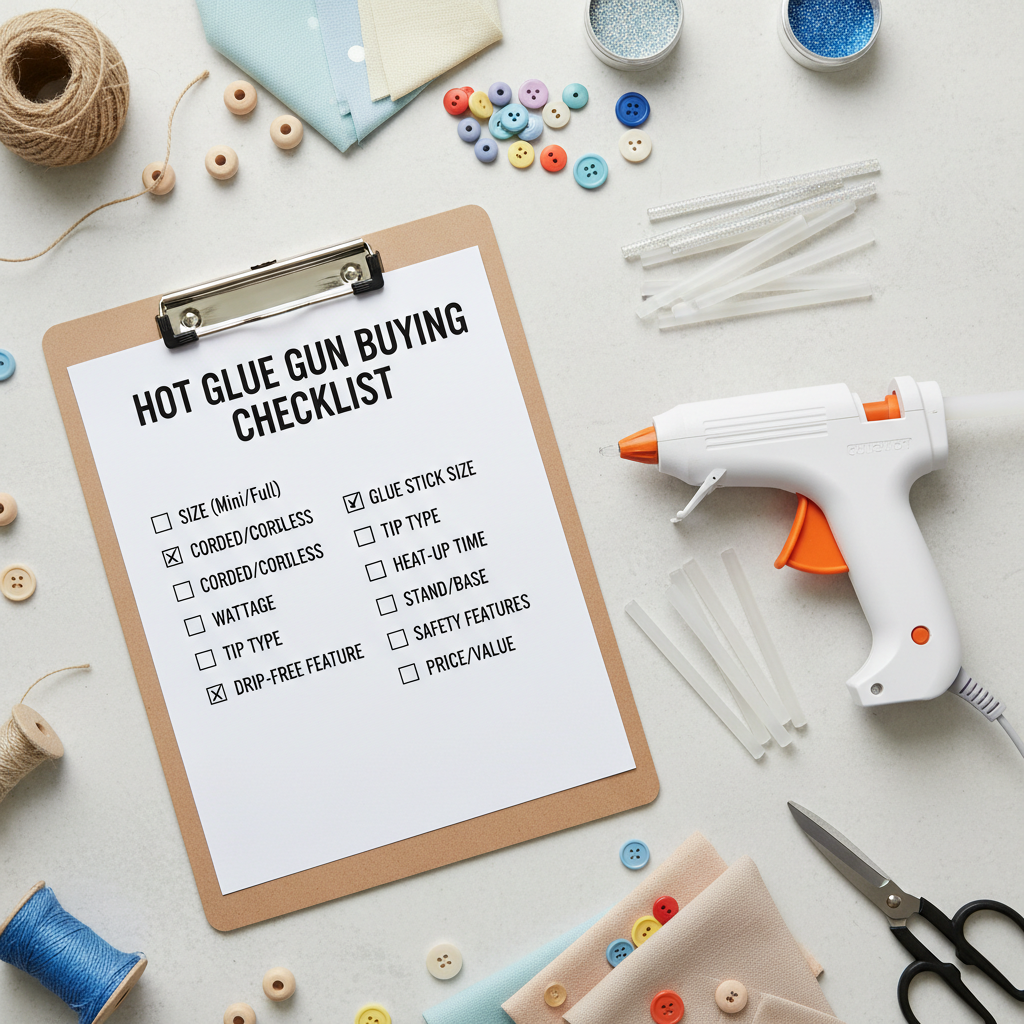
This guide focuses on how to choose the right glue gun in 2026: temperature, power, nozzle control, cordless convenience, and the safety details people skip until they get burned. You’ll also get a quick comparison table and a short “buying checklist” you can use in-store or online.
What matters most when choosing a hot glue gun
Forget the marketing labels for a second and look at the features that actually change your results.
- Temperature type: high-temp, low-temp, or dual-temp determines what materials you can bond without melting or scorching.
- Power and heat recovery: higher wattage often means faster warm-up and better recovery, especially for long beads or continuous use.
- Nozzle and feed control: a clean tip design and smooth trigger reduce dripping and “spiderweb” stringing.
- Stand and base stability: a wobbly stand turns into a glue puddle fast, and sometimes a safety issue.
- Stick size: mini sticks are great for detail, full-size sticks make sense for repairs and longer runs.
According to UL Solutions, using certified electrical tools and following the manufacturer’s safety instructions can reduce risks from overheating and improper use. For glue guns, that translates into caring about basic build quality, insulation, and stability, not just price.
Corded vs cordless: which is better for crafts and repair?
This is usually where people overthink it, so here’s the practical take: corded wins for long sessions and consistent heat, cordless wins for quick fixes and awkward angles.
Corded glue guns
- Better for: big craft batches, holiday décor assembly lines, recurring home repairs, upholstery touch-ups.
- Why: steady temperature means fewer weak bonds and less waiting for reheats.
- Watch for: cord drag pulling the gun off the stand, especially on small tables.
Cordless glue guns
- Better for: quick repairs, car-trunk kits, on-ladder fixes, staging props, school events.
- Why: you can place the bead exactly where you want without fighting the cord.
- Watch for: heat drop during long beads, battery swaps, and inconsistent flow near the end of a charge.
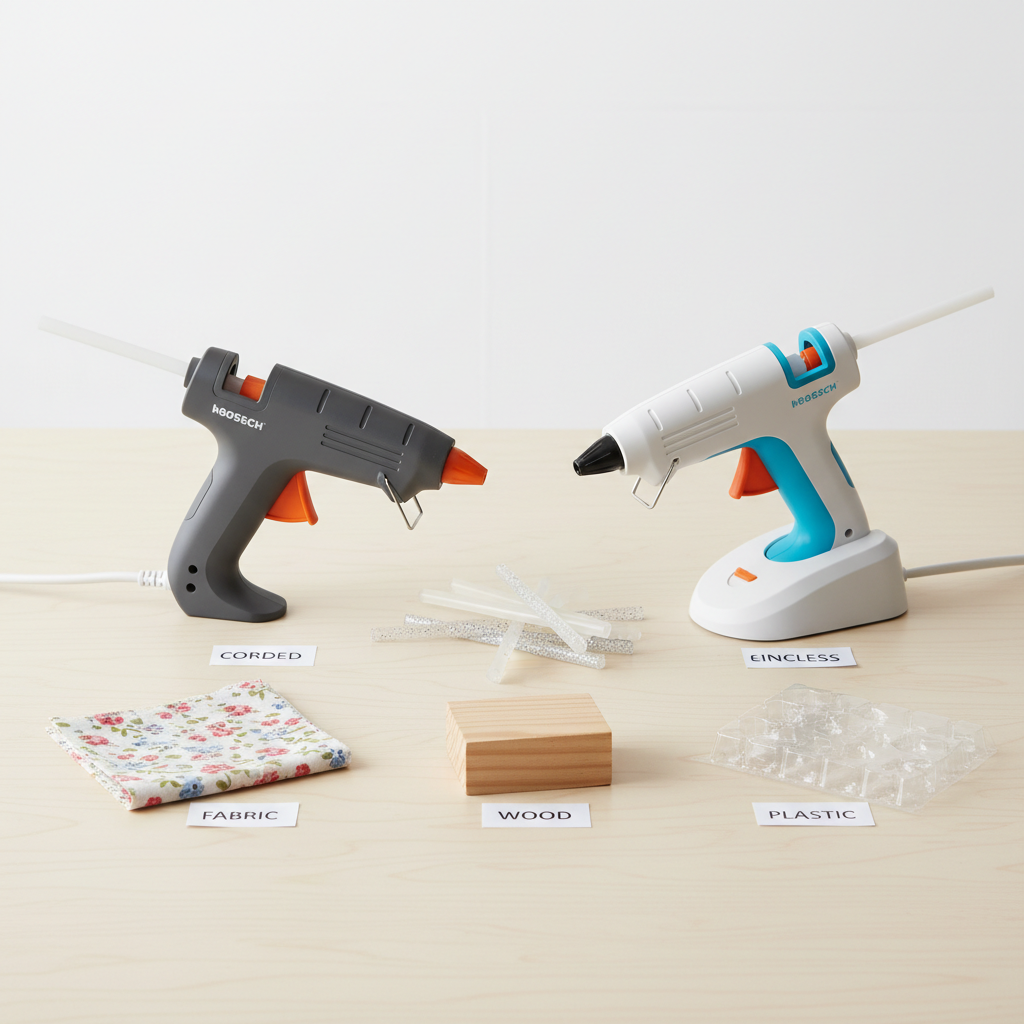
If you’re shopping for the best hot glue gun for crafts and repair and you only want one tool, most households do fine with a reliable corded dual-temp model, then add a small cordless later if you find yourself doing lots of “two-minute fixes.”
High-temp, low-temp, and dual-temp: picking the right heat
Temperature choice affects both bond strength and whether you damage the thing you’re trying to fix.
- High-temp usually suits wood, metal, ceramics, thicker plastics, and heavier décor pieces. It can create stronger bonds in many situations, but it also increases burn risk.
- Low-temp is friendlier for foam, ribbon, delicate fabric, balloons, and many kid craft materials. It can still bond well, just not always for load-bearing repairs.
- Dual-temp is the “one gun” choice if you bounce between school projects and practical repairs.
A common mistake is trying to “force” low-temp glue to hold something structural, then blaming the glue gun. Sometimes the fix is simply switching to high-temp sticks, or using a different adhesive entirely.
Quick comparison table: match the tool to your job
If you want a fast filter, this table is usually enough to narrow your options before you look at brands.
| Use case | Recommended type | Stick size | Why it works | Common pitfall |
|---|---|---|---|---|
| Kid crafts, foam, felt | Low-temp or dual-temp | Mini | Less heat damage, better control | Weak hold on heavy parts |
| Wreaths, décor, floral stems | Dual-temp (or high-temp) | Full-size | Stronger beads, faster work | Drips from leaving it hot too long |
| Small home repairs (plastic/wood) | High-temp | Full-size | Better bond on rigid materials | Wrong glue stick formulation |
| Detail work (jewelry, miniatures) | Low-temp or precision dual-temp | Mini | Finer placement, less mess | Over-squeezing trigger causes strings |
| On-the-go fixes | Cordless (temp depends) | Mini or full-size | No cord, faster setup | Battery heat drop mid-repair |
A self-check list: which category are you in?
If you’re stuck between two models, answer these quickly, you’ll usually see the right choice.
- How long are your sessions? Under 10 minutes often favors cordless convenience, 30+ minutes usually favors corded stability.
- Do you work with foam or delicate fabric? If yes, make low-temp or dual-temp non-negotiable.
- Do you need clean, thin lines? Look for precision tip options and a smoother trigger, mini sticks help.
- Do you fix things that take stress? If the part gets pulled, bumped, or warmed by sunlight, hot glue may not be the right adhesive.
- Do you hate dripping? You’ll want better heat control, a stable stand, and you’ll need to manage dwell time.
Key point: the “best” tool is often the one that reduces your specific failure mode, like drips, weak bonds, or tip clogging.
Practical buying advice for 2026 (what to prioritize)
Product pages change every season, but the priorities stay pretty consistent. If you want fewer regrets, focus on these, in roughly this order.
1) Heat stability over “fast warm-up” claims
Fast warm-up is nice, but heat recovery is what keeps the bead consistent during real work. A gun that reheats quickly after each squeeze tends to feel calmer and less messy.
2) Comfort and trigger feel
If your hand cramps, you squeeze harder, then glue floods out, then you’re scraping strings. A comfortable grip and smooth trigger are not luxury features in craft-heavy households.
3) Stand design and drip management
A wide base, a sturdy kickstand, and space for a drip pad matter more than most people expect. You can also place a silicone mat or a scrap of cardboard under the nozzle, simple but effective.
4) The right glue sticks for the material
Sticks aren’t all the same, even when they look identical. Many brands sell “multi-temp” or “all-purpose” sticks, which can be convenient, but specialized sticks may work better on wood, plastics, or high-flex surfaces. If a repair fails repeatedly, changing the stick type is often the cheapest experiment.
If you’re aiming for the best hot glue gun for crafts and repair because you want cleaner results, pairing a decent gun with consistent sticks usually beats buying the most expensive gun and using random bargain sticks.
How to get cleaner bonds (step-by-step)
Most “hot glue problems” come from technique more than the tool. This routine fixes a lot of them.
- Prep the surface: remove dust and oils, especially on plastic and metal. Rubbing alcohol often helps, but test first on finishes.
- Dry-fit first: know where the part lands, hot glue sets fast, hesitation makes lumps.
- Use steady pressure: a slow, even squeeze reduces strings and bubbles.
- Press and hold: keep pressure until the glue cools enough to resist movement, then let it fully cool before stress-testing.
- Control stringing: after laying a bead, rotate the nozzle slightly and “wipe off” to the side instead of pulling straight up.
For repairs that face heat (car interiors, sunny windowsills, appliances), hot glue can soften. In those cases, consider epoxy, silicone adhesive, or a mechanical fastener, depending on the material and what the part experiences.
Safety notes and common mistakes (worth reading)
Hot glue guns are simple, but the burns are real, and some projects involve materials that react poorly to heat.
- Burn risk: molten glue can stick to skin and keep transferring heat. If you’re prone to rushing projects, consider low-temp for crafts and keep a bowl of cool water nearby.
- Ventilation: most crafting is fine in normal conditions, but if you notice strong odor or smoke, stop and reassess materials and temperature.
- Don’t “park” the gun on its side: many drip disasters start here, and it can damage surfaces.
- Avoid unknown plastics: some plastics can warp or discolor, test a small hidden area if the item matters.
According to the U.S. Consumer Product Safety Commission (CPSC), consumers should follow product safety instructions and supervise children when using tools that can cause burns. If kids craft in your home, adult supervision and a low-temp setup tend to reduce avoidable accidents.
When it’s time to get professional help (or switch adhesives)
If you’re repairing something that affects safety, hot glue is often the wrong tool. That includes electrical cords, structural furniture joints, critical car components, or anything that holds weight above people. In those situations, a qualified repair professional or the manufacturer’s service guidance is the safer route.
Also, if you’re working with valuable items, antiques, or specialty materials, it may be worth asking a craft store specialist or a professional restorer which adhesive makes sense, since “quick fix” glue can complicate later repairs.
Conclusion: picking the right glue gun without overbuying
The best purchases usually look boring on paper: a stable, comfortable glue gun with the temperature range you actually need, plus glue sticks that match your materials. Once you stop asking “what’s the strongest glue gun” and start asking “what fails in my projects,” choosing the best hot glue gun for crafts and repair gets much simpler.
If you want a quick next step, pick your temperature type, decide mini vs full-size sticks, then choose corded or cordless based on session length. That small sequence prevents most buyer’s remorse.
FAQ
- What wattage is good for a hot glue gun for home repairs?
For many home repairs, a mid-to-higher watt corded model often feels more consistent because it recovers heat faster, but wattage alone doesn’t guarantee clean flow. Stand stability and nozzle design matter too. - Is a dual-temp glue gun worth it for crafting?
If you switch between foam or fabric and sturdier materials like wood, dual-temp is usually worth paying a bit more. It’s less about “power” and more about avoiding melted materials. - Why does my hot glue gun drip so much?
Dripping can come from higher heat, thin glue sticks, or leaving the gun hot and idle. A silicone mat, shorter idle time, and a better stand help, and some guns simply control backflow better than others. - Can hot glue be used on plastic?
Sometimes, yes, but results depend on the plastic type and how the item is used. Smooth plastics can release easily; roughing the surface lightly and cleaning it can help, but for stressed parts, another adhesive may be more reliable. - Do mini glue guns hold as strongly as full-size models?
They can for small parts and light loads, but full-size sticks and higher-temp guns tend to perform better for thicker beads and longer seams. It’s a scale issue as much as a strength issue. - What glue sticks should I buy for a multi-temp gun?
Multi-temp or all-purpose sticks are convenient for mixed crafting. If you keep seeing bond failures, try sticks labeled for your material type, and avoid mixing random old sticks when consistency matters. - Is hot glue safe for kids’ projects?
Low-temp guns are generally safer than high-temp options, but burns can still happen. Adult supervision is recommended, and it’s smart to set up a stable work surface and a heat-safe resting spot.
If you’re trying to choose between a few options and want a quicker, less frustrating path, make a short list based on temperature, stick size, and session length, then check for practical details like stand stability and easy-to-find stick refills, that’s usually where the everyday wins come from.