
Grease injector needle tip tools exist for one reason: getting lubricant exactly where you need it on small parts, without smearing grease across everything else. If you work on bearings, linkages, tiny bushings, or hard-to-reach fittings, the needle style often feels like the difference between “done” and “still leaking everywhere.”
It’s worth caring about because small parts usually fail from boring reasons: lack of lubrication, wrong lubricant, contamination, or over-greasing that pushes dirt where it should never go. Precision greasing is not glamorous, but it’s one of those habits that quietly saves money and downtime.
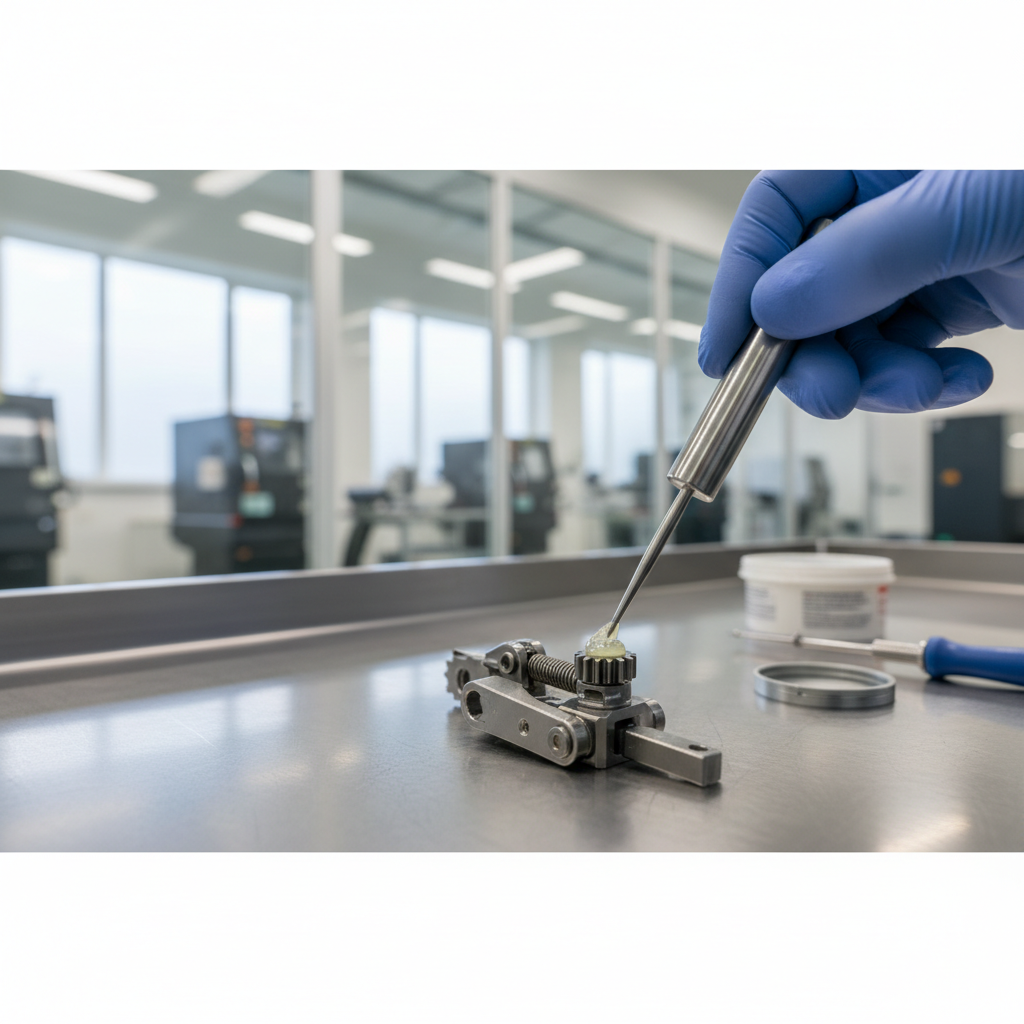
Most people get stuck on the wrong question, “Which grease is best,” when the bigger problem is delivery. A good needle tip can reduce waste, keep grease off belts and sensors, and make you more consistent, especially if multiple techs share the same equipment.
Why needle-tip grease injection works (and when it doesn’t)
A needle tip creates a small, controlled exit point for grease, which matters when the target area is smaller than your nozzle or when the part sits behind a guard, inside a housing, or next to components that cannot be contaminated.
- Better placement: You can hit a pin joint, micro-bearing, or narrow channel without flooding the surrounding area.
- Less cleanup: Lower chance of grease migrating to belts, brake surfaces, optical sensors, or electrical connectors.
- Lower risk of over-greasing: A smaller outlet makes it easier to add grease gradually and stop at the right moment.
But needle tips are not magic. If the grease is too stiff for the needle ID, if the part requires high-volume delivery, or if you’re dealing with a standard Zerk that needs a coupler, a needle setup can be the wrong tool and lead to frustration.
Common small-part lubrication scenarios (real-world use cases)
Where a grease injector needle tip usually shines is anywhere “standard” grease fittings don’t help, or where the fitting is absent entirely.
- Small bearings and bushings on hobby machines, light industrial assemblies, and precision fixtures.
- Linkages and pivots where you only have a seam or gap, not a service fitting.
- O-rings and sliding rails that need a tiny bead of compatible grease, not a blob.
- Hard-to-reach points behind shields where you can see the target but cannot align a coupler.
In automotive and powersports, people also use needle tips for U-joints and tight joints, but you still need to respect the design of the joint. Some joints want grease through a fitting, not “injected wherever it fits.”
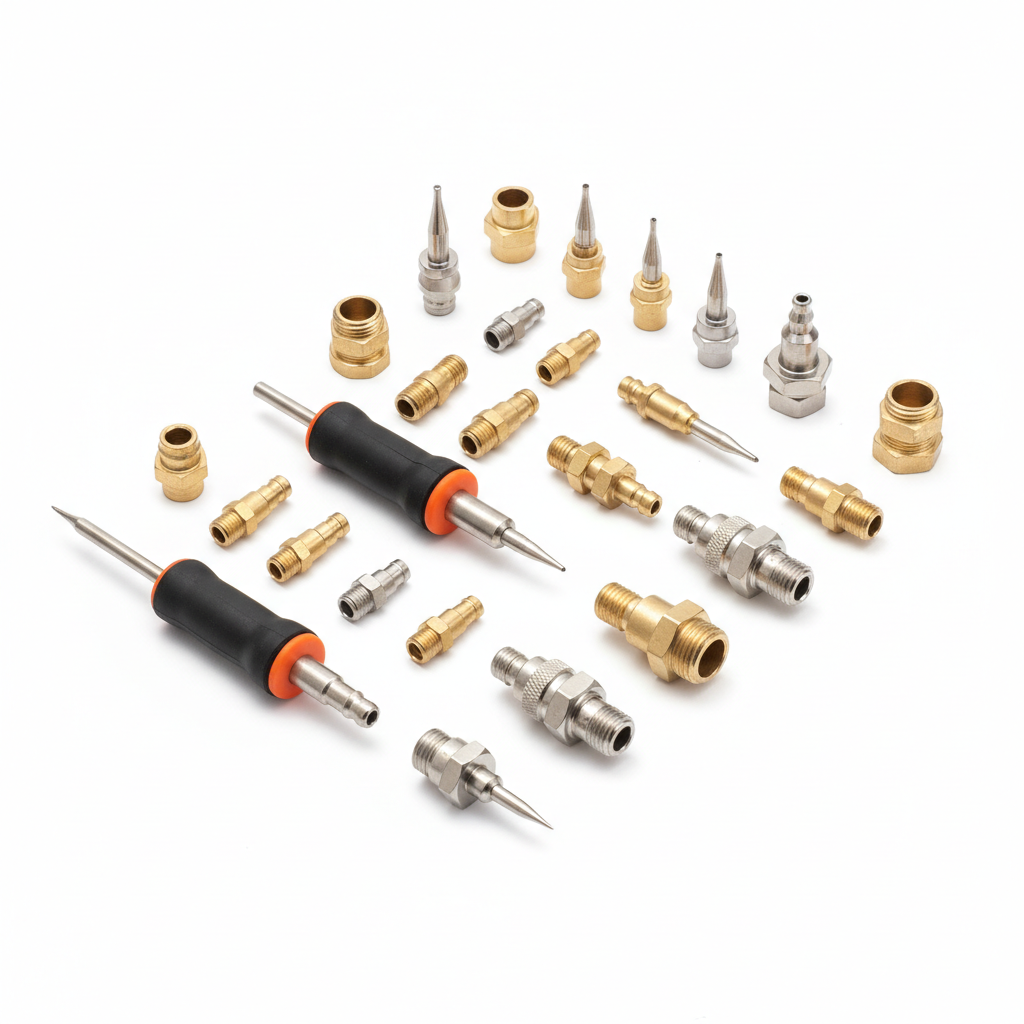
Selection checklist: what to look for before you buy
Needle tips look similar online, then the first job exposes the differences. Use this quick checklist to narrow it down.
- Needle gauge and inner diameter: Smaller gauges give finer placement, but can clog more easily with high-viscosity grease.
- Material and corrosion resistance: Stainless steel often holds up better in humid shops, marine work, and washdown environments.
- Connection type: Confirm the thread or quick-connect matches your injector, grease gun, or syringe body.
- Pressure tolerance: If you use a lever gun or pneumatic setup, verify the tip is rated appropriately to reduce burst risk.
- Tip geometry: Some needles are straight, others have slight tapers; bent or angled options help with access.
Also think about your grease itself. A thick NLGI 2 grease may behave very differently from a softer grease or oil, and the wrong match makes a needle feel “bad” when it’s really a viscosity issue.
Quick self-test: do you need a needle tip, a coupler, or a syringe?
If you’re unsure what tool belongs in the drawer, this is the fastest way to decide.
- You likely need a needle tip if there is no fitting, the target area is a narrow gap, or you need a pea-sized amount with clean placement.
- You likely need a standard coupler if the equipment has a Zerk fitting and wants grease under normal delivery, especially on chassis and heavy pivots.
- You likely need a syringe-style injector if you’re measuring tiny quantities, working with specialty lubricants, or doing repeatable assembly work.
When in doubt, match the tool to the maintenance intent: service fitting means coupler, micro-application means needle or syringe, high-volume purge means not a needle.
How to use a grease injector needle tip without making a mess
The technique is simple, but the small steps matter. The goal is controlled flow, minimal contamination, and a clean end state.
Step-by-step (shop-friendly)
- Clean first: Wipe the area with a lint-free cloth. If grit sits near the joint, injecting grease can push contamination inside.
- Confirm compatibility: Use the grease specified by the equipment maker when available. Mixing greases can cause thickening or separation in some cases.
- Prime the tip: Push a small amount until you see fresh grease at the needle, this reduces air pockets and sudden “burps.”
- Stabilize your hand: Brace fingers on the housing so the needle doesn’t slip, small parts do not forgive a sudden poke.
- Inject slowly: Add a little, pause, watch for movement or slight purge. Stop before it squeezes out everywhere.
- Wipe and inspect: Remove excess grease from the exterior, then check that the joint moves smoothly.
According to OSHA, good housekeeping and controlling slip hazards are basic workplace safety practices; spilled lubricants can contribute to slips in many environments, so keeping grease contained is not just “being neat.”
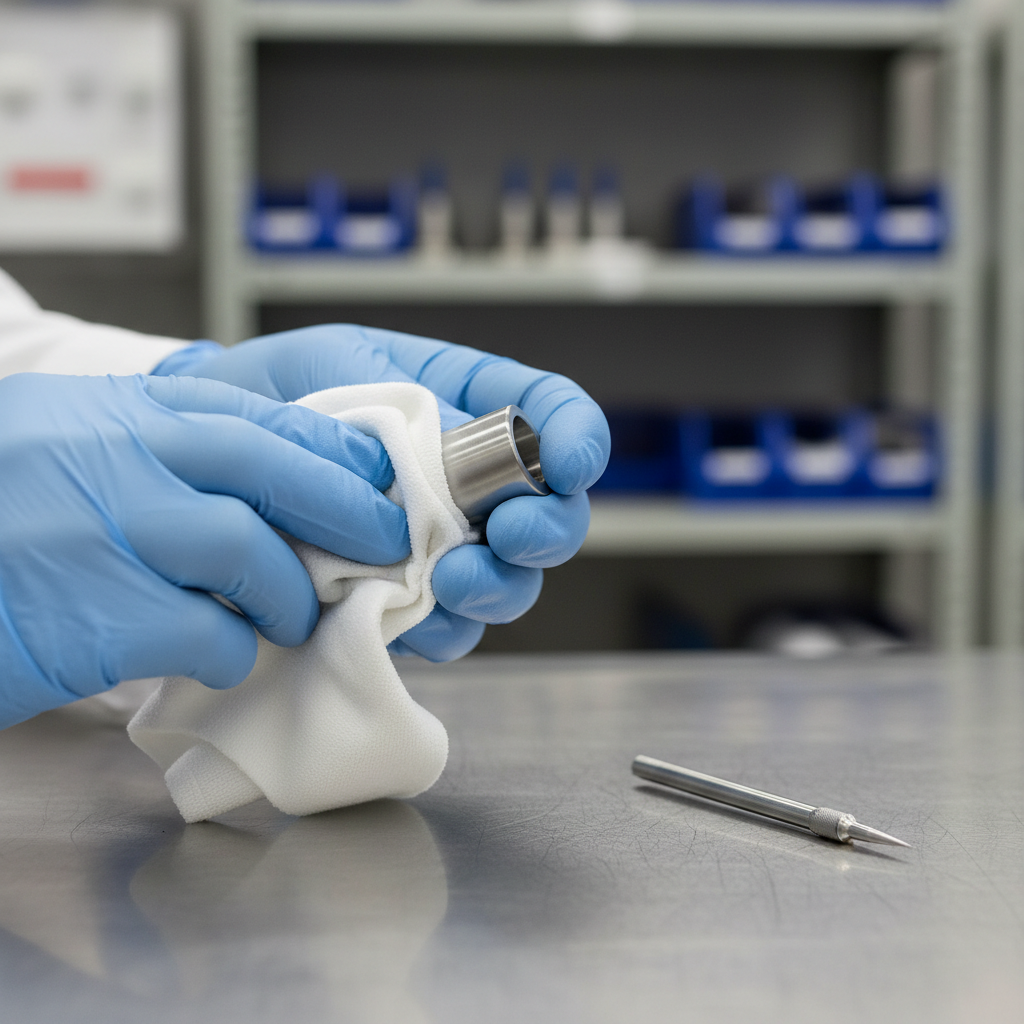
If you keep bending needles or snapping tips, it’s usually from side-loading. Let the grease flow do the work, not brute force pressure against the part.
Needle tip vs. alternatives: a practical comparison
This table is a quick reality check for small-part lubrication. The “best” option depends on access, volume, and how repeatable the job needs to be.
| Tool | Best for | Tradeoffs |
|---|---|---|
| Grease injector needle tip | Precision application into seams, tiny joints, narrow channels | Can clog with stiff grease; not ideal for high-volume purging |
| Standard grease gun coupler | Zerk fittings, routine chassis/service points | Needs fitting access; can over-grease small assemblies fast |
| Syringe applicator | Measured doses, assembly work, specialty lubricants | Slower; may not handle high-pressure delivery well |
| Brush or swab | Open surfaces, rails, exposed gears | Higher contamination risk; hard to keep consistent amounts |
Mistakes that waste grease (and how to avoid them)
A lot of “needle tip problems” are actually process problems. Here are the ones I see most often in maintenance checklists and shop routines.
- Skipping cleaning: Dirt at the entry point turns grease into grinding paste inside the joint.
- Overfilling small cavities: Excess grease can push seals out of position or attract debris.
- Using the wrong viscosity: If you have to fight the handle to get flow, the needle may be too restrictive for that grease.
- Mixing incompatible greases: Even if it “looks fine,” some mixes can break down sooner than expected.
- Storing tips uncovered: Open needles pick up dust, then you inject that dust into the part.
Also, don’t assume more grease equals more protection. Many small mechanisms prefer a thin film, not a packed cavity.
Maintenance, storage, and safety notes (small habits, big payoff)
A grease injector needle tip lasts longer with basic care, and the work stays safer. None of this is complicated, it’s just easy to ignore until a clog or poke happens.
- Cap the needle between uses to limit debris entry.
- Flush occasionally with a compatible lubricant or replace tips that repeatedly clog, forcing them often bends the needle.
- Label lubricants so different greases don’t share the same injector body by accident.
- Wear gloves and eye protection when pressure is involved; accidental discharge can irritate skin or eyes, and high-pressure injection injuries, while not common, are serious and need urgent medical attention.
According to NIOSH, high-pressure injection injuries can be dangerous and should be treated as medical emergencies. If you suspect injection under the skin, do not “wait it out,” seek professional care immediately.
Key takeaways and a practical next step
If you deal with tiny parts, a grease injector needle tip can be the cleanest way to lubricate without collateral mess, as long as you match needle size to grease viscosity and keep the tip clean. The quickest upgrade is usually not buying more grease, it’s tightening your application method and standardizing tools across the bench.
Pick one small assembly you service often, set a consistent “clean, inject slowly, wipe, inspect” routine, and see if your rework drops. If the needle keeps clogging or you need purge flow, switch to a different delivery tool instead of forcing it.
FAQ
What is a grease injector needle tip used for?
It’s used to deliver grease into tight spaces and small joints where a standard nozzle is too bulky, especially when you want controlled placement and less mess.
Will a needle tip work with any grease gun?
Not always. Compatibility depends on the connector and thread type, plus whether your grease gun pressure and grease viscosity fit the needle’s flow limits.
Why does my needle tip keep clogging?
Clogs often come from thick grease, cold temperatures, or debris entering the tip during storage. A slightly larger needle ID, better capping, or warming the grease can help in many setups.
Can I grease a bearing through the seal with a needle tip?
Sometimes people do, but it’s easy to damage seals or introduce contamination. If the bearing has a specified lubrication method, follow that guidance or ask a mechanic/technician familiar with the equipment.
How much grease should I inject into a small joint?
Usually less than you think. Add small amounts and watch for slight purge or smoother motion; if grease immediately squeezes out, you’re likely past the useful amount.
Is it safe to use a needle tip at high pressure?
It can be, but you should confirm the tip’s rating and use protective gear. If you work with high-pressure equipment, treat injection risks seriously and consult a safety professional when setting procedures.
Needle tip vs. syringe: which is better for tiny parts?
If you need repeatable, measured doses, a syringe is often easier. If you need to reach into a crevice on an installed part, a needle tip on an injector can be more convenient.
If you’re trying to lubricate small parts cleanly and you keep fighting access or cleanup, it may help to standardize one needle size for “light precision” work and keep a syringe option for measured applications, that small change often makes the whole workflow feel less improvised.