
Leather work gloves heavy duty options can look similar on a shelf, but the wrong pair shows up fast: torn seams, slippery grip, stiff fingers, or a cuff that lets sparks and splinters sneak in.
If you use tools all day, haul rebar, split wood, weld, or work around rough edges, gloves are not a “nice-to-have”, they are part of your safety system. The goal is simple: reduce cuts, abrasions, heat contact, and fatigue without making you clumsy.
This guide breaks down what actually matters when choosing heavy-duty leather gloves, how to self-check your work conditions, and how to pick the right leather, liner, and cuff for your job so you waste less money on pairs that fail early.
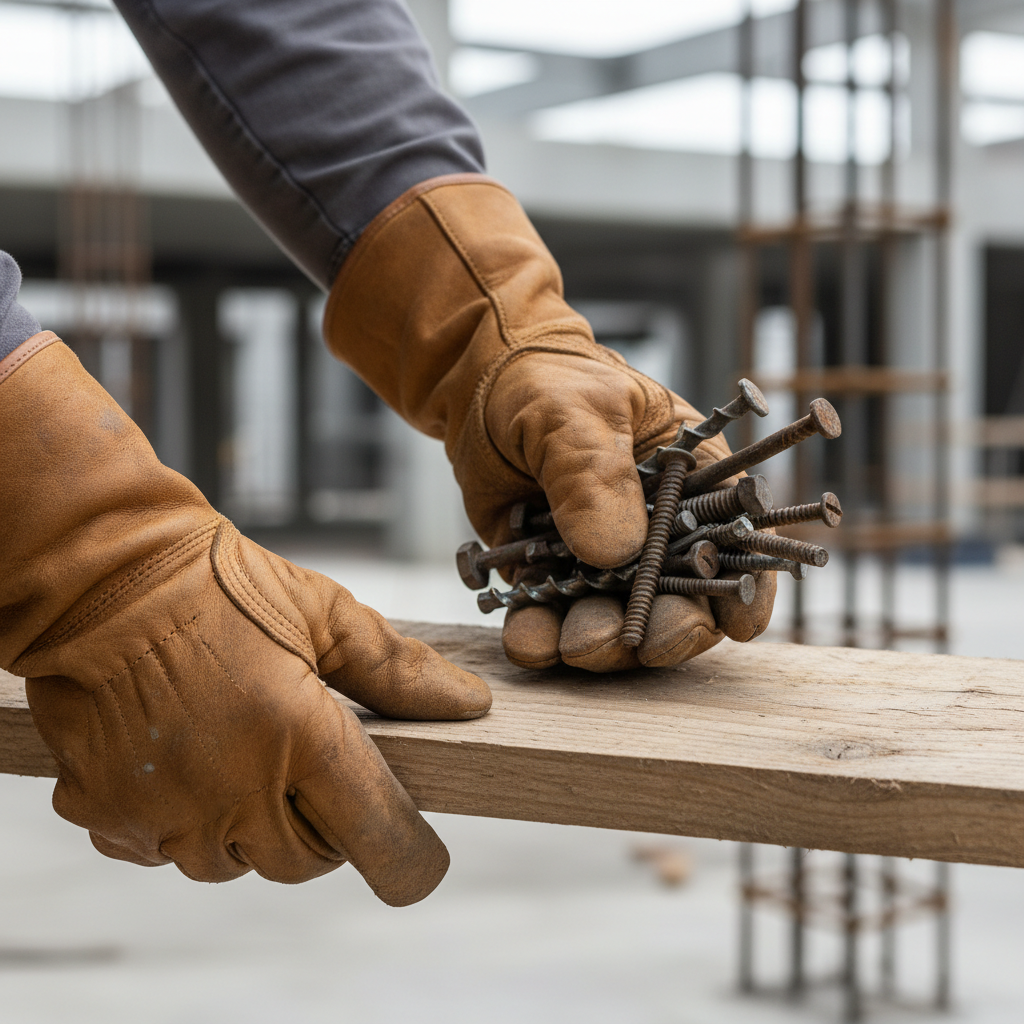
What “heavy duty” really means for leather work gloves
“Heavy duty” is not a single standard, it is usually a mix of leather thickness, reinforcement, stitch quality, and task-specific features. A glove can be thick and still fail if the stitching pops, the palm patch peels, or the fit forces you to over-grip tools.
Practically, heavy-duty gloves tend to include:
- Full-grain or top-grain leather (better durability than many split-leather builds)
- Reinforced palm/thumb saddle where most wear happens
- Higher-tensile stitching and protected seams in high-abrasion zones
- Work-appropriate cuff (short cuff for dexterity, gauntlet for coverage)
One more reality check: “heavy duty” should match your job hazards. A thick glove is not automatically safer if it makes you lose tool control. Many incidents start with reduced dexterity.
Why leather gloves fail early (and how to avoid the common traps)
Most early failures come from mismatch, not “bad leather”. People buy one glove style and expect it to cover demolition, landscaping, welding, and wet work. It rarely does.
Common failure points you can spot before buying
- Seam blowouts: tight fit across knuckles or cheap thread, you feel it when you make a fist and the seam strains.
- Palm burn-through: no reinforcement where you pull rope, carry block, or run vibrating tools.
- Slick grip: smooth leather plus dusty conditions can slip, especially on fiberglass handles.
- Stiffness that never breaks in: overly thick leather without articulation points can stay “boardy”.
- Wrong glove for moisture: leather can dry out or harden after repeated soaking if not treated.
According to OSHA, employers should select hand protection based on the specific hazards present in the workplace. That same idea applies if you are buying for yourself: pick for the hazard, not the label.
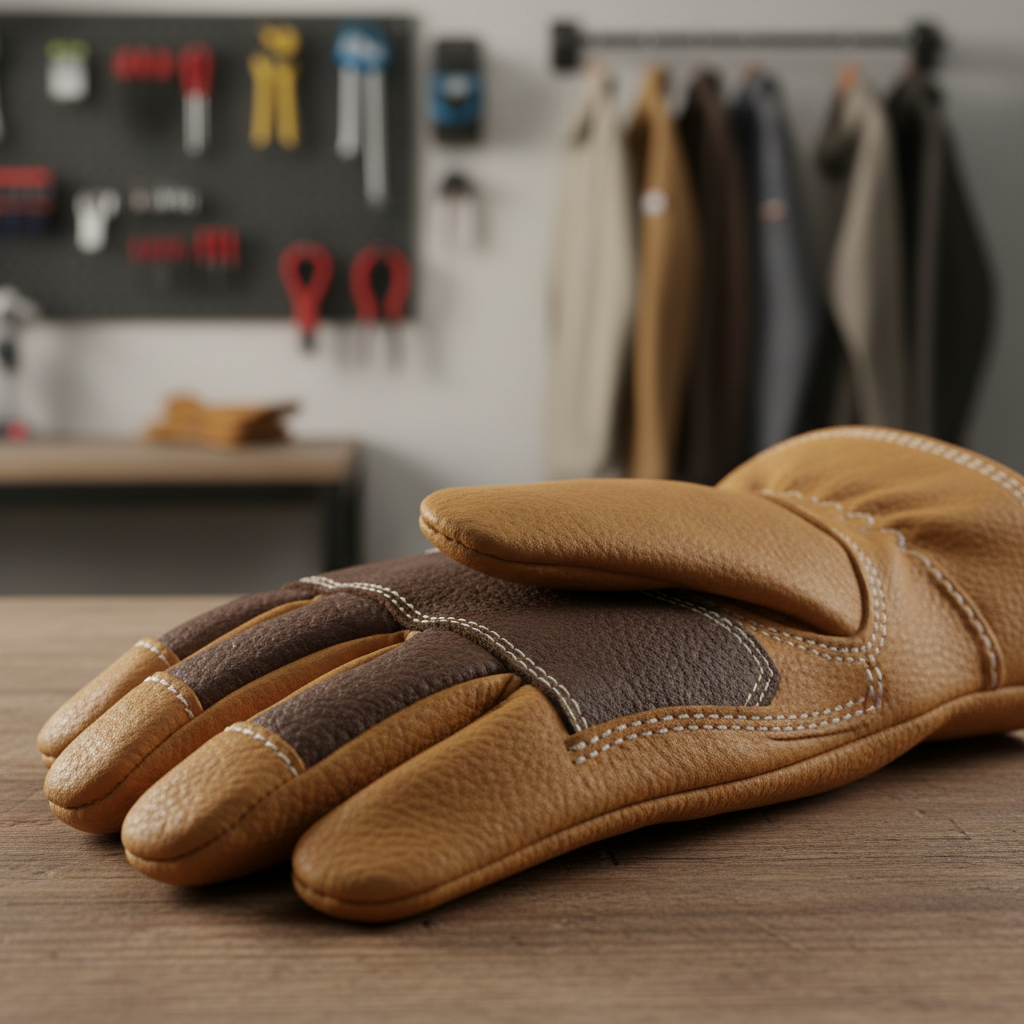
Quick self-check: which glove build fits your work?
If you want a pair that lasts, start with a fast classification. This takes 60 seconds and saves you the “drawer of dead gloves” problem.
- Main contact risk: abrasion, splinters, heat contact, sharp edges, vibration, chemicals, or wet conditions
- Tool control needed: high (fasteners, trigger tools), medium (material handling), low (rough carry)
- Wear pattern: palm drag, thumb web wear, knuckle rub, fingertip burn-through
- Environment: hot, cold, dusty, oily, wet, or mixed
If you regularly face cut hazards, you may need cut-rated protection in addition to leather. According to NIOSH, hand injuries are common in many industries, and glove selection should consider the specific task and exposure; if you are unsure about cut level needs, it can be worth asking a safety manager or qualified professional.
Leather types, liners, and cuffs: what to choose (with a simple table)
Leather choice affects feel and lifespan more than most people expect. “Better” depends on use: some jobs need heat tolerance, others need dexterity or water resistance.
| Feature | Best for | Trade-offs to expect |
|---|---|---|
| Cowhide (full/top grain) | General construction, material handling, abrasion | Can feel bulky in thicker builds |
| Goatskin | Dexterity work, tool handling, driving equipment | Often less abrasion life than thick cowhide |
| Pigskin | Breathability, mixed dry/wet conditions | Varies a lot by grade and tanning |
| Split leather | Budget use, some welding builds | Can wear faster; quality spread is wide |
| Lined (cotton/fleece) | Cold weather, longer wear comfort | Less tactile feel; dries slower if wet |
| Gauntlet cuff | Welding, grinding sparks, brush clearing | Less wrist mobility in tight spaces |
For many buyers, the sweet spot is a durable leather shell with a reinforcement patch and a cuff that matches the hazard. If you are shopping specifically for welding, look for longer cuffs and heat-focused construction rather than just thicker leather.
How to pick the right pair: practical steps that work in-store or online
Buying gloves online is convenient, but it makes sizing and construction checks harder. Here is a workflow that tends to prevent regrets.
Step-by-step selection
- Define the top two hazards you deal with weekly (example: abrasion + heat contact, or splinters + oily grip).
- Choose the leather by feel needs: if you need frequent trigger control, avoid the thickest builds and prioritize articulation and a better cut.
- Look for reinforcement where you actually wear out: palm patch, thumb saddle, fingertips, or knuckle guard.
- Check closure: an open cuff is fast on/off; a hook-and-loop wrist helps keep debris out.
- Confirm sizing with intent: if you plan to add liners in winter, size accordingly; if you need dexterity, do not “size up for comfort”.
Key points to verify on product pages
- Leather type and whether it is full-grain, top-grain, or split
- Reinforcement notes (palm patch, double palm, thumb saddle)
- Stitching and seam placement photos
- Use case claims that match your task (material handling vs welding vs landscaping)
- Return policy, because fit matters
If you are comparing leather work gloves heavy duty models across brands, use the same checklist each time. It keeps you from getting swayed by marketing names.
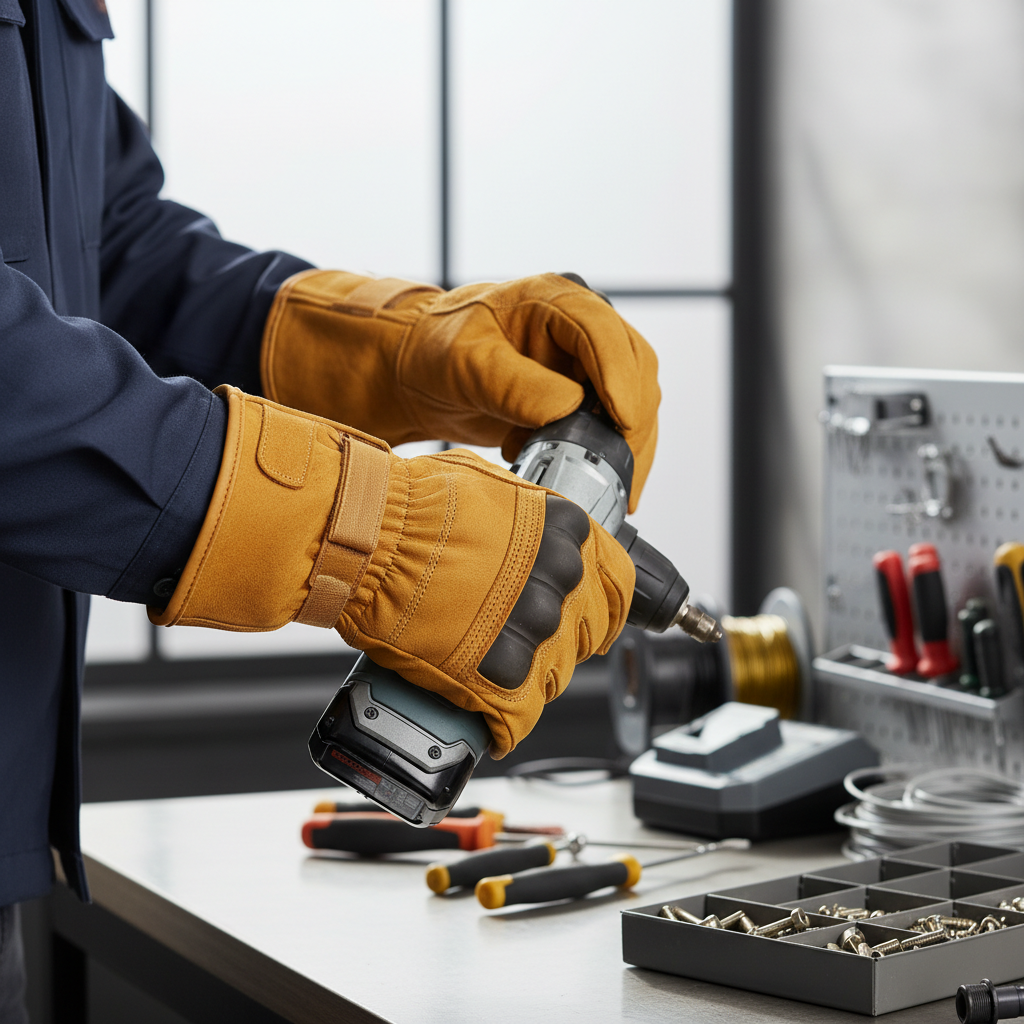
Care and maintenance: make heavy-duty leather last longer
Leather is tough, but it still ages. Most people either never clean gloves, or they soak them and ruin the finish. A little maintenance can extend usable life, especially if your work swings between dust, sweat, and occasional moisture.
- Brush off grit after the shift, grit acts like sandpaper at the seams.
- Air dry only if wet, keep away from direct heat; forced heat can stiffen and shrink leather.
- Condition occasionally with a leather conditioner suited for work gear; go light, too much can make grip feel slick.
- Rotate pairs if you work daily, letting leather rest and dry reduces cracking.
- Retire at the right time: when holes, split seams, or hardened leather reduce protection or control, replacement is usually cheaper than an injury.
For jobs involving chemicals, oils, or unknown residues, leather may not be the right barrier. In those cases, consider task-specific gloves and consult your safety lead or product SDS guidance.
Common mistakes to avoid (the stuff that costs you money)
Some mistakes show up in almost every crew, and they make people think “all gloves are junk”. Often it is just the wrong match.
- Buying too thick to “be safe”, then losing dexterity and ripping seams because the fit is off.
- Ignoring cuff choice: short cuffs are great until you work around sparks, thorns, or falling debris.
- Assuming leather equals cut-proof: leather resists abrasion well, but cut resistance varies; if blades or sharp sheet edges are common, look for cut-rated builds.
- Wearing wet leather for days: it can stiffen, crack, and start rubbing your skin.
- Using one pair for every task: keep a “rough handling” pair and a “precision” pair if your day includes both.
Key takeaway: the best glove is the one you can keep on. If the glove is uncomfortable or clumsy, people take it off, and protection drops to zero.
When you should get professional guidance
If your work includes high-cut hazards, electrical exposure, molten metal, or chemical handling, glove choice can become a compliance and training issue, not just comfort. In those situations, it is smart to consult a safety professional, supervisor, or your company’s PPE program guidance.
Also, if you have recurring skin irritation, numbness, or hand pain, gloves may be part of the picture but not the whole story. A qualified clinician or occupational health professional can help you figure out whether fit, vibration exposure, or another factor plays a role.
Conclusion: a smarter way to buy heavy-duty leather gloves
Good heavy-duty gloves are not magic, they are a match between your hazards, your dexterity needs, and the glove’s leather, reinforcement, and cuff. Once you start buying by wear pattern and task, you stop overpaying for features you do not use and you stop cheaping out where it hurts.
If you want an easy next step, do this: write down your top two hazards and where your last pair wore out, then pick one glove optimized for that reality, not for “general purpose”.
FAQ
What are leather work gloves heavy duty best used for?
They are usually strongest in abrasion-heavy jobs like material handling, construction tasks, landscaping, and rough carry work. If sharp-edge cuts or chemicals are primary hazards, you may need a different glove type or a cut-rated hybrid.
Do heavy-duty leather gloves protect against cuts?
They can help with minor nicks and abrasion, but cut resistance varies a lot. If you frequently handle sheet metal, glass, or blades, look for gloves with a stated cut rating and consider getting advice from a safety pro.
Which leather is most durable for work gloves?
Many people find thicker full-grain or top-grain cowhide holds up well for abrasion, but durability also depends on stitching, reinforcement, and how wet or gritty your job runs. Goatskin often feels better for dexterity, even if it may wear faster in harsh abrasion.
Should I size up in heavy-duty leather gloves?
Only if you truly need room for liners or your current size pinches when you make a fist. Oversizing can reduce tool control and cause seam stress, which shortens glove life.
How do I soften stiff leather work gloves?
Wear them for short sessions and let them warm up and flex naturally, that usually beats aggressive soaking. If they feel dry, a light leather conditioner can help, but too much conditioning can reduce grip.
Are lined leather gloves worth it?
In cold weather or long wear days, lining can improve comfort and reduce rubbing. The trade-off is less tactile feel and slower drying if they get wet.
Can I use heavy-duty leather gloves for welding?
Sometimes, but welding gloves are typically built with longer cuffs and heat-focused materials and seams. If you weld regularly, choosing a glove labeled for welding is usually the safer move.
If you are trying to standardize PPE for a crew, or you keep burning through gloves on the same seam or palm spot, it may be worth narrowing the choice to two purpose-built pairs, one for rough handling and one for precision, so you get protection without fighting your hands all day.