
tool belt pouch adjustable is usually the difference between a belt that helps you work and a belt that fights you all day, slipping, bouncing, or digging into your hip every time you bend over.
If you do carpentry in the U.S., you already know the pain points, a pouch that rides too low bangs your thigh on stairs, a pouch that sits too far forward hits your knee when you crouch, and a pouch that won’t tighten just turns into a sagging bucket by lunch.
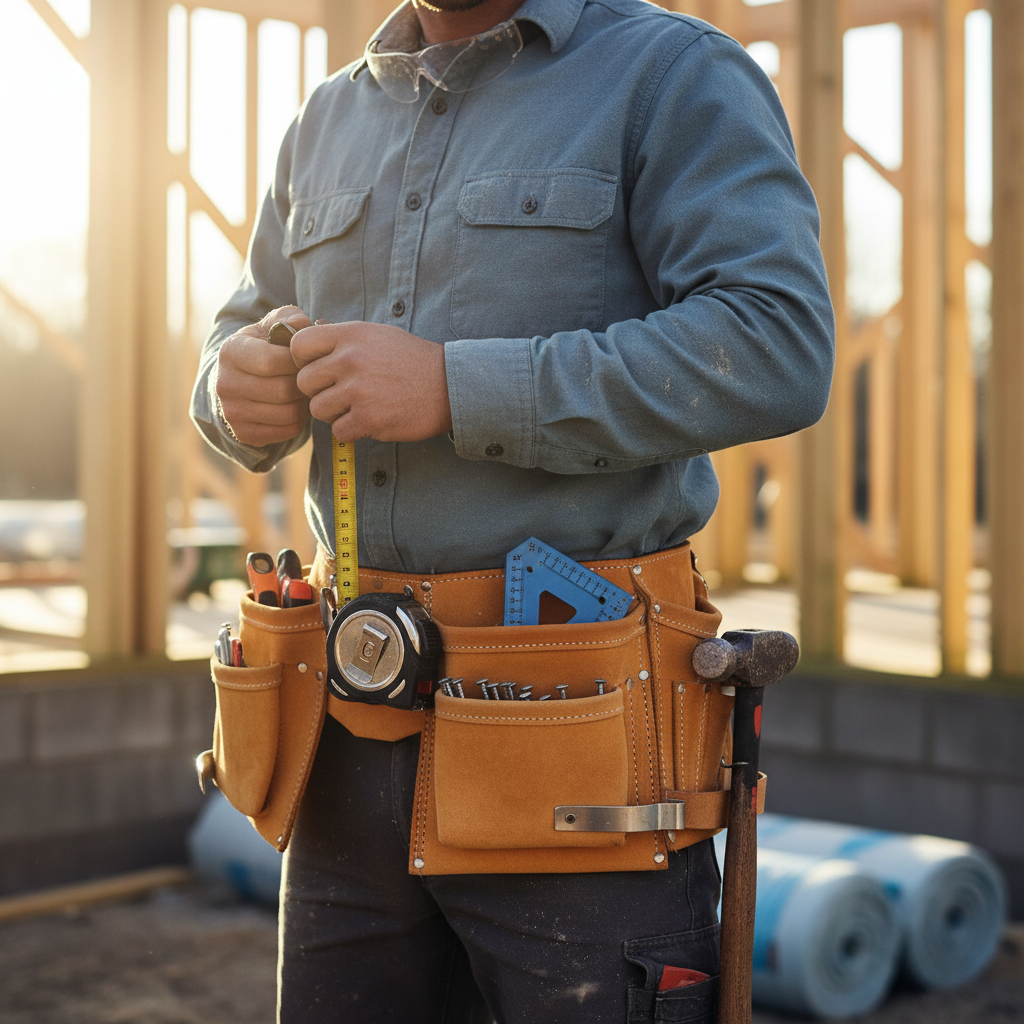
This guide focuses on what matters in real use, fit, ride height, pocket layout, materials, and the small adjustments that stop hot spots. You’ll also get a quick self-check list, a comparison table, and a few buying red flags that save money.
What “adjustable” should actually mean for carpenters
“Adjustable” gets used loosely. For carpentry work, it should mean you can fine-tune where the weight sits, not just tighten a strap.
- Position adjustment: the pouch can slide on the belt and lock in place so it doesn’t migrate.
- Ride-height adjustment: you can raise or lower how the pouch hangs, useful when switching between standing framing and finish work.
- Capacity control: the pouch stays stable whether it’s half full or loaded, usually via structured walls, compression, or pocket design.
- Fit range: it works with common belt widths and can accommodate seasonal layers without feeling like a different system.
Many carpenters end up buying “adjustable” gear that adjusts once at home, then loosens on site. A better sign is hardware and stitching that looks like it expects vibration, dust, and daily torque.
Why tool pouches feel wrong: common causes in the field
Most comfort complaints come from three places: weight distribution, friction points, and movement. Fixing those often requires small layout changes, not a brand-new rig.
- Too much weight on one side: tape, fasteners, and drill bits add up, your hip pays the price.
- Pouch swings when walking: usually a belt fit issue, or the pouch attachment lacks a firm anchor.
- Pockets collapse: you fish for screws with one hand, the pouch folds, and you start over.
- Bad ride height: too low hits the leg, too high blocks your hand path when you reach for a square.
- Sharp edges and seams: stiff binding at the rim can rub through a shirt fast, especially in heat.
According to OSHA, employers must provide a workplace free from recognized hazards, and good housekeeping plus smart material handling reduce trips and strains. A stable pouch won’t replace safe practices, but it can reduce the “one-handed juggling” that leads to sloppy footing.
If you feel lower-back fatigue, numbness, or recurring hip pain, it can be a signal to rethink load and fit, and in persistent cases it’s sensible to check with a healthcare professional.
Quick self-check: which adjustable pouch setup fits your work?
Before you shop, get clear on what you actually carry and when. This takes two minutes and prevents overbuying.
- Daily carry list: tape measure, pencils, knife, square, nail sets, bits, fasteners, chalk line, small pry bar.
- Task split: framing, trim, cabinets, punch list, deck work, each wants a different pocket rhythm.
- Handedness: right-handed often prefer fasteners front-left, marking tools front-right, but it’s personal.
- Environment: indoor finish work favors compact and quiet, exterior work favors rugged and higher capacity.
- Comfort flags: bruised hip bone, belt creep, thigh bumping, or constant re-tightening.
If your “daily carry list” is short and you still feel sore, the issue is usually placement and ride height. If your list is long, consider spreading the load across two smaller pouches or adding suspenders rather than forcing one oversized bag to behave.
Material and build choices that matter more than marketing
Carpentry is hard on gear, so material selection is less about looks and more about how the pouch behaves when it’s dusty, sweaty, wet, or full of fasteners.
Leather vs. synthetic vs. hybrid
- Leather: holds shape well and can feel “quiet” on trim work, but it can get heavy and needs care if soaked.
- Synthetic (nylon/poly): lighter and dries faster, often great for mobility, but quality varies a lot by weave and stitching.
- Hybrid: structured panels plus lighter fabric can balance shape and weight.
Hardware and stitching
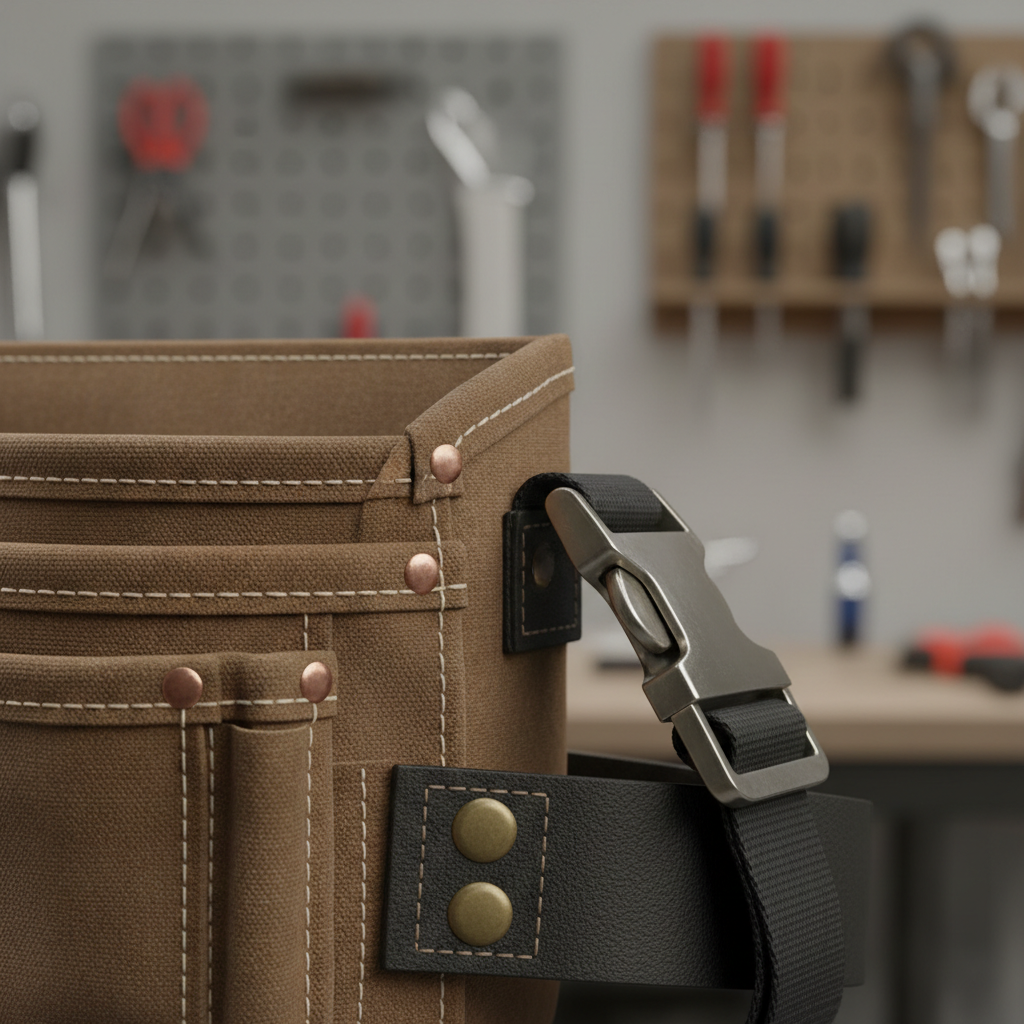
- Attachment points: look for reinforced loops or clip systems that won’t flex open under load.
- Stitch density: even stitching along stress lines matters more than decorative seams.
- Rivets: useful at high-stress corners, but poor placement can create sharp pressure points.
A tool belt pouch adjustable setup is only as good as its anchors. If the pouch drifts or tilts when you jog across the slab, the “adjustable” feature becomes a daily annoyance.
Feature comparison table: pick the right pouch without overthinking it
Use this as a practical filter. You can still choose based on brand preference, but these traits decide whether it feels right on your body.
| Work Style | Best Pouch Size | Adjustment Priority | Material Lean | Notes |
|---|---|---|---|---|
| Framing / rough carpentry | Medium to large | Stability + slide lock | Hybrid or rugged synthetic | Fasteners add weight fast, watch belt creep |
| Finish / trim | Small to medium | Ride height + low profile | Leather or structured hybrid | Quiet, compact layout helps in tight rooms |
| Cabinets / install | Small | Placement + pocket access | Light synthetic | You’ll kneel and reach, avoid thigh-banging setups |
| Punch list / service work | Small modular | Quick on/off | Synthetic | Consider clip-on pouch, keep essentials only |
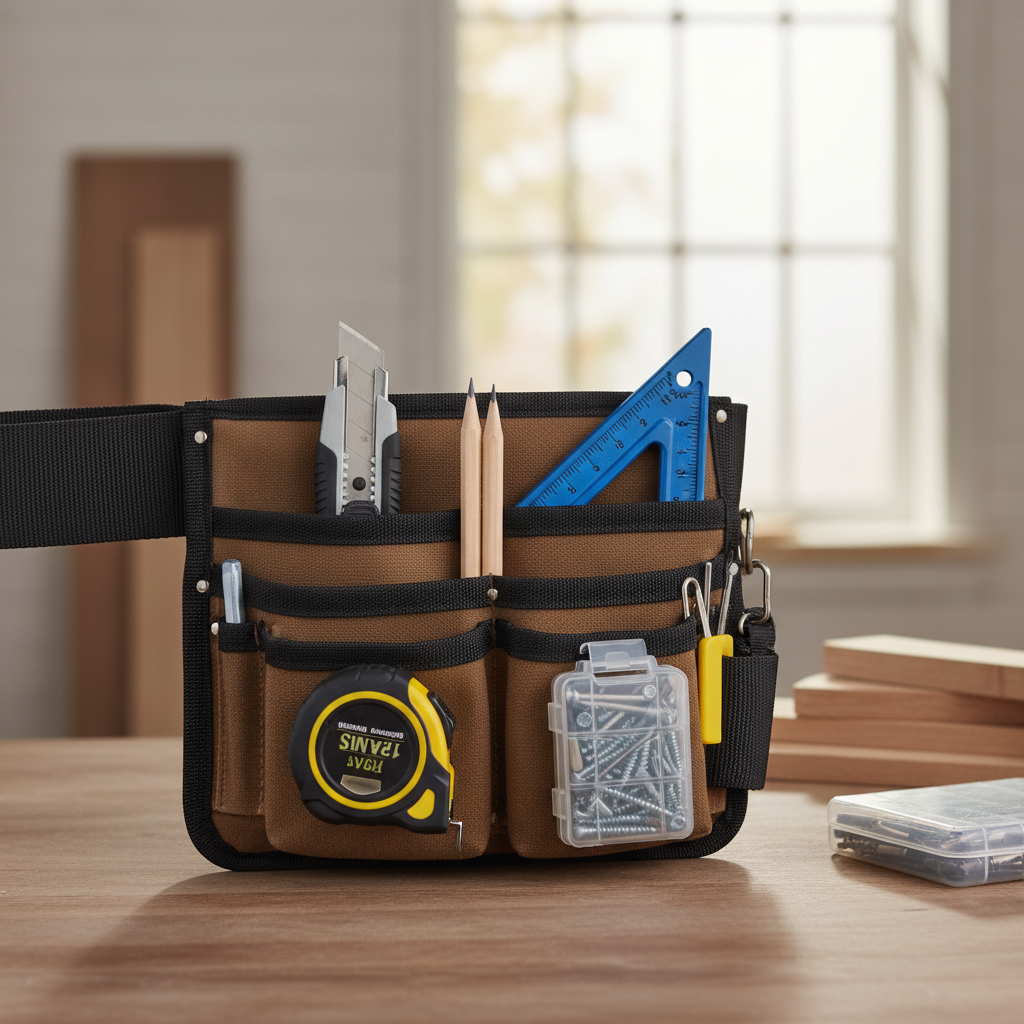
One more reality check, if you hate bulky rigs, don’t buy “just in case” capacity. Most people work better with fewer, predictable pockets than with a deep pouch that turns into a mixed bin.
How to set up and adjust your pouch so it stops sliding and bouncing
This is the part many people skip, they mount the pouch, load it, and call it done. A few deliberate tweaks make a bigger difference than swapping brands.
Step-by-step setup
- Start empty: attach the pouch where you think it belongs, then walk, kneel, and climb one flight of stairs.
- Set ride height: aim for “hand falls into pocket” access without bending the wrist, too low adds swing.
- Lock the position: if your system allows a keeper, stop, or friction pad, use it, migration is a comfort killer.
- Load by weight: put heavier items closer to your centerline, fasteners and tape are usually the culprits.
- Re-check after 20 minutes: belts settle as you move, make one small adjustment, not five.
Key takeaways (keep this simple)
- Stable beats tight: cranking the belt can create pressure points without fixing bounce.
- Balance beats capacity: if one side is heavy, add a second pouch or redistribute tools.
- Consistency beats novelty: you want muscle memory, not a new pocket map every week.
If you’re using suspenders, adjust them to support weight, not to pull the belt up into your ribs. The goal is shared load, not a different kind of discomfort.
Common mistakes that make an adjustable pouch worse
These show up a lot, especially when someone buys a new system and tries to force old habits onto it.
- Overloading “because it fits”: extra boxes of fasteners feel convenient until your belt twists.
- Placing the pouch on the hip bone: it seems natural, but many bodies feel better slightly forward or slightly back.
- Ignoring belt width compatibility: a loose fit on the belt loop makes any tool belt pouch adjustable feature feel pointless.
- Using the wrong pocket for sharp tools: blades and punches can wear through fabric and create safety issues.
According to NIOSH, reducing ergonomic risk often involves controlling loads and avoiding awkward postures. If your pouch forces repeated twisting or deep reaching, consider changing pocket roles or moving it a couple inches, it sounds minor, but it’s often the fix.
When to consider a different setup or get professional input
Sometimes the pouch is fine and the system around it is the problem. Switch tactics if these keep happening even after adjustment.
- Persistent numbness or pain: don’t shrug it off, if symptoms repeat, a clinician or physical therapist can help evaluate posture and load.
- Heavy daily load: if you carry lots of fasteners and hand tools, suspenders or a vest-style system may fit better.
- Frequent ladder work: consider slimmer pouches and higher ride to reduce snag risk, and follow jobsite safety rules.
- Specialty tasks: finish carpentry sometimes benefits from modular pouches you swap by task.
A tool belt pouch adjustable model is a strong base, but it can’t solve every scenario, especially if the belt itself sags, the pants waist slips, or the load is simply too heavy for a single waist system.
Conclusion: a better fit makes you faster and less frustrated
A good adjustable pouch feels boring in the best way, you stop thinking about it, your tools land in the same place every time, and you move without the belt steering your hips.
If you want one action to take today, empty your pouch and rebuild the load by weight and frequency, then set ride height and lock placement before adding anything “extra.” That quick reset usually tells you whether you need a new pouch or just a smarter setup.
FAQ
What does tool belt pouch adjustable mean in practical use?
In practical use it should mean you can change pouch position and ride height, and it stays put under load, not just “it has a strap you can tighten.”
How do I stop my pouch from sliding around on the belt?
Check belt width match first, then add keepers or friction stops if your system supports them. Also reduce side-heavy loading, tilt often comes from weight imbalance.
Is leather always better for carpenters?
Leather holds shape well and many people like it for finish work, but it can be heavier and needs more care if wet. A quality synthetic or hybrid can perform just as well depending on your tasks.
Where should I place my pouch if it hits my thigh when I walk?
That’s often a ride-height issue or the pouch sits too far forward. Try raising it slightly and shifting it a few inches toward your back pocket area, then test stairs and kneeling.
Should I use one big pouch or two smaller ones?
Two smaller pouches often feel more balanced if you carry fasteners, tape, and multiple hand tools. One big pouch can work for lighter loads, but it’s easier to overload.
How tight should my belt be with an adjustable pouch?
Tight enough that it doesn’t creep when you walk, but not so tight it creates pressure points. If you must over-tighten to get stability, the belt or attachment method may be the real issue.
Can an adjustable pouch help with back strain?
It can help by improving load distribution and reducing awkward reaching, but back strain has many causes. If pain persists or worsens, it’s wise to consult a healthcare professional.
If you’re trying to dial in a setup for framing, trim, or install work and want a tool belt pouch adjustable option that matches your carry list and body comfort, it may help to compare a few layouts side by side and prioritize stability over extra pockets.