
How to remove a stripped bolt with extractor is usually the fastest path when the bolt head is rounded, the threads feel frozen, and you’re one slip away from making the problem worse. The goal is simple, bite into what’s left, turn it out, and do it without snapping the bolt or damaging the part around it.
If you’ve never used an extractor, the tricky part is not the concept, it’s the setup: choosing the right extractor type, drilling straight, and knowing when to stop adding torque. A lot of “extractor failures” come down to a wrong pilot hole or rushing the drilling step.
This guide breaks it into a repeatable process, includes a quick decision checklist, and calls out the mistakes that tend to turn a 10‑minute job into a weekend project. I’ll also mention a few alternatives when an extractor isn’t the best move.
Why bolts strip (and why extractors sometimes fail)
Stripped bolts are rarely just “bad luck.” They usually come from one of these real-world situations.
- Over-torque from an impact wrench or “one more pull” with a long breaker bar.
- Corrosion and thread-lock that glue threads to the hole, common on exhaust, suspension, outdoor equipment.
- Wrong tool engagement, like a 12-point socket on a tired bolt head, or a worn bit in a socket-head cap screw.
- Heat cycles that expand/contract and effectively lock the threads over time.
Extractors fail most often when the pilot hole is off-center, too shallow, or the extractor is too small. Another common failure: using an impact tool on an extractor. Most extractors are hard and brittle, they don’t like shock loads.
According to OSHA, eye protection is recommended when drilling, grinding, or working with pressurized/impact operations because chips and fragments can become hazards. That matters here because extractors can fracture if abused.
Quick self-check: should you use an extractor here?
Before drilling, do a fast read on the situation. It saves time and broken tools.
Good candidate for an extractor
- Bolt head is rounded or the internal hex/Torx is stripped, but the bolt shank is intact.
- You have room to drill straight and keep the bit centered.
- The part can tolerate some heat or penetrating oil without damage.
Consider a different approach first
- The bolt is tiny (common with M4–M6) and snapping risk is high.
- The bolt sits in soft material (aluminum), where wandering drill bits can oval the hole.
- You can grab the head with locking pliers or hammer on an extractor socket.
- The bolt is already broken below the surface, you may need a left-hand drill bit or machine shop help.
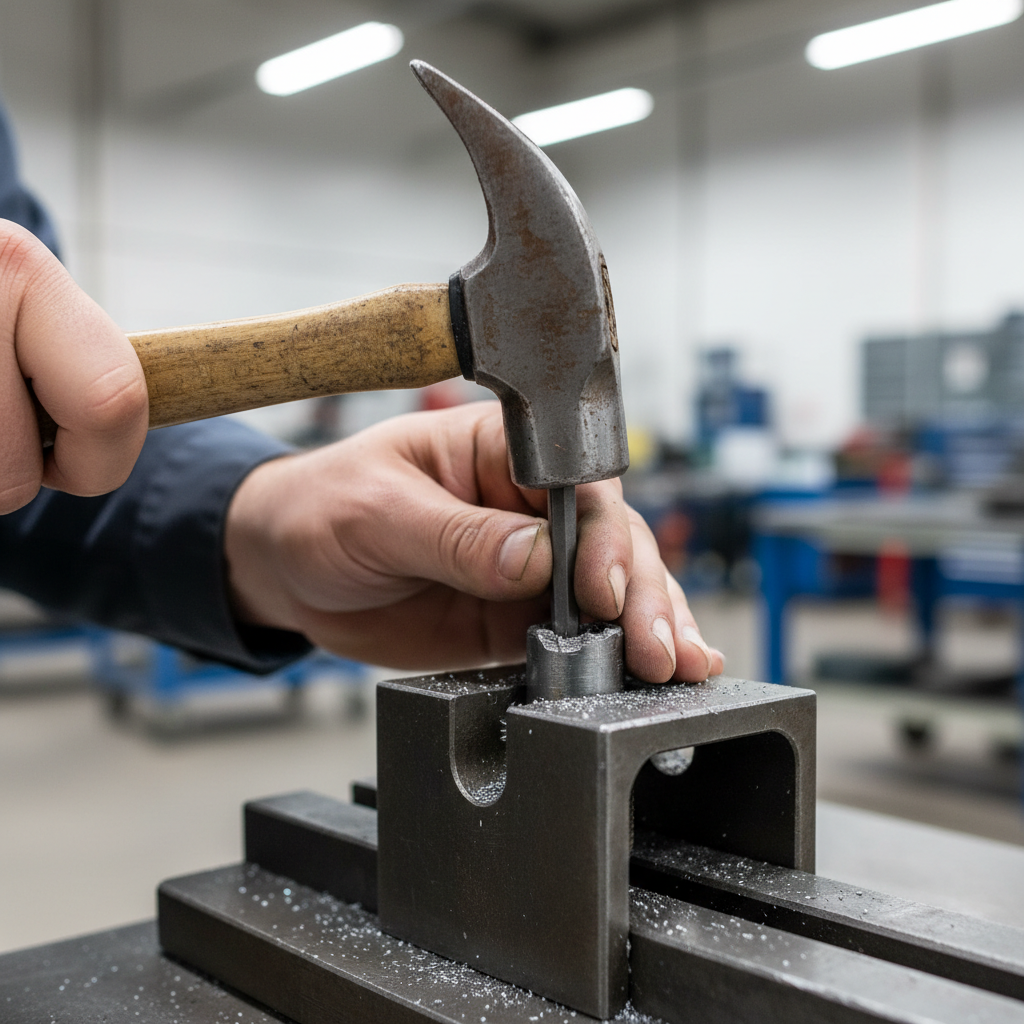
If you’re on the fence, try the least destructive method first (extractor socket or locking pliers). If that fails, move to drilling and an extractor.
Extractor types and how to choose the right one
Not all extractors behave the same. The “right” pick depends on access, bolt size, and how seized things feel.
| Tool | Best for | Watch out for |
|---|---|---|
| Spiral fluted screw extractor (easy-out style) | General use on drilled holes, decent grip | Can expand the bolt as it bites, may increase binding |
| Straight fluted extractor | Stubborn bolts, less wedge effect | Needs a good, accurate hole and solid tapping in |
| Extractor socket (twist socket) | Rounded external hex heads you can still reach | Needs head height; can crack thin heads |
| Left-hand drill bit | Lightly seized bolts; sometimes backs out while drilling | Requires correct drill direction and steady control |
Key point: match the extractor to the pilot hole size from the manufacturer chart. Guessing usually ends with either no bite or a snapped extractor.
Tools and prep that make removal noticeably easier
You can remove a stripped bolt with minimal gear, but a few items change the odds in your favor.
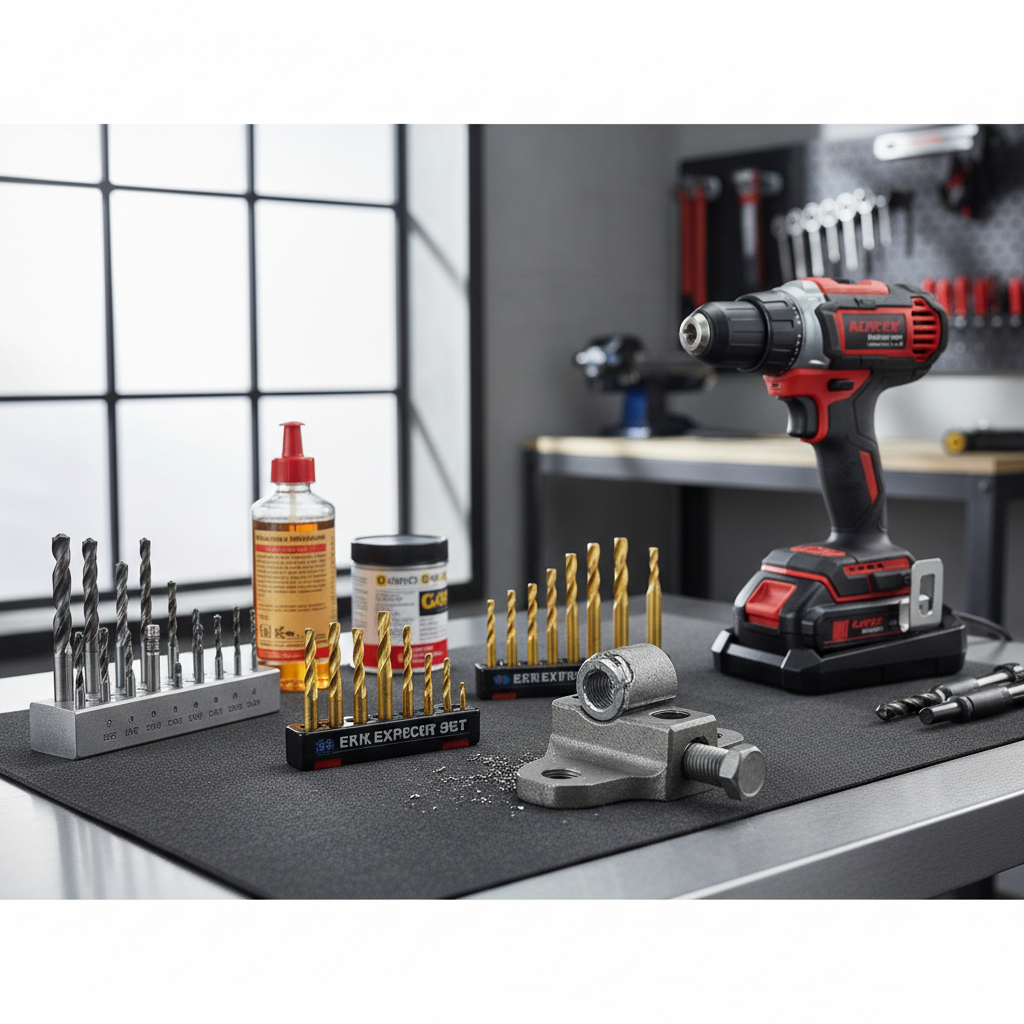
- Center punch to keep the pilot hole on target.
- Sharp drill bits (cobalt or quality HSS). Dull bits wander and work-harden some metals.
- Cutting oil for drilling; it keeps heat down and improves hole quality.
- Penetrating oil (used patiently, not as a miracle fix).
- Heat source (propane/MAPP torch) when the surrounding material allows it.
- T-handle tap wrench or a small breaker bar for steady torque on the extractor.
Prep that often helps: soak with penetrating oil, wait, then try again. For badly seized fasteners, a heat-and-cool cycle can break corrosion bonds. Keep heat away from fuel lines, seals, wiring, painted surfaces, and anything flammable, when unsure, it’s safer to skip heat and use more controlled methods.
Step-by-step: how to remove a stripped bolt with extractor
This is the workflow that tends to work across automotive, home repair, and equipment jobs. Move slowly; the “fast” version is usually the one that snaps something.
1) Stabilize the work and protect the area
- Clamp the part if possible, or support it so drilling doesn’t chatter.
- Cover nearby openings so metal chips don’t fall into bearings, ports, or threads.
- Wear eye protection and consider gloves for chip handling.
2) Mark the center and drill a pilot hole
- Use a center punch dead-center on the bolt head or broken stud.
- Start with a small bit, drill slow, keep the drill square to the surface.
- Use cutting oil, clear chips frequently, don’t force the bit.
If you can, consider a left-hand drill bit for the pilot. Many times the bolt loosens and backs out before you even insert an extractor, which is a win because it avoids the extractor’s brittleness.
3) Drill to the specified size and depth
- Enlarge the pilot hole to the extractor’s recommended diameter.
- Depth should be enough for full engagement, but not so deep you hit the base material behind the bolt.
4) Seat the extractor correctly
- Tap the extractor in gently if the design requires it, straight and centered.
- Use a tap wrench or a socket adapter that keeps torque aligned.
5) Apply steady torque, not shock
- Turn slowly and keep pressure in line with the bolt axis.
- If it doesn’t move, stop and add heat/penetrant rather than doubling force.
- Once it breaks free, keep turning smoothly until it’s out.
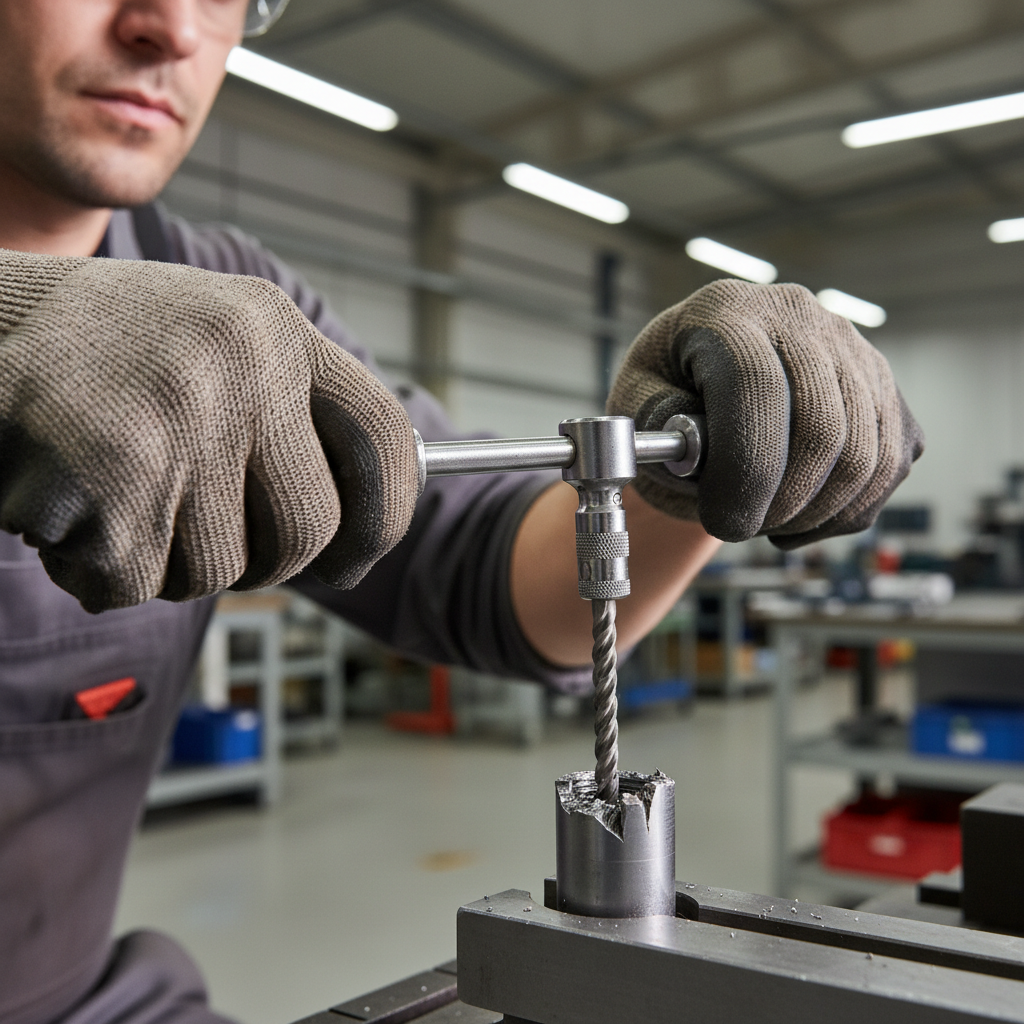
When to stop: if the extractor starts to twist noticeably or you hear “pingy” metal sounds, back off. A broken extractor is hardened steel, drilling it out can become the hardest part of the entire job.
If the extractor slips or breaks: practical plan B options
Sometimes you do everything right and the bolt still wins, usually because corrosion is extreme or access prevents clean drilling. Here are controlled next steps.
- Re-drill and upsize: go one size larger extractor if the bolt has enough material left.
- Use heat cycles: heat the surrounding material (not the extractor), then let it cool, re-try with penetrant.
- Weld a nut on: if you can access it, welding adds a new head and the heat often frees threads. If you’re not comfortable welding, a shop can usually do this quickly.
- Drill out and re-thread: drill to the tap size, re-tap threads, or install a thread insert. This is common on aluminum housings.
If an extractor breaks flush in the hole, removal often requires carbide tooling, EDM, or careful grinding, which is where many DIY attempts stall. At that point, calling a machine shop can be cheaper than sacrificing more bits and time.
Common mistakes (and how to avoid them)
- Using an impact wrench on the extractor: it’s tempting, but it can shatter the tool.
- Skipping the center punch: off-center holes reduce grip and damage surrounding threads.
- Drilling too fast: overheats bits and makes the hole messy, especially in harder bolts.
- Going too small on the pilot hole: the extractor can’t seat deeply enough to bite.
- Only adding more force: when it won’t budge, you usually need more prep, not more torque.
One more subtle one: mixing up “stripped head” versus “seized threads.” An extractor fixes grip on the head or shank, but if the threads are chemically bonded by corrosion, you still need penetrant, heat, or thread-relief tactics.
When it’s worth getting professional help
If you’re working on a safety-critical area like brakes, steering, suspension, or pressure-containing parts, it may be smarter to involve a professional technician, especially if drilling accuracy is limited by access. The cost of a tow or rework can outweigh the cost of help.
You should also consider a shop when the bolt is broken below flush in aluminum, when you suspect cross-threading, or when a broken extractor is already in the hole. Those situations often need specialized tools and experience to avoid permanent damage.
Key takeaways and a clean finish
Removing a stripped bolt is mostly about discipline: drill centered, use the right extractor size, and apply controlled torque. If you take one action today, make it this, stop forcing it the moment the extractor feels unhappy, then switch to heat/penetrant or a different method before anything snaps.
If you want an easy next step, lay out your tools, confirm the pilot-hole size chart for your extractor, and do a quick test drill in scrap metal to get a feel for speed and pressure, that tiny warm-up often prevents the messy “first attempt” mistakes.
FAQ
What size drill bit should I use for a bolt extractor?
Use the drill size listed on the extractor’s packaging or chart. If you guess, you risk a hole that’s too small to seat or too big to bite, and either one makes removal harder.
Do I need a left-hand drill bit to remove a stripped bolt?
No, but it helps in many cases. A left-hand bit sometimes spins the fastener out during drilling, which avoids extractor stress, especially when the bolt isn’t fully seized.
Can I use penetrating oil right before extracting?
You can, but it works better with time. Many situations improve with a soak, then a second application, then a removal attempt, rather than spraying and cranking immediately.
Why did my extractor snap?
Common causes include an undersized pilot hole, off-center drilling, too much torque, or using impact tools. Extractors are hard, so they grip well, but that hardness also makes them less forgiving.
Is heat always safe to use on stuck bolts?
Not always. Heat can damage seals, wiring, paint, and nearby components, and it can be risky around flammables. If you’re unsure about the surroundings, skip heat or ask a qualified professional.
What if the bolt head is rounded but the bolt isn’t seized?
Try an extractor socket or locking pliers first. If the threads are fine, you often don’t need to drill at all, you just need better grip.
After the bolt comes out, what should I do before installing a new one?
Clean the threads (tap or thread chaser when appropriate), remove chips, and confirm the replacement bolt grade and length. If threads look damaged, a thread insert may be the safer fix.
If you’re working through a stubborn fastener and want a more “set-and-go” approach, a quality extractor kit with clear drill charts, plus sharp bits and cutting oil, usually makes the whole process calmer and more predictable, especially if you expect this problem to pop up again on projects or vehicle maintenance.