
rake leaf garden metal tools earn their keep when cleanup feels endless, wet leaves clog everything, and a flimsy rake starts bending halfway through the yard.
If you want one rake that can handle fall leaf piles, spring thatch, and the random twigs that show up after storms, a metal garden leaf rake is usually the first upgrade that actually changes the work, not just the marketing label on the handle.
In this guide, I’ll help you figure out when a metal leaf rake makes sense, what specs matter in real yards, and how to use it without tearing up turf or burning out your shoulders.
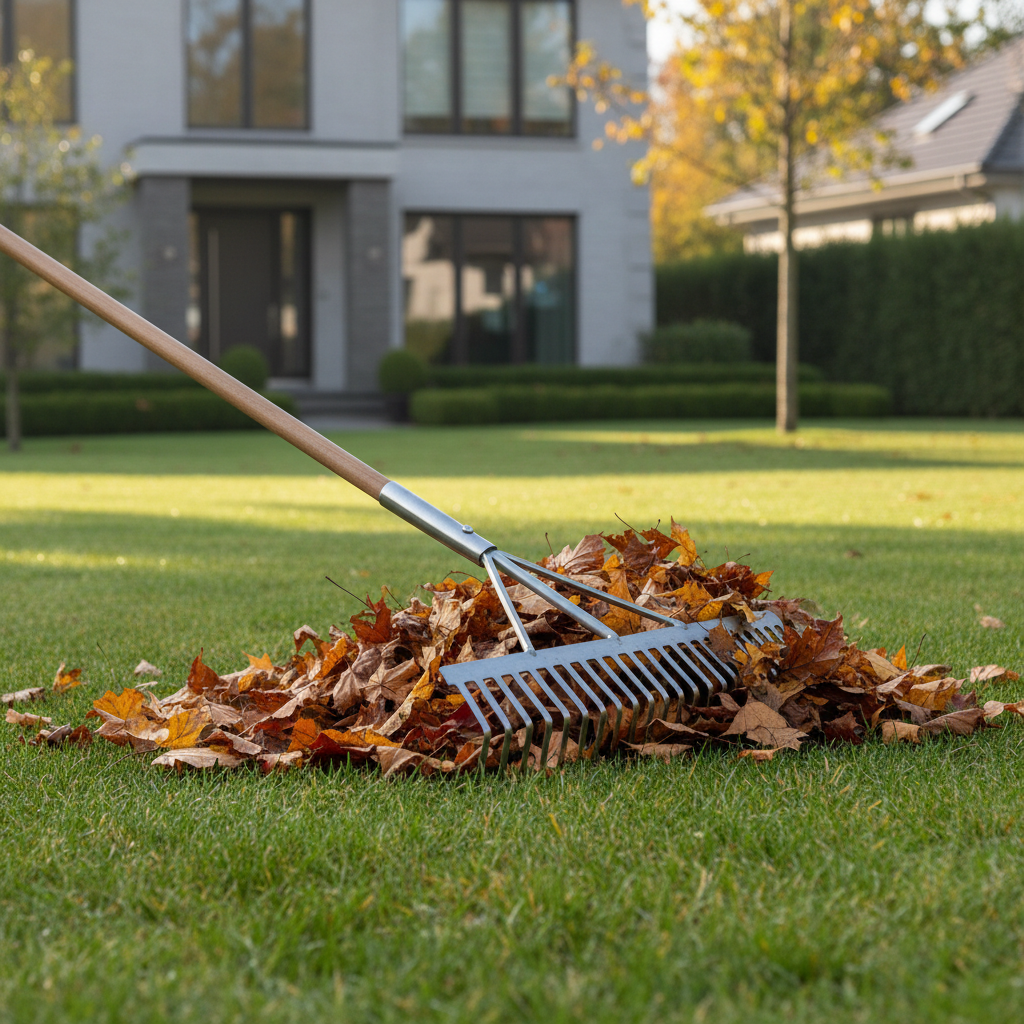
Why a metal garden leaf rake often feels different in use
The difference isn’t just “metal vs plastic.” It’s how the tool behaves when the yard fights back.
- Stiffer tines push through damp layers, so you spend less time skimming the top while the heavy stuff stays put.
- Better feedback in your hands, you can feel when you’re catching thatch versus scraping soil.
- Less tine splay when you pull a full load, which helps with cleaner windrows and fewer “leaf confetti” leftovers.
- Longer service life for many households, especially if the rake gets tossed in a shed, leaned against a fence, or used for more than leaves.
That said, metal isn’t automatically “better” for every surface. Delicate beds, freshly seeded areas, and very soft turf can benefit from a gentler, more flexible rake head.
Quick self-check: are you the right buyer for a metal leaf rake?
If you’re on the fence, these questions usually make the decision obvious.
- Do you deal with wet leaves or heavy tree cover (oak, maple, sweetgum) that mats down fast?
- Do you rake twigs, acorns, seed pods, or small pine cones along with leaves?
- Have you had plastic tines snap, or a rake head warp after one season?
- Do you want one “main” rake for lawn and light bed cleanup, not a pile of specialty tools?
If you answered yes to two or more, a rake leaf garden metal setup is usually a practical move, especially if your cleanup time matters more than shaving a few dollars off the purchase.
What to look for when choosing a metal garden leaf rake
Shopping gets confusing because listings mix up leaf rakes, garden rakes, and thatch rakes. Here’s what tends to matter in real use.
Head width and tine shape
- Wider heads move more leaves per pass, but they feel clumsy in tight corners and around shrubs.
- Narrower heads offer control for beds, fence lines, and around downspouts.
- Look for tines that have a little spring, not purely rigid spikes, unless you’re specifically targeting thatch.
Handle material and length
- A handle length that fits your height reduces back strain more than most people expect.
- Wood feels warmer and absorbs vibration; fiberglass can be durable; metal handles can feel cold and may transmit more shock.
Tine gauge and connection points
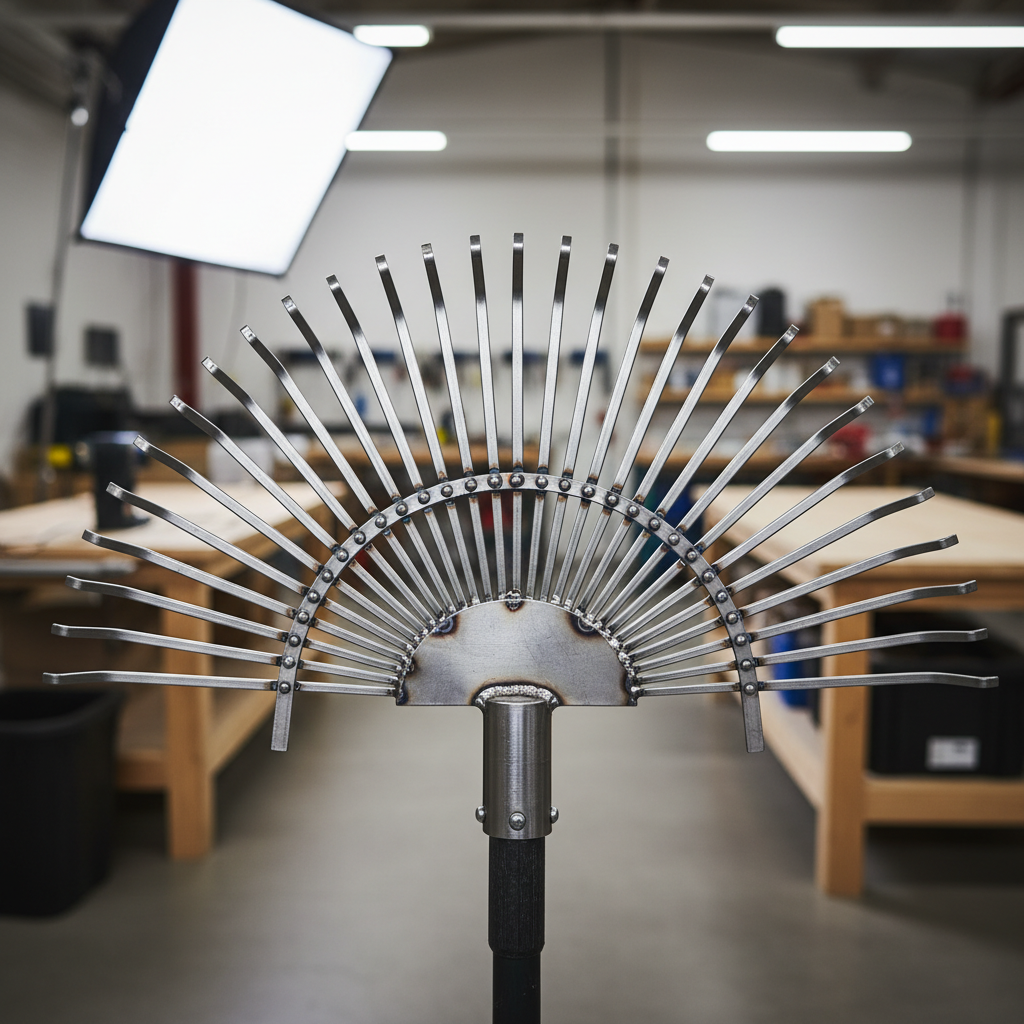
The most common failure point is where the head meets the handle. Favor reinforced collars, solid rivets/bolts, and a rake head that doesn’t wobble when you twist it lightly.
Metal leaf rake vs plastic leaf rake: a practical comparison
Here’s the quick side-by-side most homeowners actually need, without pretending there’s one perfect answer.
| Feature | Metal leaf rake | Plastic leaf rake |
|---|---|---|
| Wet leaves | Usually handles heavy, matted piles better | Often clogs or skims unless leaves are dry |
| Durability | Typically longer-lasting, fewer snapped tines | Can crack in cold or under heavy loads |
| Delicate turf/seed | Can be too aggressive if used with pressure | Often gentler for light surface passes |
| Weight & fatigue | May feel heavier, especially with a long handle | Often lighter for quick, casual cleanup |
| Multi-use | Better for mixed debris like twigs and acorns | Best for leaves and light litter |
How to use a metal garden leaf rake without wrecking your lawn
This is where people get frustrated: they buy a sturdier rake, then use it like a thatch rake and wonder why the grass looks stressed. Try this approach.
Step-by-step technique (simple, but easy to do wrong)
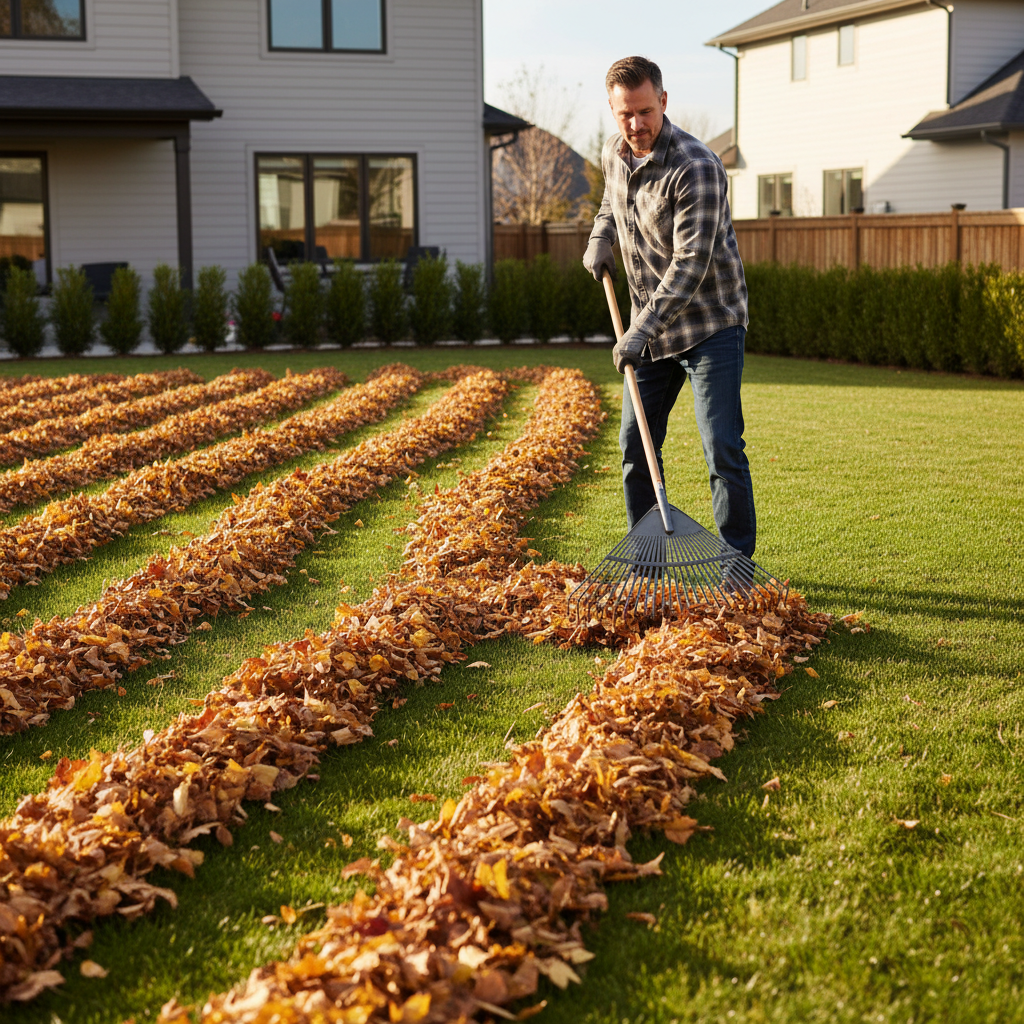
- Angle the rake head slightly so the tines glide, not dig. You want a “comb” motion, not a scrape.
- Pull smaller loads and build windrows. Big pulls feel efficient until they explode into a mess.
- Work with the grass grain when possible, especially on warm-season lawns that can snag.
- Use two passes: first to loosen and gather, second to clean edges and corners.
Where metal shines (and where to back off)
- Great for: driveway edges, curb lines, under dense trees, after storms, damp leaf mats.
- Go lighter on: newly seeded areas, thin turf, soft mulched beds where you don’t want to pull mulch out.
Maintenance and storage: keep it solid for more than one season
A metal rake is low-maintenance, but not “no maintenance.” A couple small habits help a lot.
- Knock off wet leaf residue, then let the head dry to reduce surface rust.
- If you see sap or sticky debris, wash and dry; buildup makes raking feel oddly “grabby.”
- Check bolts or rivets a few times per season, a tiny wobble turns into a bent collar later.
- Store hanging or with the head off the ground so the tines don’t take a permanent set.
According to the Occupational Safety and Health Administration (OSHA), using tools that are in good condition and appropriate for the task helps reduce avoidable injuries; for raking, that usually translates to stable heads, solid handles, and taking breaks when fatigue shows up.
Key takeaways and a realistic buying recommendation
If your yard sees heavy leaf drop or frequent damp cleanup, a rake leaf garden metal option is typically worth it for control and durability, even if it costs a bit more up front.
- Choose the head width based on your tight spaces, not just your lawn size.
- Prioritize the head-to-handle connection, that’s where cheap rakes fail.
- Use a glide-and-pull technique to protect turf and reduce fatigue.
If you want one action step, it’s this: pick a metal leaf rake that feels stable in your hands, then practice making windrows with smaller pulls for five minutes, you’ll immediately see whether it fits your yard.
FAQ
Is a metal leaf rake too harsh for grass?
It can be if you press down and scrape. Used with a lighter touch and a slight angle, many homeowners rake lawns with metal tines without obvious damage, but fragile or newly seeded areas deserve extra care.
What size metal rake head is best for yard cleanup?
For open lawns, a wider head saves time. For tighter landscaping and beds, a mid-size head usually feels more controlled. If you only own one, lean toward “manageable” over “max width.”
Can I use a metal garden leaf rake for pine needles?
Often yes, but needle cleanup depends on turf density and how the needles sit. Sometimes a more flexible fan rake or a specialized needle rake works faster, especially when needles are dry and fine.
What’s the difference between a leaf rake and a garden rake?
A leaf rake is usually fan-shaped with many tines for surface debris. A garden rake typically has short, rigid tines for leveling soil and moving heavier material; using that on a lawn can be rough.
Does a metal rake rust easily?
Some surface rust can happen, especially if stored wet. Drying it after use and keeping it off damp ground helps; light rust often stays cosmetic, but heavy corrosion can weaken tines over time.
How do I rake wet leaves without tearing up the lawn?
Go slower, take smaller bites, and avoid digging. If the ground is saturated, waiting a bit can reduce turf lifting and muddy clumps, and it’s usually easier on your back too.
Is a rake leaf garden metal tool worth it if I already use a blower?
In many yards, yes. Blowers struggle with wet piles and corner buildup, and a rake finishes the job near beds, fences, and under shrubs where airflow can’t do much.
If you’re trying to cut cleanup time without buying a bunch of tools, a well-built metal garden leaf rake is often the simplest upgrade, it pairs nicely with a blower, handles mixed debris, and stays useful beyond leaf season.