
Best drain auger for clogged drains searches usually come after the same frustrating moment: the plunger stops helping, water sits there, and you’re wondering if the next step is a $300 plumber visit or a tool you can actually use safely.
A drain auger (also called a drain snake) is often the “middle option” between chemicals and calling a pro, but picking the wrong style can waste time or even scratch porcelain, kink the cable, or push a clog deeper.
This guide focuses on how to choose the right auger for your fixture, what features matter in real use, and a few practical setups that tend to work well in U.S. homes in 2026.
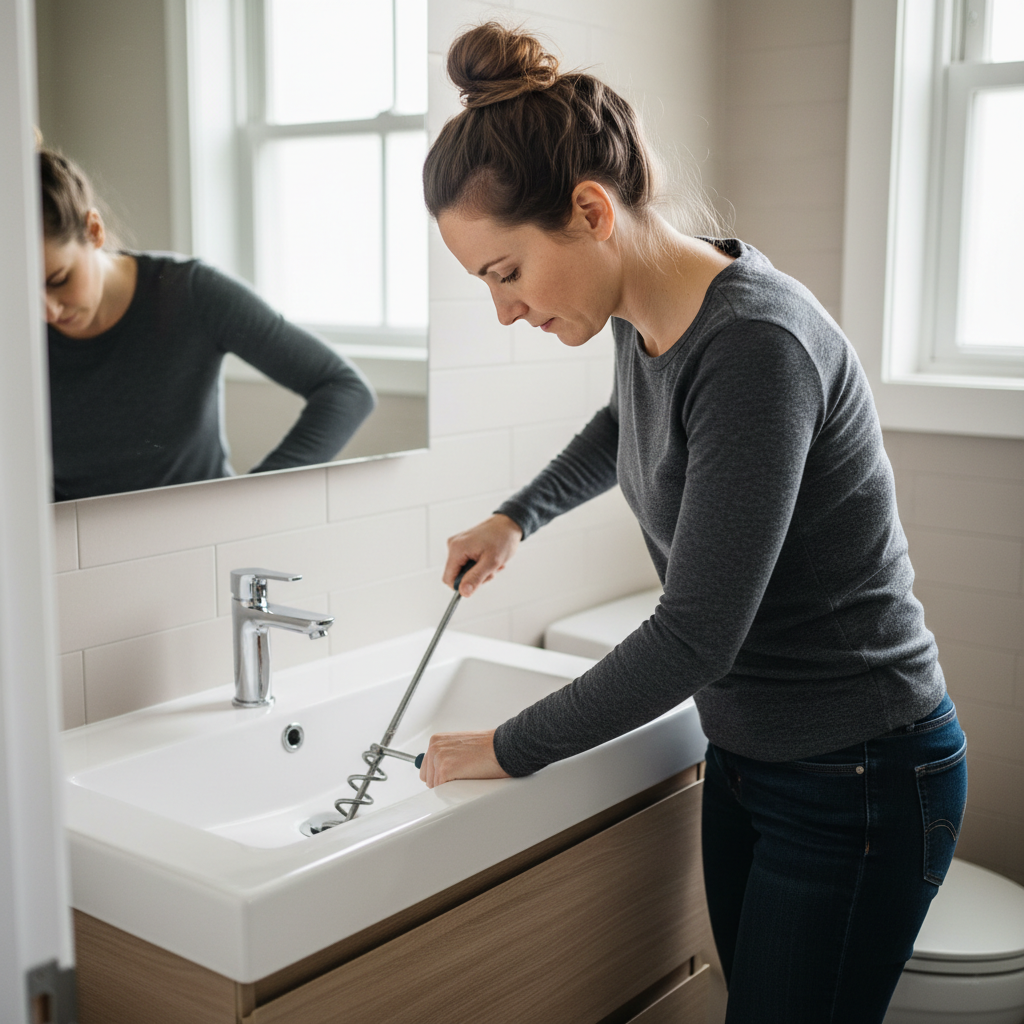
What a drain auger does (and why it often beats chemicals)
A drain auger is a flexible cable that mechanically breaks up or retrieves clogs. Instead of “dissolving” buildup, it either punches through, hooks, or scrapes gunk so water can move again.
According to the U.S. Environmental Protection Agency (EPA), household hazardous waste can include certain chemical drain cleaners, and safe handling/disposal matters. Practically, many homeowners also prefer augers because they avoid splash-back risks and reduce the chance of mixing chemicals in a trap.
- Works on physical obstructions: hair ropes, soap scum mats, small objects.
- Gives feedback: you can feel resistance and adjust, instead of guessing.
- Less gamble: chemicals may help slow drains, but tougher clogs often need mechanical clearing.
Quick decision chart: which auger fits your clogged drain?
Before you shop, match the auger to the fixture and the clog type. If you only remember one thing, remember this: buying “bigger” isn’t always better, because thick cables can be harder to guide through small traps.
| Where the clog is | Common clog | Auger type that usually fits | Typical cable length | Notes |
|---|---|---|---|---|
| Bathroom sink | Hair + toothpaste/soap sludge | Small hand-crank auger | 15–25 ft | Often easiest through the pop-up/overflow, not the stopper. |
| Tub/shower | Hair rope, soap scum | Hand-crank or drill-ready auger | 25 ft | A thin cable navigates bends better. |
| Kitchen sink | Grease + food buildup | Medium-duty drum auger | 25–50 ft | Grease clogs can smear; go slower, retrieve buildup. |
| Toilet | Paper jam, small item | Toilet auger (closet auger) | 3–6 ft | Has a protective sleeve to avoid scratching porcelain. |
| Main line / cleanout | Roots, heavy sludge, repeated backups | Power drum auger / sectional machine | 50–100+ ft | If backups repeat, camera inspection may be worth it. |
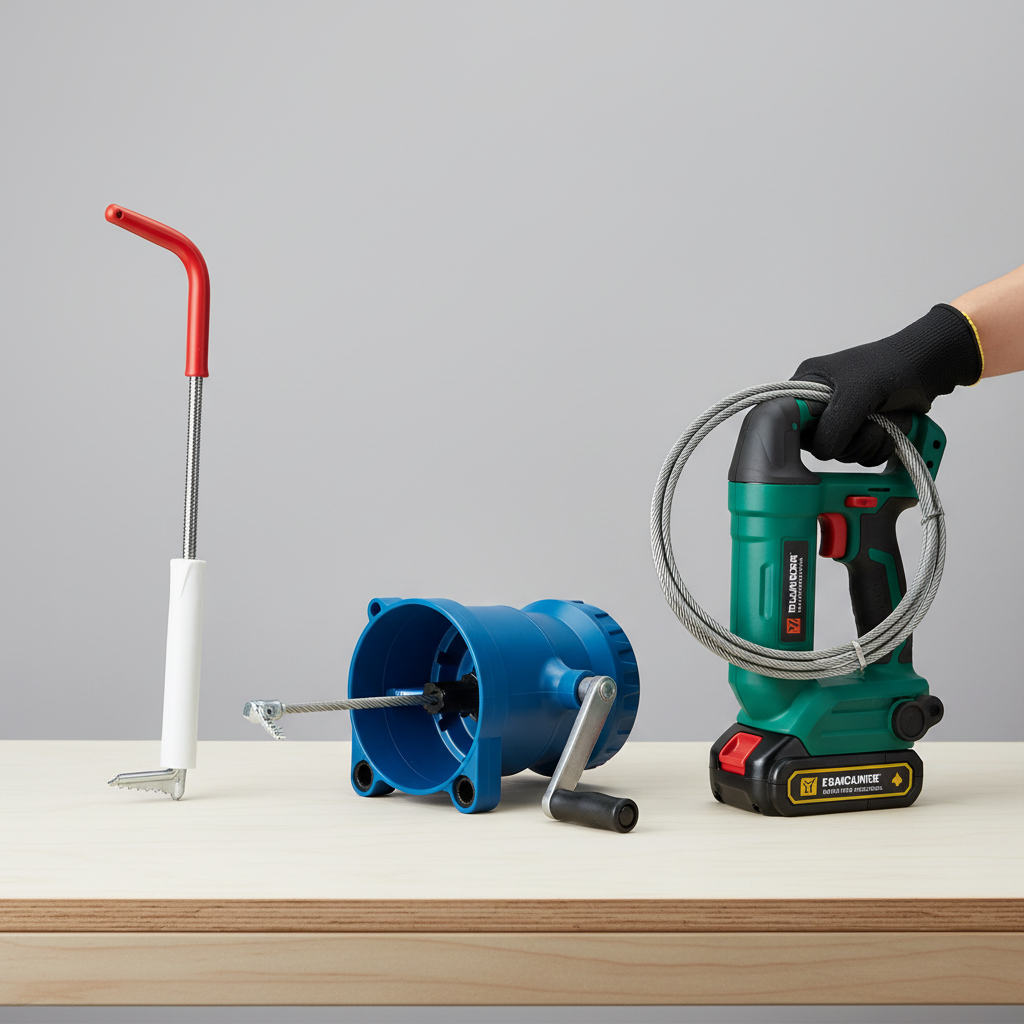
What to look for when choosing the best drain auger for clogged drains
The “best” tool is the one that matches your pipe path and your patience level. In a lot of homes, the limiting factor isn’t strength, it’s control: feeding smoothly, avoiding kinks, and not tearing up finishes.
Cable thickness and material
- Thinner cables (often around 1/4 in) tend to navigate sink and tub traps more easily.
- Thicker cables (often 3/8 in and up) usually hold up better for longer runs, but can fight tight bends.
- Look for a cable that resists kinking; if it kinks once, it often becomes “that spot” forever.
Drum design and cable control
- Closed drum: cleaner handling, less cable whipping, good for occasional users.
- Open drum: can be easier to clean, but messier and more exposed.
- A solid feed/lock mechanism matters more than flashy marketing; slipping feeds waste time.
Manual vs drill-powered
Drill-ready augers are convenient, but speed can damage pipes or knot the cable if you rush. If you go this route, variable speed and a light touch matter.
- Manual: slower, usually safer for beginners, more “feel.”
- Drill-powered: faster in long runs, but easier to overdo.
Heads and tips (boring but important)
For most household clogs, a basic bulb head or small corkscrew-style tip works. Aggressive cutting heads make more sense on main lines, and even then, the right approach depends on pipe condition.
Best-pick recommendations by scenario (2026-style buying guide)
Instead of listing random brand winners, here are realistic “buy profiles” that help you select the best drain auger for clogged drains based on where you’re stuck.
1) The “one-tool apartment kit” (sink + tub)
- Type: 25 ft hand-crank drum auger
- Cable: thinner, flexible
- Why it works: covers most hair/soap clogs without feeling like overkill
- Nice-to-have: built-in gloves grip or a comfortable crank handle
2) The “kitchen reality” pick (grease and food buildup)
- Type: 25–50 ft medium-duty drum auger
- Cable: slightly thicker for durability
- Why it works: handles longer runs and stickier clogs, especially past the trap
- Nice-to-have: quick-release or easy drum cleaning, because kitchen clogs get nasty
3) The “toilet-only” solution (don’t overcomplicate it)
- Type: closet auger, 3–6 ft
- Protective sleeve: non-negotiable, it helps prevent porcelain scratches
- Why it works: toilet traps are unique; a sink snake often performs poorly here
4) The “recurring backup” setup (main line suspicion)
- Type: powered drum auger or sectional machine, rated for longer distances
- Why it works: repeated backups often sit farther out than a 25 ft cable reaches
- Reality check: if you suspect roots or a damaged line, a camera inspection can save money long-term, and a plumber may be the safer call
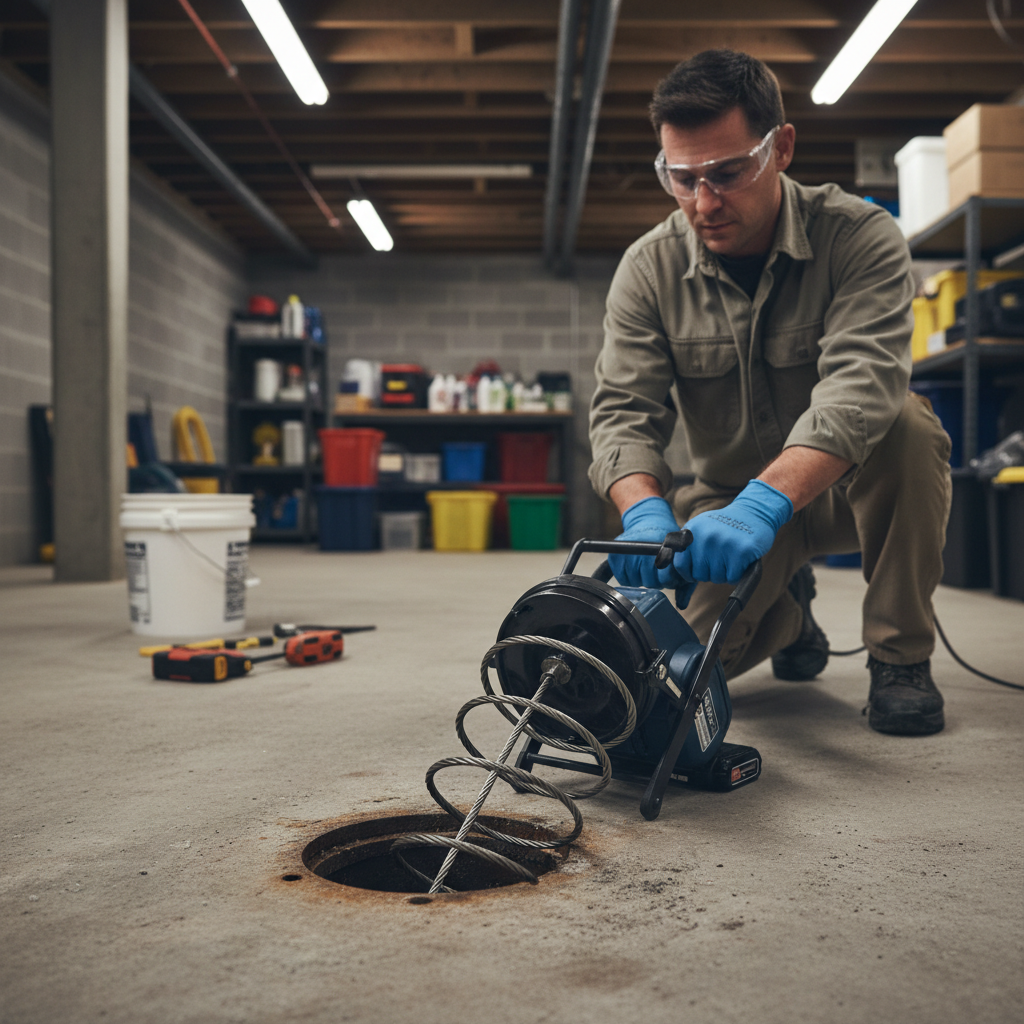
Self-check: are you dealing with a simple clog or something bigger?
This part saves time. If you’re clearing one slow drain, an auger is usually a reasonable next step. If multiple fixtures misbehave, your “clog” may be in a shared line.
- Only one fixture drains slowly: often a local clog in that trap or branch line.
- Two fixtures back up together (like tub and toilet): often a branch line clog downstream.
- Water backs up in the lowest drain (basement shower/floor drain): can point toward a main line issue.
- Gurgling sounds: sometimes clog-related, sometimes venting; don’t assume.
- Sewage odor + recurring backups: higher risk situation, consider professional help.
How to use a drain auger without making the mess worse
Using an auger is more about feel than force. If you crank like you’re starting a lawnmower, the cable can coil, kink, or punch through soft buildup and leave the real blockage behind.
Sink and tub steps (practical version)
- Protect the area: towel under the trap area, bucket ready, gloves on.
- Choose the entry: many sink clogs clear faster through the drain opening or overflow, but if it keeps snagging, going under the sink and removing the trap may be cleaner and more direct.
- Feed slowly: push cable until you feel resistance, then rotate while applying gentle forward pressure.
- Work the clog: small in-and-out motions help the tip bite, don’t just spin in place.
- Retrieve and wipe: pull back periodically, clean the cable, then re-feed if needed.
- Flush with hot water: once flow returns, run water to confirm the line stays open.
Toilet auger steps (so you don’t scratch the bowl)
- Seat the sleeve: keep the protective bend against the porcelain.
- Crank gently: you’re guiding through the trap, not drilling.
- Stop if it hard-blocks: a solid object may be lodged, forcing can crack porcelain; a professional might need to pull the toilet.
Key points people skip
- Avoid mixing with chemicals: if you already poured a cleaner, assume splash risk and take extra care; in some cases waiting and flushing thoroughly first is safer.
- Don’t max out the cable: if you’re at full length and still stuck, you may be short of the clog location.
Mistakes that make clogged drains harder (and how to avoid them)
A lot of auger “fails” come from using the wrong tool or rushing the last 10%. That’s when the cable kinks, or you poke a narrow hole through gunk and it reclogs next week.
- Using a sink snake on a toilet: it can scrape, and it often can’t navigate the trap well.
- Going too fast with a drill: speed creates tangles and can damage older piping.
- Assuming every clog is hair: kitchen lines often need scraping and retrieval, not just punching through.
- Skipping the trap check: in many sink clogs, the trap holds the worst of it; removing and cleaning it can be faster than snaking blind.
- Not cleaning the cable after: leftover grime promotes rust and stiffness, shortening tool life.
When it’s smarter to call a professional
An auger is a solid DIY tool, but some situations justify a plumber, especially when water damage risk climbs. If you’re unsure, a quick call for advice can be worth it.
- Multiple drains backing up or water coming up from a floor drain
- Repeated clogs in the same line within weeks
- Suspected roots or a collapsed/offset pipe (older homes see this more often)
- You can’t find a cleanout and the clog seems beyond the fixture branch
- Any sign of sewage in living spaces, health risk is real, consider professional assessment
According to the Occupational Safety and Health Administration (OSHA), appropriate personal protective equipment helps reduce exposure risks on dirty jobs; for sewage-related backups, professionals typically follow stricter safety procedures than most DIY setups.
Conclusion: picking the right auger is 80% of the win
If you’re shopping for the best drain auger for clogged drains, start with the fixture, then buy the cable length and thickness that match the run you’re actually clearing. For most homes, a 25 ft drum auger plus a separate toilet auger covers the majority of problems without turning your garage into a tool aisle.
Action step: identify whether the clog is local or shared, then choose the auger style from the chart above and plan a slow, controlled clearing session, you’ll usually learn in 10 minutes whether you’re making progress or you’re out of DIY depth.